Mushroom Sleep Gummies: Ingredients, Uses, and Safety Considerations
By Space Coast Daily // September 13, 2026
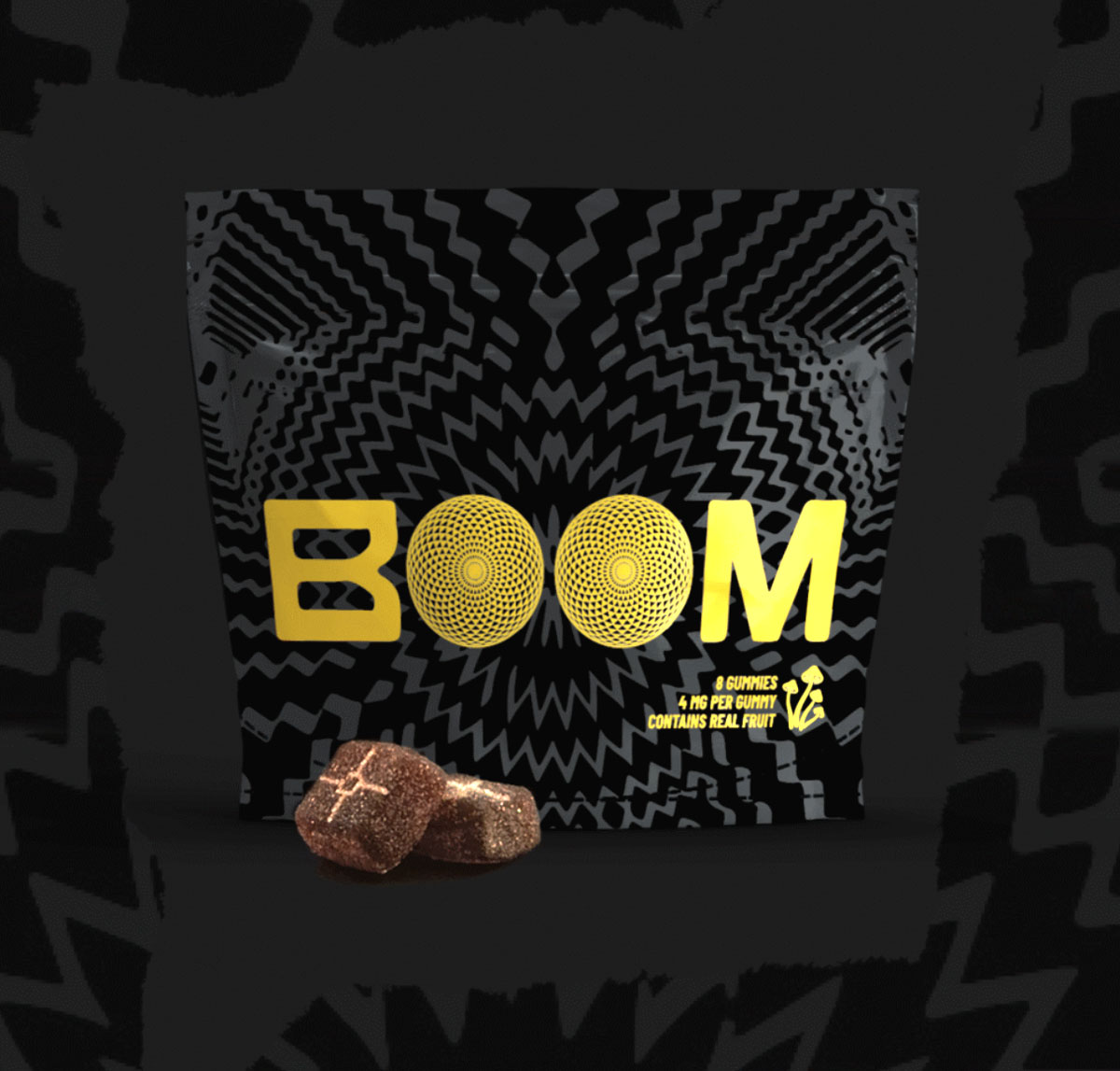
Sleep has become an important focus of the wellness industry. Many products now combine familiar ingredients with convenient formats such as gummies. Mushroom-based sleep products are part of this growing category.
Mushroom sleep gummies may contain functional mushroom extracts, herbal ingredients, minerals, or other compounds associated with relaxation and nighttime routines. Their exact formulas can differ significantly from one product to another.
The word “mushroom” also requires some context. Functional mushrooms such as reishi and lion’s mane are different from psychoactive mushroom species. Their compounds, uses, and safety considerations are not the same.
Understanding the ingredients and claims behind these products can help consumers interpret labels more carefully. It is also important to recognize that a gummy marketed for sleep is not automatically a proven treatment for insomnia or other sleep disorders.
What Are Mushroom Sleep Gummies?
Mushroom sleep gummies are edible gummy products formulated around mushroom-derived ingredients and, in many cases, additional ingredients associated with nighttime wellness.
The mushroom component may be provided as a powder, extract, or blend. Other ingredients can include sweeteners, flavors, gelling agents, herbs, minerals, or vitamins.
Some formulas focus primarily on functional mushrooms. Others combine mushrooms with familiar sleep-related ingredients.
Because there is no single standardized recipe, the name alone does not tell you exactly what a product contains.
Why Mushrooms Appear in Sleep Formulas
Certain functional mushrooms have attracted research interest because of their naturally occurring compounds.
Reishi is frequently discussed in connection with relaxation and traditional wellness practices. Research has examined several of its compounds, although evidence for specific sleep benefits in humans remains limited.
Lion’s mane is more commonly studied for neurological and cognitive topics. It is sometimes included in nighttime formulas, but this does not establish it as a sleep treatment.
The scientific evidence varies by mushroom, extract, and health outcome. A study involving one mushroom should not automatically be used to support claims about another.
Common Ingredients Found in Sleep Gummies
Mushroom-based sleep formulas can contain several types of ingredients.
Mushroom Extracts
Extracts may be produced from mushrooms such as reishi or lion’s mane. Extraction can concentrate certain naturally occurring compounds.
However, an extract is not necessarily equivalent to whole mushroom powder. The extraction method and resulting composition can differ.
Herbal Ingredients
Some nighttime gummies contain herbs traditionally associated with relaxation. Examples can include chamomile, lemon balm, or valerian.
The presence of an herb does not automatically mean that a product will improve sleep. Evidence varies between ingredients and preparations.
Melatonin
Some sleep gummies contain melatonin, a hormone involved in regulating the body’s sleep-wake cycle.
Melatonin is different from a mushroom ingredient. Products containing it should therefore be evaluated separately from mushroom-based claims.
Magnesium and Other Nutrients
Magnesium is another ingredient sometimes included in nighttime formulas. It plays several roles in normal bodily functions.
Other vitamins and minerals may also appear depending on the formulation.
Functional Mushrooms and Psychoactive Mushrooms Are Not the Same
This distinction is essential.
Functional mushrooms such as reishi, lion’s mane, cordyceps, and chaga are generally used in foods and wellness products. They are not typically associated with psychedelic effects.
Psychoactive mushrooms contain compounds that can alter perception, cognition, mood, or sensory experiences.
A product marketed for nighttime use should not automatically be assumed to contain functional mushrooms. Checking the actual ingredient list is important.
Products containing psychoactive compounds also raise different legal and safety considerations.
What Does the Evidence Say About Sleep?
Evidence for mushroom-related sleep benefits is still developing.
Some research has explored reishi and other mushroom compounds in relation to stress, relaxation, inflammation, and general physiological processes. However, evidence from laboratory or animal studies cannot automatically establish a benefit in humans.
Human clinical research is more useful for determining whether a particular ingredient produces a meaningful sleep-related outcome.
Another challenge is product formulation. Research may examine a specific extract at a particular concentration, while a commercial gummy could use a different preparation.
This means that claims about mushroom-based sleep products should be interpreted cautiously.
Sleep Support Is Not the Same as Treating Insomnia
Marketing terms can sometimes blur an important distinction.
A product described as supporting relaxation or a nighttime routine is not necessarily a treatment for insomnia.
Persistent sleep problems can have many causes. Stress, irregular schedules, environmental factors, medications, medical conditions, and mental health concerns can all affect sleep.
A gummy cannot be assumed to address the underlying cause.
Anyone experiencing ongoing or severe sleep difficulties may benefit from discussing the problem with a qualified healthcare professional.
How the Gummy Format Affects the Product
The gummy itself requires several ingredients to create its texture.
Gelling agents such as gelatin or pectin help produce the chewy structure. Sweeteners provide flavor, while fruit flavors can mask earthy mushroom notes.
Acids may be added to create a tart flavor. Other ingredients can help maintain texture and shelf stability.
These ingredients do not necessarily contribute to the intended sleep-related effect. They are primarily part of the food formulation.
This is why reading the full ingredient list is more useful than focusing only on the mushroom name.
Reading the Label Carefully
A good starting point is the ingredient panel.
Identify the mushroom species first. Then check whether the product uses a powder, extract, or blend.
Look for other active ingredients such as melatonin, herbs, minerals, or botanical compounds.
Serving information is also important. A package may contain multiple gummies while defining a serving as one or several pieces.
Allergen information should not be overlooked. Depending on the formulation, gummies may contain gelatin, dairy, nuts, soy, or other ingredients that can matter to some consumers.
What About Mushroom Brands and Product Names?
Brand names can make products easier to identify, but they do not establish what a formulation contains.
For example, Boom mushroom bars may be referenced in discussions about mushroom-based edible products. A brand or product name, however, should not be used as a substitute for checking the actual ingredient information.
Product formulas can change over time, and different products from the same brand may contain different ingredients.
The current label and product documentation are therefore more useful than relying on a general description.
Safety Considerations for Nighttime Gummies
Safety depends on the ingredients rather than the gummy format alone.
Some people may have allergies or sensitivities to mushrooms or other ingredients. Herbal compounds and supplements can also interact with medications.
Products containing melatonin may require additional consideration because melatonin can affect sleep timing and may not be appropriate for everyone.
Psychoactive mushroom products involve separate concerns, including changes in perception, coordination, mood, and judgment.
People who take medications, have existing health concerns, are pregnant or breastfeeding, or are considering a product for a child should seek appropriate professional guidance rather than assuming that a mushroom-based gummy is suitable.
Avoid Confusing Relaxation With Sedation
Sleep-related marketing can use words such as calm, relaxation, rest, and nighttime support.
These terms do not necessarily mean that an ingredient causes sedation.
Relaxation and sleep are related but different experiences. Someone can feel relaxed without falling asleep, while sleepiness can result from many different factors.
This distinction is useful when evaluating claims about mushroom-based products.
Storage and Product Stability
Gummies can be affected by heat, humidity, and exposure to air.
Poor storage conditions may change their texture, appearance, or overall stability. Following the storage instructions provided with a product can help maintain its intended condition.
Temperature can also matter during manufacturing because some ingredients may be sensitive to excessive heat.
These considerations apply to gummies generally, including those containing mushroom extracts.
Questions to Ask Before Evaluating a Product
A few simple questions can help make the label easier to understand:
• Which mushroom species are included?
• Is the mushroom ingredient a powder or extract?
• Are the quantities clearly stated?
• Does the formula contain melatonin or herbs?
• What is the stated serving size?
• Are there potential allergens?
• Does the product contain psychoactive compounds?
• What evidence supports its specific sleep claims?
• Are there relevant legal or safety considerations?
These questions encourage a more evidence-based approach to product evaluation.
The Difference Between Traditional Use and Scientific Evidence
Mushrooms have long histories of traditional use in different cultures. This history can provide valuable background, but it does not automatically establish a medical benefit.
Scientific evidence depends on factors such as study quality, sample size, consistency of findings, and the specific preparation tested.
A traditional claim may therefore be worth researching without being treated as a proven clinical outcome.
This distinction is particularly important when products are marketed around sleep, stress, or other health-related goals.
Final Thoughts
Mushroom sleep gummies combine mushroom-derived ingredients with a convenient edible format. Their formulas can include functional mushroom extracts, herbs, minerals, melatonin, and other ingredients.
The evidence behind sleep-related claims varies considerably. Some mushrooms have interesting research histories, but more high-quality human research is needed to determine the effects of specific formulations.
The most useful approach is to look beyond the product name. Identify the mushroom species, examine the ingredient form, check additional active ingredients, and review the available evidence.
It is also important to separate functional mushrooms from psychoactive mushroom products because their effects, risks, and legal considerations can differ substantially.
Ultimately, mushroom gummies may be part of a broader discussion about nighttime wellness, but they should not automatically be viewed as a treatment for sleep disorders.
FAQs
What are mushroom sleep gummies?
They are gummy products containing mushroom-derived ingredients, often combined with other nighttime wellness ingredients.
Which mushrooms are commonly used?
Reishi and lion’s mane are among the functional mushrooms commonly found in mushroom-based products.
Do mushroom gummies contain melatonin?
Some do, but others contain no melatonin. The ingredient list should be checked.
Can mushroom gummies treat insomnia?
There is not enough evidence to consider mushroom gummies a proven treatment for insomnia.
Are functional mushrooms psychoactive?
Common functional mushrooms such as reishi and lion’s mane are not generally considered psychoactive.
Why are extracts used in gummies?
Extracts can provide a concentrated form of certain mushroom compounds.
Can sleep gummies contain allergens?
Yes. Depending on the formula, they may contain gelatin, dairy, nuts, soy, or other allergens.
Is relaxation the same as better sleep?
No. Feeling relaxed does not necessarily mean that a product improves sleep quality.
Are mushroom sleep gummies safe for everyone?
No. Safety depends on the ingredients and individual circumstances.
Should ongoing sleep problems be evaluated?
Yes. Persistent sleep difficulties can have underlying causes that require professional evaluation.