What’s Up: March 2026 Skywatching Tips from NASA
By Space Coast Daily // March 6, 2026
Whats Up for March?
ABOVE VIDEO: What are some skywatching highlights in March 2026? A total lunar eclipse blood moon takes centre stage, Venus and Saturn cozy up for a conjunction, and we celebrate the vernal equinox.

BREVARD COUNTY, FLORIDA – Skywatchers will have several celestial events to enjoy in March, including a rare total lunar eclipse, a close pairing of Venus and Saturn, and the arrival of the spring equinox, according to NASA’s monthly “What’s Up” skywatching guide.
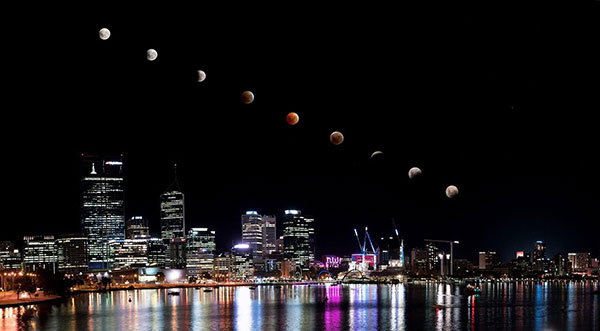
The biggest sky event of the month is a total lunar eclipse, when the Moon passes through Earth’s shadow and takes on a reddish glow often called a “blood moon.” The eclipse occurs in the early morning hours of March 3 and will be visible anywhere the Moon is above the horizon at the time, including much of the Americas.
During a total lunar eclipse, sunlight passing through Earth’s atmosphere filters out blue wavelengths and allows red light to reach the Moon, giving it the distinctive crimson color. Unlike solar eclipses, lunar eclipses are safe to view with the naked eye and require no special equipment.
Venus and Saturn Appear Side-by-Side
Later in the month, skywatchers can look for a planetary conjunction between Venus and Saturn on March 8. From Earth’s perspective, the two planets will appear unusually close together in the sky, creating a bright visual pairing shortly before sunrise.
Although the planets appear near each other, they remain millions of miles apart in space. Conjunctions like this occur periodically as planets move along their orbits around the Sun.
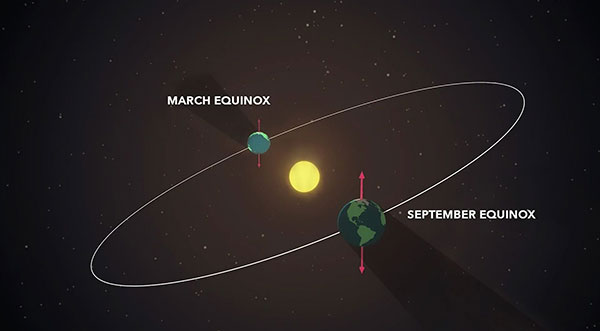
Spring Begins with the March Equinox
March also marks the vernal (spring) equinox on March 20, when day and night are nearly equal in length across the globe. The equinox occurs when Earth’s axis is tilted neither toward nor away from the Sun, signaling the astronomical start of spring in the Northern Hemisphere and autumn in the Southern Hemisphere.
A Month for Stargazing
NASA notes that March offers excellent opportunities for stargazing as winter constellations begin to give way to spring skies. With a mix of eclipse viewing, planetary alignments, and seasonal change, the month provides plenty of reasons for both experienced astronomers and casual observers to step outside and look up.
NASA’s monthly “What’s Up” series provides a short guide each month highlighting the most notable events visible in the night sky and offering tips to help observers spot them.