
Body Armor for Civilians: What Florida Residents Should Know Before Buying
By Space Coast Daily // March 13, 2026
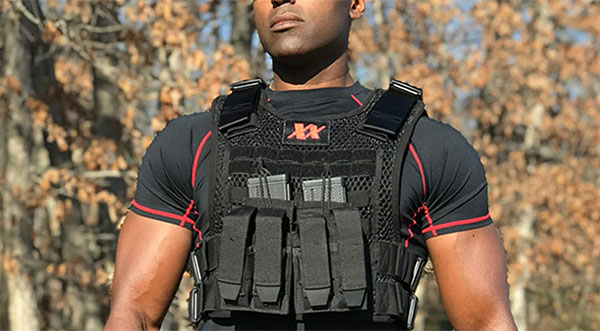
Personal safety has become a real concern for many people across Florida, including here on the Space Coast. From law enforcement and security professionals to everyday residents, more people are asking whether body armor is worth considering.
The good news: in Florida, civilians can legally own and wear body armor. But not all vests are created equal. This guide breaks down what to know before you buy.
Is Body Armor Legal for Civilians in Florida?
Yes. Florida law allows law-abiding civilians to purchase and own body armor. The only federal restriction applies to convicted felons, who are prohibited from owning body armor under federal law.
You do not need a permit to buy or wear a bulletproof vest in Florida. However, wearing body armor while committing a crime carries enhanced penalties.
Understanding Body Armor Protection Levels
NIJ Rating System
The National Institute of Justice (NIJ) sets the standard for body armor in the U.S. Each protection level is rated against specific threats:
- Level IIA: Lightweight, stops lower-velocity 9mm and .40 S&W
- Level II: Stops higher-velocity 9mm and .357 Magnum
- Level IIIA: Stops most handgun rounds including .44 Magnum and 12-gauge slugs
- Level III / IV: Hard plates rated for rifle threats
For most civilians, Level IIIA soft armor offers the best balance of protection, comfort, and concealability.
Soft vs. Hard Body Armor: Which Is Right for You?
Soft armor is flexible, lightweight, and can be worn discreetly under clothing. It is ideal for daily wear.
Hard armor uses rigid plates made from ceramic or polyethylene. It stops rifle rounds but is heavier and bulkier, making it impractical for most civilian use cases.
Comparing Popular Protection Levels
Use this table to compare the key features across the most common soft armor protection levels:
| Feature | Level IIIA | Level IIIA+ | FRAS |
| Bullet Resistant | Yes | Yes | Yes |
| Slash/Strike | Yes | Yes | Yes |
| Spike/Stab | No | Yes (NIJ L1) | No |
| Rifle Rated | No | ICW only | Yes (.223, 5.56) |
| Concealable | Yes | Yes | Partial |
| Weight | Lightest | Light | Moderate |
What to Look for When Choosing a Vest
Coverage Area
Standard vests protect the front and rear torso. Look for vests with full side protection, which can add meaningful coverage in real-world threats.
Multi-Threat Ratings
Bullets are not the only threat. A quality vest should also guard against slashing, strikes, and stab attacks. Not all vests offer this level of protection by default.
Comfort and Wearability
If a vest is uncomfortable, it will not be worn consistently. Look for breathable mesh materials, adjustable straps, and lightweight panel construction.
Warranty and Incident Coverage
Reputable manufacturers stand behind their products. Some offer replacement guarantees if a vest stops a round in the field, provided a police report is submitted.
A Trusted Name in Civilian and Professional Body Armor
One brand earning recognition from both law enforcement and private citizens is Safe Life Defense, which produces NIJ-certified vests with multi-threat ratings covering bullets, strikes, slashes, and stabs.
Their IIIA+ Enhanced Multi-Threat Vest is the only soft armor to achieve NIJ Level 1 spike protection alongside ballistic resistance. Vests come with a 5-year warranty and an incident replacement guarantee.
All armor is manufactured in the USA, which matters for quality consistency and compliance with federal procurement standards.
What Experts Say
Law Enforcement Perspective
Training experts in the personal protection space consistently recommend that civilians who choose to own body armor also invest time in understanding situational awareness and de-escalation. Armor is a last resort, not a substitute for good judgment.
According to the NIJ’s published guidance on body armor selection, “the best armor is the armor that gets worn.” Comfort and fit are rated as primary factors in long-term compliance.
Florida-Specific Considerations
Florida’s heat and humidity can make armor uncomfortable if not properly ventilated. Look for moisture-wicking carriers and breathable mesh panels designed for warm-weather use.
Residents in Brevard County and across the Space Coast who work in security, transport, or high-risk professions have legal access to the same armor options used by many law enforcement personnel.
For more on public safety topics and local crime news, visit the Brevard Crime News section on Space Coast Daily.
Frequently Asked Questions
Can a Florida civilian carry body armor in public?
Yes. Florida law does not restrict civilians from wearing body armor in public. Only convicted felons are prohibited under federal law.
What is the best body armor level for everyday civilian use?
Level IIIA is widely considered the best option for civilian use. It stops common handgun rounds while remaining concealable and lightweight enough for daily wear.
How long does body armor last?
Most manufacturers recommend replacing soft armor every 5 years. Exposure to moisture, UV light, and physical stress can degrade ballistic panels over time.
Does body armor protect against knives?
Standard soft armor rated only for ballistic threats does not reliably stop stab attacks. You need a vest with an additional spike or stab rating, such as a IIIA+ multi-threat vest.
Is body armor expensive?
Entry-level soft armor vests typically start around $400 to $700. Higher-rated multi-threat options range from $700 to over $1,000. Cost should be weighed against the level of protection offered.
Bottom Line
Body armor is a legitimate personal safety tool for Florida civilians. The key is choosing the right level of protection for your situation, ensuring a proper fit, and buying from a brand with a proven track record.
Whether you are in law enforcement, security, or simply a private citizen concerned about personal safety, understanding your options is the first step to making an informed decision.
Related Reading on Space Coast Daily:















