
What Is the Sleep Paralysis Demon?
By Space Coast Daily // April 27, 2026
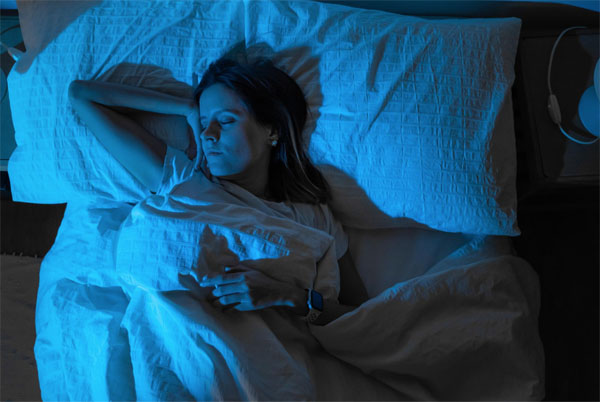
Sleep paralysis with hypnagogic hallucinations, commonly called “sleep paralysis demons”, describes a phenomenon where people become temporarily unable to move or speak during sleep-wake transitions, frequently accompanied by vivid and terrifying hallucinations.
Research across 35 studies found that approximately 8% of the general population experiences at least one episode during their lifetime, with rates jumping to 28% among students and 32% among psychiatric patients. Hallucinations occur in 75% of episodes.
Despite feeling supernatural, these experiences stem from explainable disruptions in sleep cycles and sometimes indicate underlying sleep disorders that respond well to treatment.
What Exactly Are Sleep Paralysis Demons?
Sleep paralysis demons are vivid hallucinations that occur during episodes of sleep paralysis. It’s a state in which your brain wakes up before your body does, leaving you temporarily unable to move or speak. These hallucinations come from your brain’s confused attempt to interpret being conscious during partial dreaming, not from supernatural entities.
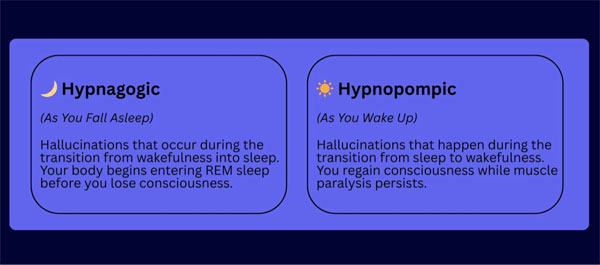
Two Types of Hallucinations
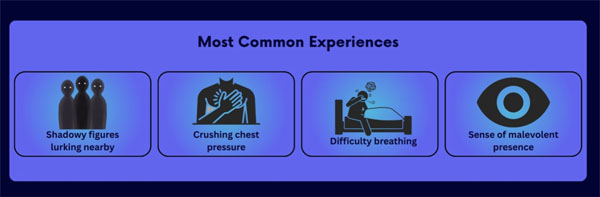
Sleep paralysis itself describes the temporary inability to move during transitions between sleep and wakefulness. The hallucinations come in two forms: hypnagogic (occurring as you fall asleep) and hypnopompic (happening as you wake up). Most people report strikingly similar sensations: shadowy figures lurking nearby, crushing pressure on the chest, difficulty breathing, and an overwhelming sense of a malevolent presence in the room.
Why They Feel So Real
The experiences feel intensely real because they’re happening as you’re genuinely awake and aware. Your eyes are open. You can see your actual bedroom. But layered on top of reality are these dream-like visions your brain is generating. Some people see faceless entities, others describe old hags with claws, alien-like beings, or even deceased relatives. The common thread isn’t the specific appearance but the terror these visions provoke, and your complete inability to move or call for help during these experiences.
Why Does Your Brain Create These Terrifying Visions?
The answer lies in REM sleep, the stage where most dreaming occurs. During REM, your brain naturally paralyzes your muscles to prevent you from acting out dreams—a protective response called muscle atonia. Sleep paralysis happens when you become conscious before this paralysis wears off, creating a jarring disconnect between your aware mind and immobilized body.
The Brain’s Fear Response Takes Over
Your amygdala(the brain’s fear center) remains highly activated during REM sleep, which is why dreams can be so emotionally intense. Meanwhile, your pre-frontal cortex, the logic center that normally helps you assess threats rationally, stays dormant. You’re experiencing fear without the ability to reason through it.
Why Hallucinations Take Humanoid Forms
Your brain struggles with proprioception during these episodes—the sense of where your body parts are in space. This confusion may explain why hallucinations so frequently take humanoid forms, with your brain projecting a distorted image of its stored body schema onto the environment. Combine this with the shallow breathing patterns characteristic of REM sleep and any actual airway resistance, and your brain interprets the whole experience as a physical threat pressing on your chest. Episodes usually last from several seconds to a few minutes, though some can persist for up to 20 minutes.
For people with undiagnosed obstructive sleep apnea, airway obstruction during sleep can intensify both the breathing difficulties and chest pressure sensations during episodes. Exploring sleep apnea treatment without CPAP options may help reduce these breathing-related triggers. Episodes usually last from several seconds to a few minutes, though some can persist for up to 20 minutes.
Can Sleep Disorders Make Sleep Paralysis Worse?
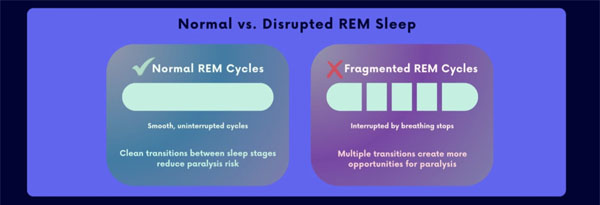
Yes, certain sleep disorders can dramatically increase both the frequency and intensity of sleep paralysis episodes. Obstructive sleep apnea (OSA), narcolepsy, and insomnia all disrupt normal sleep architecture, fragmenting REM cycles and creating more opportunities for these frightening wake-sleep collisions.
How Sleep Apnea Triggers Episodes
The connection with sleep apnea is particularly strong. OSA causes repeated breathing interruptions throughout the night, triggering frequent micro-awakenings from REM sleep. Each interruption represents a potential moment when you might become conscious as muscle atonia persists.
Research shows a clear correlation between fragmented REM sleep and recurrent sleep paralysis. The more your sleep cycles get chopped up by breathing interruptions, the more transitions you experience where paralysis can linger into wakefulness. Narcolepsy represents the strongest predictor of frequent episodes, but OSA affects far more people and frequently goes undiagnosed.
Treatment Can Eliminate Episodes
If you’re experiencing sleep paralysis multiple times per month, consulting a sleep specialist becomes important. The good news is that treating the underlying disorder frequently resolves the sleep paralysis entirely. For those with OSA-related sleep disturbances, exploring sleep apnea treatment options may help reduce both apnea events and associated sleep paralysis episodes. Addressing the root cause of disrupted sleep can eliminate these terrifying nighttime encounters.
What Triggers Sleep Paralysis Episodes?
Beyond diagnosed sleep disorders, several lifestyle and environmental factors can increase your vulnerability to sleep paralysis, with sleep deprivation topping the list. When you’re exhausted, your brain struggles to maintain clean boundaries between sleep stages, making these confusing transitions more likely.
Sleep Schedule Disruptions
Irregular sleep schedules—common among shift workers, frequent travelers, and college students—disrupt your natural circadian rhythms. Your brain gets confused about when it should be cycling through sleep stages, increasing the risk of mistimed awakenings during REM paralysis. Jet lag creates similar problems as your internal clock fights to adjust to new time zones.
Stress and Mental Health Factors
High stress and anxiety levels keep your nervous system activated, fragmenting sleep quality and making smooth transitions between stages harder to achieve. Mental health conditions, including PTSD, panic disorder, and anxiety disorders, all show strong associations with recurrent sleep paralysis.
Positional and Substance Triggers
Sleeping on your back increases risk because this position makes partial airway obstruction more likely. Even people without diagnosed sleep apnea can experience breathing resistance in the supine position, leading to arousals from REM sleep as muscles remain paralyzed.

Certain medications carry sleep-disrupting side effects that can trigger episodes. Alcohol and caffeine, particularly consumed close to bedtime, interfere with normal sleep architecture. Recreational drug use similarly disrupts the brain’s ability to transition smoothly through sleep stages.
Adolescents and young adults face a higher risk, possibly because their sleep patterns are naturally more irregular and they’re more likely to experience sleep deprivation. The triggers can combine—stress plus sleep deprivation plus irregular schedule plus sleeping on your back can create a perfect storm for sleep paralysis.
How Can You Prevent These Frightening Episodes?
Given the range of triggers identified above, you can’t guarantee you’ll never experience sleep paralysis, but establishing consistent sleep habits offers your best defense.
• Establish Consistent Sleep Patterns
Going to bed and waking up at the same time every day—even on weekends—helps regulate your circadian rhythm. Aim for seven to eight hours of quality sleep nightly to minimize the sleep deprivation that triggers episodes.
• Optimize Your Sleep Position
Train yourself to sleep on your side using pillows strategically. Place one behind your back to prevent rolling over, or hug a body pillow to maintain a side-sleeping position. This reduces airway obstruction, which can trigger both sleep apnea and sleep paralysis.
• Create a Calming Bedtime Routine
Avoid heavy meals, caffeine, and alcohol in the evening hours. These substances interfere with sleep quality and can trigger episodes. Instead, try relaxing activities like reading, gentle stretching, or taking a warm bath. Regular practice of meditation, deep-breathing exercises, or yoga can help calm an overactive nervous system.
• Address Underlying Conditions
If you have an underlying sleep disorder, seek proper treatment. Many people discover their sleep paralysis resolves once they address previously undiagnosed conditions like sleep apnea or narcolepsy. For recurrent cases, cognitive-behavioral therapy specifically designed for sleep paralysis (CBT-ISP) can help by restructuring catastrophic thoughts about episodes.
• During Episodes: Stay Calm
Remind yourself that the experience is temporary and harmless. Try focusing on small movements—wiggling your toes or fingers can sometimes break the paralysis faster. Deep, controlled breathing helps manage panic. Recognizing that sleep paralysis demons are hallucinations generated by your own brain—not supernatural threats—can make episodes less terrifying when they occur.













