
5 Most Vibrant Spring Blooming Perennials
By Space Coast Daily // January 16, 2023

Spring is a time when new life begins in flower gardens and beds, leaving them bursting with vibrance and colour.
When perennials start to sprout up from the soil with it brings the promise of new life and beauty. Perennials has a long lifespan, unlike annual plants, they return year after year and lie for decades.
Here are five of the most vibrant blooming perennials everyone needs in their flower gardens.
They are native perennials, which makes them easy to maintain, do not require a lot of care and will bloom, reproduce from seeds, and live for many years. From bright colors to delicate, fragrant blooms, these flowers will put on a show like no other!
Introduction
When spring is near, the first signs are snow on the daffodils and crocus perennials. After a long winter, these colorful blossoms are a welcome sight! Early spring is also the best time to plant perennials, tulips and other flowering favorites for the garden.
What Are Perennials?
Perennials are plants that live for more than five years. The word “perennial” comes from the Latin word “per annum,” which means “through the years.” Perennials are a key part of any gardener’s arsenal because they provide color and interest year after year with very little effort on your part.
There are many different types of perennials, but they can generally be divided into two categories: herbaceous and woody. Herbaceous perennials have soft, green stems and leaves, and they die back to the ground each winter. Woody perennials have woody stems that remain above ground all year long.
Most spring-blooming perennials are herbaceous. This means that they die back to the ground in the dormant season, after a few frosts in late fall and emerge anew in the spring. Some of the most popular spring-blooming herbaceous perennials include daffodils, tulips, lilies, irises, and poppies.
5 Most Vibrant Spring Blooming Perennials
If you’re looking for some color in your garden this spring, look no further than these vibrant blooming perennials. From electric blue to hot pink, these flowers are sure to make a statement.
- Virginia Bluebell
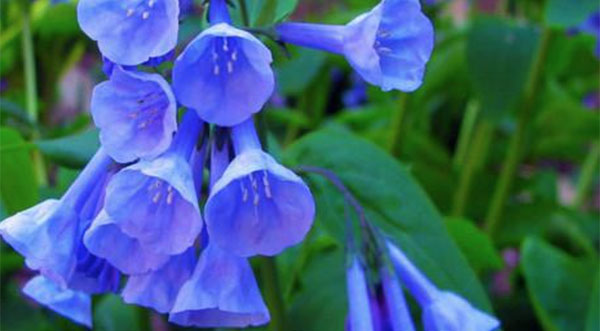
– Virginia bluebells are one of the most beautiful spring-blooming perennials. They have large, bell-shaped flowers that are a deep blue color. The plants grow to be about 2-3 feet tall and have long, slender leaves. They prefer to grow in moist, shady areas. Some plants will bloom a more lavender color if the PH is low in the soil.
- Red Cardinal Flower
The Red Cardinal Flower is one of the most vibrant and beautiful spring-blooming perennials. This flower gets its name from its brilliant red color, which is reminiscent of a cardinal bird. The Red Cardinal Flower blooms in early to mid-spring and can reach up to 3 feet in height. This perennial is native to North America and prefers moist, shady conditions.
- Daffodils
Daffodils are one of the most popular spring-flowering bulbs. They are easy to grow and come in a wide range of colors, from traditional yellow to white, pink, and orange. Many daffodils also have a sweet fragrance.
Daffodils are one of the first flowers to bloom in spring, often blooming even before crocuses. They prefer full sun but will tolerate partial shade. They are relatively drought-tolerant once established.
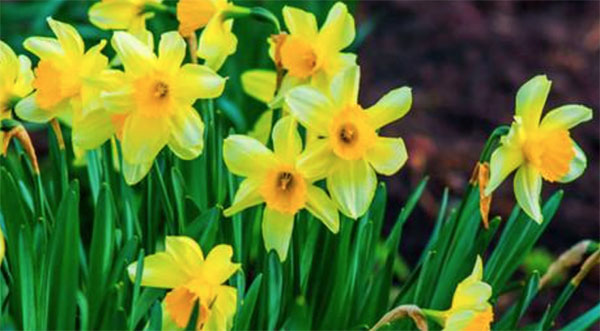
Bulbs should be planted in the fall, at least 6 weeks before the first frost. They can be planted in either pots or in the ground. If planting in pots, make sure to use a well-draining potting mix. Place bulbs 3-5 inches deep and water well after planting.
Once established, daffodils will naturalize and spread over time. To keep them from getting too crowded, lift and divide bulbs every few years in the fall.
- Ajuga
Ajuga is a genus of herbaceous flowering plants in the mint family, Lamiaceae. The genus name is derived from the Greek word for “goat”, ajuga, referring to the plant’s former use as a medicinal treatment for mange in goats.
Ajuga is native to Europe, Asia, and Africa. It is widely planted as an ornamental plant in gardens and parks. Ajuga has many cultivars that are grown for their decorative foliage and flowers.

Ajuga is a low-growing plant that spreads by runners. The leaves are variable in shape but are typically oval or heart-shaped with toothed margins. The leaves are often attractively marked with dark green or burgundy patches or stripes. The flowers are borne in spikes and are typically blue, although there are also pink, white, and purple cultivars.
Ajuga is a versatile groundcover plant that can be used in sun or shade, and in a wide range of soil conditions. It is fast-growing and drought-tolerant once established. Ajuga can be invasive in some situations, so it is best to check with your local extension office before planting it in your garden.
- Blazing Star
If you are looking for a colorful, vibrant perennial to add to your spring garden, look no further than the blazing star (Liatris spicata). This beautiful plant is native to North America and produces long spikes of purple flowers that attract bees and butterflies. The blooms appear in late summer and last until fall.

The blazing star is a drought-tolerant plant that does well in both full sun and partial shade. It prefers well-drained soil and can reach up to 3 feet in height. This perennial is relatively low-maintenance and easy to care for. Simply deadhead the spent flowers to encourage more blooming.
If you are looking for a show-stopping plant that will bring color and life to your garden, the blazing star is the perfect choice!
- Dianthus
Dianthus is a genus of about 300 species of flowering plants in the family Caryophyllaceae, native mainly to Europe and Asia. They are herbaceous perennial plants with narrow evergreen leaves and very fragrant flowers in shades of white, pink, purple or red. Dianthus are popular garden plants, both in their native habitats and as cultivated varieties.
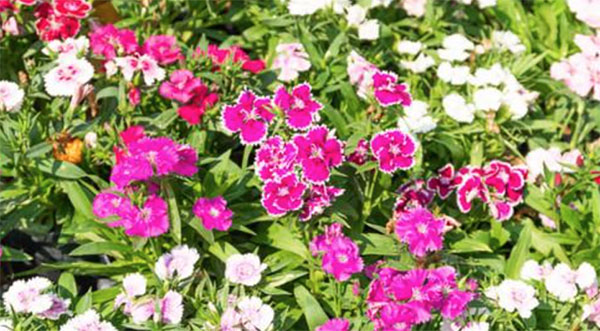
Dianthus flowers typically have five petals (hence the name penta-dianthus), but some species have more. The flowers are often highly double, with many frilly petals packed together. The central floret is usually tubular or funnel-shaped and notched at the end. Many species are strongly scented, especially those in the Caryophyllaceae family.
Benefits of Planting Perennials in the Garden
Perennials are plants that live for more than two years. They are a great addition to any garden because they provide color and interest year after year with little maintenance.
Perennials also help to attract bees, butterflies, and other pollinators to the garden which is beneficial for both the garden and the environment. In addition, many perennials are drought tolerant once they are established, making them a low-maintenance option for busy gardeners.
Tips for Planting and Caring for Perennials
When it comes to spring-blooming perennials, there are a few things to keep in mind when planting and caring for them. Here are some tips:
– Choose a spot in your garden that gets full sun. Most spring-blooming perennials need at least 6 hours of direct sunlight each day.
– Amend the soil with organic matter before planting. This will help the roots establish themselves and grow deeper into the soil.
– Plant perennials in clumps rather than individual plants. This will give them a better chance to survive and thrive.
– Water regularly, especially during dry spells. Spring is often a time when gardens need extra watering.
– Fertilize every 4-6 weeks with a balanced fertilizer to keep plants healthy and blooming all season long.
Conclusion
Spring-blooming perennials are a fantastic way to add some vibrant color and life to your garden. With these five most vibrant spring-blooming perennials, you can create an eye-catching display of color that will last for years. Whether you choose the purple haze of lavender, the bright yellow of daffodils, or the delicate white petals of snowdrops, there is something for everyone in this selection. Be sure to pick plants suited to your climate and location so that they thrive all season long!













