Trailer Purchasing Guide for Entrepreneurs
By Space Coast Daily // February 8, 2024
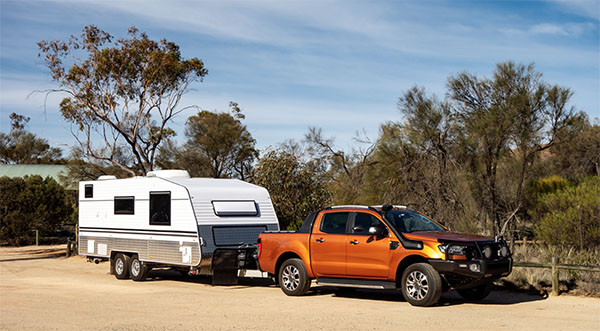
Entrepreneurs often grapple with difficulties in logistics, transportation, and storage. The desire to streamline operations and reduce expenses nudges them daily.
Luckily, there’s a solution that fixes these problems and boosts efficiency. That’s trailers.
Trailers are vital assets in business premises. They primarily aid with transportation and storage, easing operational challenges. This article offers practical hints for purchasing trailers. With the right one, you’re on the right road to transforming your firm’s logistical setbacks into opportunities for growth and efficiency.
- Assess your business needs
Your first port of call is knowing what your company needs. Think about the kind of goods you want to ferry. Whether perishable, heavy, or fragile, there’s a fitting trailer for all these applications.
Perishable goods like food and pharmaceuticals require refrigerated trailers to keep them fresh. Fragile items should be transported in cushioned and enclosed trailers to prevent damage while in transit. They’re also sufficiently shielded from weather elements and road debris. Enclosed trailers are also perfect for high-security goods like electronics, luxury retail items, artworks, and sensitive documents. For heavy goods, flatbed trailers are recommended because of their high strength and large capacity.
Another crucial consideration is transportation frequency. If you’re constantly on the move, you’d want to have robust trailers that can stay put under heavy use. Bigger trailers may help you save some cash as they carry more goods at a time. Yes, there are many truck drivers in the U.S.; there were 902,000 of them in 2020. But that number is less than what the industry needs, pushing driver costs over the roof. Larger trailers mean less drivers needed, saving you expenses.
This evaluation stage is critical. It ensures you choose a trailer that matches your business needs.
- Balance cost and quality
Cost versus quality is a typical dilemma for virtually all purchases. Cheap trailers abound on the market, but don’t be tempted to pick them based solely on costs. Evaluate their durability and features before buying. On the flip side, the most expensive trailer may not be the appropriate one for your company. They may have more features than you actually need. The trick is to carefully balance cost and features.
Getting a trailer from a local supplier may help reduce haulage costs. For instance, search for trailers for sale Carlisle PA, if your business is in this corner of Pennsylvania.
Set a feasible budget, outlining how much cash your company can set aside for trailers. Focusing on the long-term value, and not just the upfront costs, is essential. A given trailer may require a considerable capital outlay initially but save you money in the long term because of reduced need for maintenance and repairs.
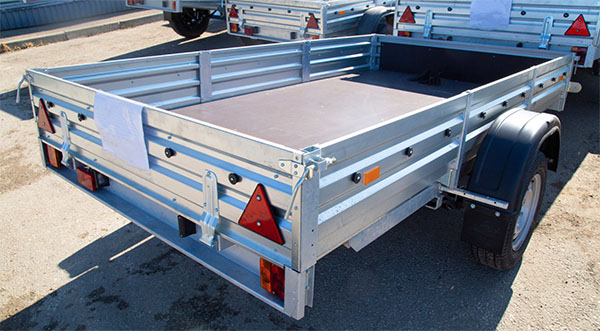
If you’re not in a position to raise the full purchase amount, look into alternative financing options. Many suppliers understand the financial burden that comes with such an investment and can allow you to spread your payments over a given time period. Often dubbed ‘buy now, pay later,’ this financing option is a darling to many. About 45% of consumers use it because of the ease of making payments. Another option is leasing a trailer, which is suitable if you need it for a specific short-term project.
- Factor in durability and maintenance
No one likes frequent repairs and breakdowns of equipment. They’re costly and irritating. Thus, it’s best to select highly durable trailers that can withstand the rigors of frequent use, rough roads, and inclement weather.
High-grade steel is popular for its excellent structural integrity. Aluminum is lightweight and rust-resistant, thus an excellent choice for areas with harsh weather. High-density polyethylene can be used for trailer floors and walls. Its moisture-resistant trait prevents mold and rot, enhancing the trailer’s durability. Marine-grade plywood is also a worthy internal liner for trailers owing to its superior moisture resistance.
Purchasing a durable trailer doesn’t eliminate the need for maintenance. Proper upkeep may extend its lifespan and make it safe for use. Typical maintenance activities include inspecting the lighting system, brakes, tires, and the body for signs of wear or damage. Remember to frequently lubricate moving parts to promote efficiency and prevent rust.
- Consider modern technological features
Technology is revolutionizing every sector, including the trailer industry. Modern ones come equipped with cutting-edge features for improved safety, convenience, and efficiency.
The first feature that comes to mind is tracking systems. The increase in the number of road accidents has made fleet management companies install tracking devices in all vehicles. The global tracking system market was valued at USD$24.18 billion in 2023 and is expected to shoot up to USD$60.89 by 2030.
Technology has also made it possible for manufacturers to install advanced safety features on trailers. These include anti-lock braking systems, rearview cameras, and electronic stability control, which help mitigate accident risks.
Conclusion
Purchasing the right trailer can considerably improve your operational efficiency. Use the tips discussed to find one that suits your business needs. It helps to be up to date with industry trends. Furthermore, manufacturers are always adding new features to trailers. Knowing what’s latest lets you leverage the best transportation and storage solutions.