Guide to Choosing Solar Panels for Your Residence
By Space Coast Daily // April 20, 2024
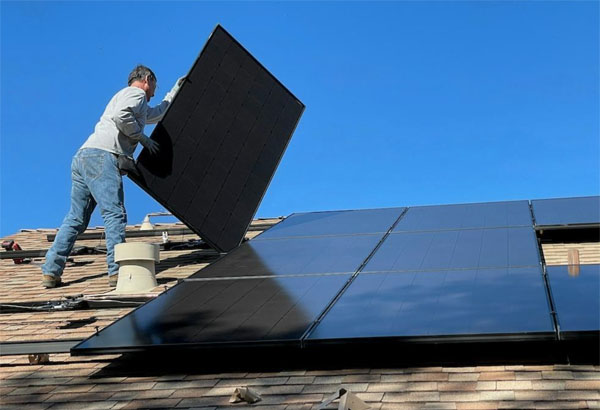
In an era marked by heightened environmental consciousness and the pursuit of sustainable living, solar energy has emerged as a beacon of hope for homeowners seeking to reduce their carbon footprint and energy bills simultaneously.
Harnessing the power of sunlight, solar panels have evolved from a niche technology to a mainstream solution for residential energy needs. However, with a plethora of options available in the market, choosing the right solar panels for your home can be a daunting task. In this comprehensive guide, with the assistance of Renewable Energy Advisors, we delve into the key factors to consider when selecting solar panels to illuminate your home and pave the way for a greener future.
Understanding Your Energy Needs
Before embarking on your solar journey, it’s crucial to assess your household’s energy requirements. Analyze your historical electricity consumption patterns to determine the size of the solar system needed to meet your needs adequately. Factors such as the number of occupants, typical energy-intensive appliances, and future growth should all be taken into account to ensure that your solar panel installation is tailored to your specific needs.
Quality and Efficiency
When it comes to solar panels, quality is paramount. Opt for panels from reputable manufacturers with a track record of reliability and performance. Look for certifications such as the International Electrotechnical Commission (IEC) and Underwriters Laboratories (UL), which attest to the panels’ compliance with stringent quality standards. Additionally, consider the efficiency of the panels, which denotes their ability to convert sunlight into electricity. While higher efficiency panels may come at a premium, they can yield greater energy production and savings over the system’s lifespan.
Type of Solar Panels
Solar panels come in various types, each offering unique advantages and suited to different applications. The most common types include monocrystalline, polycrystalline, and thin-film panels. Monocrystalline panels are known for their high efficiency and sleek aesthetics, making them ideal for space-constrained rooftops. Polycrystalline panels, although slightly less efficient, are more affordable and offer good performance in diverse weather conditions. Thin-film panels, on the other hand, are lightweight and flexible, making them suitable for unconventional installations such as curved surfaces or portable solar systems.
Warranty and Longevity
Investing in solar panels is a long-term commitment, so it’s essential to choose panels backed by robust warranties and proven longevity. Pay attention to both the product warranty, which typically covers defects and performance guarantees, and the performance warranty, which ensures that the panels will maintain a certain level of output over their lifespan. A warranty of 25 years or more is considered standard in the solar industry, providing peace of mind and protection against unforeseen issues.
Financial Considerations
While the environmental benefits of solar energy are undeniable, it’s also essential to evaluate the financial implications of installing solar panels. Calculate the return on investment (ROI) based on factors such as upfront costs, available incentives, energy savings, and the projected lifespan of the system. Explore financing options such as solar loans, leases, or power purchase agreements (PPAs) to make solar more accessible and affordable. Additionally, research available incentives such as federal and state tax credits, rebates, and net metering policies, which can significantly offset the initial investment and accelerate the payback period.
Installation and Maintenance
Choosing the right solar panels is only half the battle; ensuring proper installation and maintenance is equally crucial. Select a reputable solar installer with experience and expertise in residential solar projects. A professional installer will assess your home’s suitability for solar, handle the permitting process, and ensure that the panels are installed correctly for optimal performance. Once installed, regular maintenance such as cleaning the panels and monitoring their performance is essential to maximize efficiency and longevity.
Environmental Impact
Beyond the financial and practical considerations, it’s essential to consider the environmental impact of your solar panel selection. Opting for solar energy reduces reliance on fossil fuels, mitigating greenhouse gas emissions and combating climate change. However, not all solar panels are created equal in terms of their environmental footprint. Look for panels manufactured using sustainable practices and materials, with minimal carbon emissions and water usage throughout the production process. Additionally, consider the end-of-life disposal options for solar panels to ensure responsible recycling and minimize waste.
Future Expansion and Technology Trends
As solar technology continues to evolve, it’s wise to consider the potential for future expansion and integration of emerging technologies. Choose a solar panel system that allows for scalability, enabling you to expand your solar capacity as your energy needs evolve or as new technologies become available. Keep abreast of industry trends such as energy storage solutions, smart grid integration, and advanced panel technologies, which may offer additional benefits and enhance the value of your solar investment over time.
In conclusion, selecting the right solar panels for your home is a multifaceted decision that requires careful consideration of various factors. By understanding your energy needs, prioritizing quality and efficiency, evaluating financial considerations, and considering environmental impact and future trends, you can make an informed decision that illuminates your home with clean, renewable energy for years to come. Embrace the power of the sun and embark on your journey towards a brighter, more sustainable future with solar energy.