
What Challenges Exist in Proving Liability in Asbestos and Chemical Exposure Lawsuits?
By Space Coast Daily // April 5, 2024
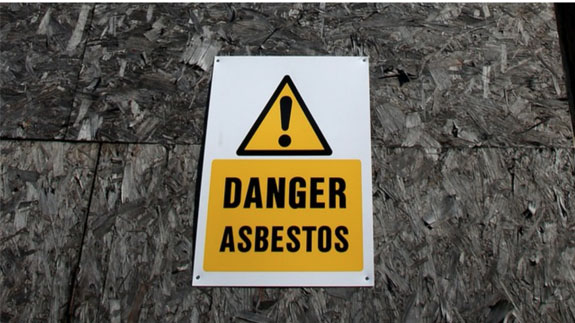
Exposure to asbestos and harmful chemicals may have a devastating impact on human health, often leading to serious diseases such as mesothelioma, lung cancer, and other respiratory diseases.
When victims seek legal recourse through lawsuits against the responsible parties for their injuries, they often face various difficulties in proving liability. These cases often involve complex scientific evidence, contradictory expert opinions, and a network of liability that can be difficult to untangle.
When victims seek legal recourse through lawsuits against the responsible parties for their injuries, they often face various difficulties in proving liability. These cases often involve complex scientific evidence, contradictory expert opinions, and a network of liability that can be difficult to untangle — which is why many turn to experienced asbestos attorneys to help build a strong case.
Proving liability in such cases requires a thorough understanding of the legal environment, thorough investigation, and a strong knowledge of technical and medical data. Let’s explore some of the key challenges that plaintiffs face in these high-stakes lawsuits.
The Hidden Dangers of Asbestos and Chemical Exposure
Asbestos is a naturally occurring mineral that was widely used in various industries due to its heat resistance and insulation properties. However, exposure to asbestos fibers has been linked to several serious health problems, including mesothelioma, a rare and aggressive form of cancer that affects the lining of the lung and abdomen.
In addition, exposure to certain chemicals, such as benzene, lead, and other toxic substances, can have devastating effects on human health, leading to various diseases, including respiratory problems, cancer, and birth defects. Furthermore, products that contain asbestos pose significant health risks, as asbestos exposure has been linked to severe respiratory diseases, including mesothelioma and asbestosis.
The insidious nature of these exposures lies in their latency period; the time it takes for symptoms to manifest can span decades, making it challenging to pinpoint the source and establish a direct causal link.

Challenges in Proving Liability
Identifying the Responsible Parties
One of the main challenges in asbestos and chemical exposure lawsuits is the identification of responsible parties. In many cases, tracing the history of exposure becomes necessary. This task can be complex and time-consuming, particularly when multiple parties are involved or when exposure occurs in various locations over an extended period.
The plaintiffs in these cases are faced with the task of gathering and presenting evidence linking their exposure to specific companies, products, or workplaces. This task may be particularly difficult, especially if records are incomplete or unavailable, which makes it difficult to establish a clear link.
Establishing Causation
Another significant hurdle in these cases is establishing a clear causal relationship between the exposure and the resulting health condition. Defendants in such cases may argue that other factors, such as genetic or lifestyle factors, contributed to the disease. This argument makes it difficult to attribute sole responsibility to the alleged exposure.
Plaintiffs must rely on scientific evidence and expert testimony to demonstrate the link between the exposure and the resulting harm, often requiring extensive research and analysis.
Statute of Limitations and Latency Periods
The latency period associated with asbestos and exposure to chemical substances may be a significant challenge in the context of litigation within the time limits. In several cases, the statute of limitations starts at the time of discovery of the injury, not at the time of exposure.
The plaintiffs must comply with these time constraints carefully, since failure to apply within the specified time limit may result in the dismissal of their case, irrespective of its merits.
Overcoming Challenges with Legal Support
Expert Testimony and Medical Evidence
The involvement of qualified experts and the acquisition of comprehensive medical evidence are key strategies for overcoming the challenges of proving liability in asbestos and chemical exposure cases. Expert witnesses, such as doctors, toxicologists, and industrial hygienists, play an important role in providing expert testimony and scientific evidence to support the plaintiff’s claim.
Their expertise contributes to establishing a strong link between the defendant’s conduct and the plaintiff’s injuries, thus strengthening the liability claim. This element is necessary in complex cases involving asbestos and chemical exposure.
Documenting Exposure History
To establish the cause and demonstrate the link between the defendant’s actions and the plaintiff’s injuries, thorough documentation of the plaintiff’s history of exposure is essential. This may include the collection of employment records, medical records, witness statements, and other relevant documents to support the plaintiff’s claim.
The excessive recording, including details of the duration, frequency, and intensity of exposure, may provide convincing evidence to support the plaintiff’s claim. In addition, the documentation of any warnings or safety measures provided by the defendant may help establish liability and strengthen the case.
The Role of Legal Advocacy for Consumer Rights
To understand the complexities of these lawsuits, it is essential to seek legal representation from experienced attorneys specializing in asbestos and chemical exposure litigation.
Organizations such as ConsumerShield, a consortium of consumer rights advocates, connect individuals with a perfect lawyer who will fight their case, particularly those involving chemical exposure lawsuits, bridging the gap between the victims and the legal representation they desperately need.
Their mission is to empower consumers by fostering transparency and providing objective guidance, ensuring that they can make informed decisions and deal with the legal process with confidence.
FAQs:
How can I determine if I have a valid case for an asbestos or chemical exposure lawsuit?
Consulting with an experienced attorney who specializes in these types of cases is the best way to determine if you have a valid claim. They can evaluate your specific situation, gather relevant information, and advise you on the best course of action.
What kind of compensation can be sought in an asbestos or chemical exposure lawsuit?
Depending on the circumstances and the extent of the harm suffered, compensation may be sought for medical expenses, lost wages, pain and suffering, and in some cases, punitive damages.
How long does it typically take to resolve an asbestos or chemical exposure lawsuit?
The timeline for resolving these cases can vary significantly, as they often involve complex legal and scientific issues. Some cases may be resolved within a year or two, while others can take several years to resolve, especially if they go to trial.
Conclusion
Asbestos and chemical exposure lawsuits are intricate and demanding, requiring a deep understanding of legal principles, scientific evidence, and the complexities of toxic exposure. Prosecuting liability in asbestos and chemical exposure lawsuits presents numerous challenges.
These problems range from the identification of responsible parties to the identification of causation and compliance with strict legal deadlines. The defendants must overcome significant challenges. These include the identification of the responsible parties, the identification of the cause, and the management of the statutes of limitation and latency periods.
However, with appropriate legal assistance, expert testimony, and comprehensive evidence, victims can overcome these obstacles and seek fair compensation for their injuries.














