What Made Florida Workers So Vulnerable to Asbestos
By Space Coast Daily // August 1, 2026
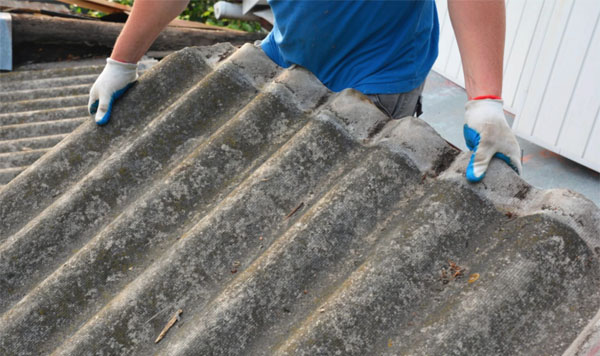
Florida’s growth during the 20th century created jobs in shipbuilding, construction, power generation, aerospace, manufacturing, and the military. Those industries helped build the state, but many workers spent years around materials that would later be tied to mesothelioma.
The danger was not always obvious. Asbestos could be found inside insulation, boilers, pipes, gaskets, flooring, roofing products, and other materials used because they resisted heat and fire. Workers could breathe in microscopic fibers while installing, repairing, cutting, or removing those products. Decades later, some former workers began receiving mesothelioma diagnoses linked to exposures that happened early in their careers.
For a patient facing that diagnosis today, reconstructing the past can become part of both medical and legal planning. The Florida mesothelioma attorneys at Meirowitz & Wasserberg, LLP work with patients and families to examine employment histories, possible exposure locations, and legal options after a diagnosis.
Mesothelioma Can Appear Long After the Job Ends
Mesothelioma is a rare cancer that most often develops in the lining surrounding the lungs. Unlike many workplace injuries, it does not usually become apparent immediately after exposure. A worker may have changed jobs, retired, or moved across the country before symptoms lead to testing.
That long delay helps explain why occupational exposure from the middle and later decades of the 20th century remains relevant in Florida today. A retired pipefitter may think first about a shipyard where he worked decades ago. A construction worker may need to recall the buildings, products, and trades around him. Military veterans may have several possible exposure locations from different assignments.
The scale is small compared with common cancers, but the connection to occupational history is significant. According to the Centers for Disease Control and Prevention, 63,620 malignant mesothelioma cases were reported in the United States from 2003 through 2022. More than four out of five were pleural mesothelioma cases involving the tissue around the lungs.
| U.S. Mesothelioma Data, 2003-2022 | Cases | Share of All Cases |
| All malignant mesothelioma | 63,620 | 100% |
| Pleural mesothelioma | 51,526 | 81.0% |
| Peritoneal mesothelioma | 7,079 | 11.1% |
| Other recorded sites | 5,015 | 7.9% |
The same data show 47,973 cases among men and 15,647 among women. That difference fits the historical pattern of men making up much of the workforce in shipyards, heavy industry, mechanical trades, and other jobs associated with substantial occupational asbestos exposure.
Florida’s Industries Put Workers Near High-Heat Materials
Florida had several industries where heat protection and insulation were essential parts of everyday operations. Shipyards and naval facilities required miles of piping, boilers, machinery, and mechanical systems. Power plants depended on equipment operating at high temperatures. Construction crews installed insulation, flooring, roofing, and other building products during decades of rapid population growth.
Workers did not need “asbestos worker” in their job title to encounter the material. A plumber could disturb pipe insulation. An electrician could work next to insulated mechanical systems. A mechanic might replace gaskets or other heat-resistant components. Demolition and renovation crews could encounter older materials years after the original installation.
That distinction matters when investigating a mesothelioma diagnosis. The occupation alone does not tell the complete story. What the worker handled, where the job took place, what nearby trades were doing, and when the work occurred can all help build a clearer exposure history.
| Florida Work Setting | Workers Who Could Encounter Older Materials | Potential Exposure Points |
| Shipyards and naval facilities | Pipefitters, machinists, electricians, boiler workers | Insulation, piping, boilers, gaskets |
| Construction | Carpenters, plumbers, roofers, electricians | Flooring, roofing, insulation, mechanical systems |
| Power generation | Maintenance crews, mechanics, operators | Boilers, turbines, steam piping |
| Industrial facilities | Millwrights, mechanics, maintenance workers | Equipment insulation, valves, gaskets |
| Building renovation | Contractors, maintenance staff, demolition crews | Older flooring, insulation, ceilings, pipe systems |
The Space Coast Was Part of Florida’s Industrial Expansion
Brevard County has its own place in this history. Cape Canaveral and Kennedy Space Center grew during the same broad period when Florida was expanding roads, housing, utilities, industrial facilities, and military infrastructure.
The Space Coast attracted engineers, technicians, construction crews, electricians, mechanics, maintenance workers, and contractors. Their work supported one of the country’s most important aerospace regions. At the same time, buildings and mechanical systems constructed during earlier decades could contain materials that would require special handling when repaired, renovated, or removed later.
That does not mean every worker at an aerospace facility was exposed. Mesothelioma cases depend on individual circumstances. A person’s specific trade, dates of employment, work areas, contractors, and products matter far more than the name of a large facility alone.
A Diagnosis Changes the Questions Families Need to Ask
Once mesothelioma is diagnosed, treatment comes first. Patients may be referred to specialists for imaging, pathology review, staging, and discussion of treatment options based on the type and extent of the disease.
The next questions may reach much further into the past. Where did the patient work? Did the job involve ships, boilers, power systems, construction, maintenance, or industrial equipment? Were dusty materials cut or removed nearby? Did the patient serve in the military? Were there several employers over a long career?
Families should preserve employment records, union information, military records, old tax documents, coworker names, and anything else that can help reconstruct that history. Even small details can matter when an exposure happened several decades earlier.
Legal options may also need prompt attention because filing deadlines can apply after a diagnosis. Depending on the facts, potential paths may involve claims against responsible companies or other compensation sources. Meirowitz & Wasserberg, LLP focuses on mesothelioma cases and can help families assess those possibilities while the patient focuses on medical care.
Florida’s Old Workplaces Still Matter Today
Florida’s industrial past was built by people who worked on ships, constructed buildings, maintained power systems, supported military facilities, and helped turn the Space Coast into an aerospace center. Many had no reason at the time to expect that materials around them could become relevant to a cancer diagnosis decades later.
Today’s mesothelioma cases are a reminder that occupational history can remain medically and legally important long after a worker leaves the job. For Florida families, identifying where and how an exposure may have happened can provide answers about the disease, help doctors understand the patient’s history, and clarify what options remain after a diagnosis.