
Quality of Life in New Zealand: Does It Live Up to the Hype?
By Space Coast Daily // May 9, 2024
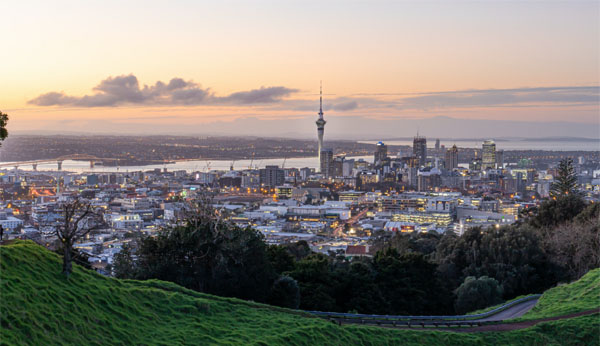
Dreaming of a life surrounded by stunning scenery and tranquillity? New Zealand, with its renowned landscapes and high quality of life, might be the perfect fit. But before you pack your bags, it’s important to understand what everyday life is really like.
Fortunately, this article touches on different aspects of living in New Zealand. If you are contemplating relocating to this marvelous country, here is a bird’s eye view of what you can expect.
Housing
While New Zealand’s landscapes are among the most beautiful in the world, housing affordability is a growing concern, especially in urban areas.
The demand has surged in cities like Auckland and Wellington, leading to high property values and rental costs. This situation has been exacerbated by limited housing supply and speculative investment.
Some people find affordability by choosing suburbs or smaller cities. These areas offer a good balance between lower housing costs and a decent quality of life. Plus, to address housing affordability, the New Zealand government offers various programs to help first-time buyers and make homes more accessible.
For those moving internationally and facing the task of shipping belongings, UPakWeShip and other reputable providers offer cost-effective solutions that make the transition smoother.
Healthcare
New Zealand’s public healthcare system operates on a mixed public-private model. The system ensures that essential healthcare services are accessible and affordable for all permanent residents and many visa holders.
Emergency healthcare is free, and regular medical visits are subsidized. This system allows for high standards of care and generally good health outcomes across the population.
Yet, the main disadvantage consists of the long waiting times, which may be the most significant drawback for those needing urgent medical care. Some private insurance companies can help solve some of these predicaments; they succeed in giving access to specialists and elective procedures.
Education
The New Zealand education system is divided into primary, intermediate, and secondary schools, followed by tertiary education at universities and polytechnics. Public education is free for citizens and many permanent residents from age 5 to 19, highlighting the government’s commitment to accessible education.
New Zealand’s approach to education emphasizes a balance between theoretical and practical learning, with a significant focus on developing skills that prepare students for both higher education and vocational careers.
The country’s universities are also renowned for their research facilities and strong academic programs, particularly in sciences, medicine, and engineering.
Employment
While New Zealand enjoys a low unemployment rate and a varied economy with openings in farming, tech, tourism, and healthcare, finding a new job can be challenging. This is particularly true for specialized positions or in booming industries.
Expatriates considering a move to New Zealand should ideally secure a job offer before arriving, as this significantly eases the transition and ensures financial stability. Networking and understanding local employment practices and requirements can be crucial.

Environment
New Zealand takes pride in its stunning landscapes, and this is reflected in its strong environmental policies and citizens’ dedication to conservation. This unique chance to be surrounded by nature is a major reason many choose to move to New Zealand.
However, the geographical isolation of New Zealand can mean higher costs and limited availability for certain goods, potentially impacting the overall quality of life for those accustomed to more cosmopolitan environments.
Community And Lifestyle
New Zealand’s reputation for friendliness and openness lives up to the hype. The country embraces its cultural diversity through countless festivals and events, fostering a lively and welcoming community. This makes settling in a breeze for newcomers.
Strong community support and a focus on achieving a healthy work-life balance create a relaxed atmosphere that appeals to those seeking a more laid-back lifestyle.
Safety And Security
New Zealand is frequently ranked among the safest countries in the world. Its low crime rate contributes to a sense of security that is often cited by residents as one of the country’s most appealing attributes.
Violent crime is rare, and petty crimes, such as theft, are more common but still not as prevalent as in many other countries. The police force is approachable and trusted by the community, which enhances the overall feeling of safety.
Additionally, New Zealand’s isolation from global conflict zones and its stable political environment add to its safe haven status. This level of safety allows residents, especially those with families, to enjoy a secure and comfortable life.
Cost Of Living
The cost of living in New Zealand is relatively high compared to many other countries. This includes daily expenses such as groceries, public transportation, and utilities.
While salaries in New Zealand are generally good, they may not always keep pace with the cost of living, especially in the most populous cities. Prospective residents should carefully consider their budget and lifestyle expectations against the typical costs they will face in New Zealand.
Takeaway
While New Zealand offers a high quality of life with its excellent healthcare, esteemed educational system, and stunning natural environment, potential residents must consider the higher cost of living and housing challenges.
Balancing these factors against personal and professional needs will be key in determining whether New Zealand truly lives up to its hype as a top destination for expatriates.














