How To Clean Drainage System: Best Practices For Long-Term Maintenance
By Space Coast Daily // June 30, 2024

Becoming a homeowner entails you to take on many house ownership-related tasks – they range from paying for utilities, annual property taxes, insurance premiums, and so on to carrying out maintenance.
In fact, homeownership maintenance is said to be one of the most important tasks a homeowner like you shouldn’t skimp on. Do keep in mind that homeowner maintenance covers a lot of dimensions. And this post will focus on maintenance of at-home drainage systems.
Why do long-term maintenance for your drainage system? It’s because of the following: properly maintaining your drainage system is crucial for avoiding costly repairs and ensuring your home runs smoothly.
And to help you out, the following points will disccus how you can clean your drainage system effectively and keep it in top shape for the long term. Read on to learn more.
Have An Understanding Of The Significance Of Drainage Maintenance
Prior to diving into the specifics of drainage cleaning, it’s essential to understand why maintaining your drainage system is so important. Regular maintenance prevents clogs, reduces odors, and increases the lifespan of your pipes. It also helps in preventing water damage that could lead to expensive repairs.
Prepare All Your Tools
To start, you’ll need a few basic tools and supplies. These include rubber gloves, a plunger, a drain snake, baking soda, vinegar, a bucket, and a flashlight. Having these items on hand will make the process easier and more efficient.
Check Your Drains Regularly
Routine inspections are key. Check your drains regularly for any signs of slow draining water or strange noises. Use a flashlight to look into the drain for any visible obstructions. Early detection can prevent minor issues from becoming major problems.
Use Plunger For Easier-To-Manage Blockages
For minor clogs, a plunger can often do the trick. Ensure there’s enough water in the sink or tub to cover the plunger’s rubber part. Place the plunger over the drain, and push down and pull up with a steady, rhythmic motion. This can dislodge small clogs and get your drain flowing freely again.
Avoid Chemical Cleaner
Chemical drain cleaners can be harsh on your pipes, so opt for natural solutions instead. A mixture of baking soda and vinegar is a great alternative. Pour half a cup of baking soda down the drain, followed by half a cup of vinegar. Let it sit for a few minutes, then flush with hot water. This combination can help break down buildup and keep your drains clean.
Use A Drain Snake For Hard-To-Deal-With Clogs
If the plunger doesn’t work, using an auger might be your next best option in dealing with hard-to-drain blockages.
To proceed, insert the auger into the drain and switch the handle to push it down into the pipe. If there’s any resistance, there’s a clog. Next, twist the auger to remove the blockage and pull it out.
Utilize Drain Covers
Drain covers are a simple yet effective way to prevent clogs. These covers catch hair, food particles, and other debris before they enter your pipes. Clean the covers regularly to ensure they function properly.
Reach Out To Professionals
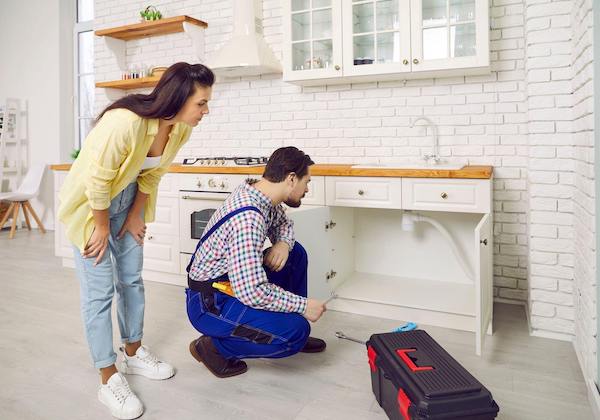
While regular maintenance can handle most issues, some situations require professional help. If you notice persistent clogs, foul odors, or water damage, it might be time to call a plumber. Professionals have the tools and expertise to tackle more serious problems and can provide you with peace of mind.
Deal With Drainage-Related Isues Appropriately
Despite your best efforts, drainage emergencies can still happen. If you encounter a severe clog or a backup, it’s important to handle the situation carefully. Avoid using harsh chemicals as they can damage your pipes. Instead, try using a plunger or a drain snake first. If these methods don’t work, it’s best to call a professional to handle the emergency.
Invest In High-Quality Products
Investing in high-quality drainage products can make a big difference. From durable drain covers to effective natural cleaners, using quality products can help maintain your system’s health. Additionally, consider upgrading old pipes and fixtures to more modern, efficient options.
Keep Your Drainage System Documentation Handy
Keep any manuals or documentation for your drainage system in a safe place. This can be useful if you need to reference the specifications or maintenance instructions. If you ever sell your home, having this information available can be a selling point for potential buyers.
Be Proactive With Seasonal Upkeep
Different seasons can present unique challenges for your drainage system. In the fall, clear leaves and debris from outdoor drains to prevent clogs. In the winter, take steps to prevent pipes from freezing. Spring and summer are ideal times for thorough cleanings and inspections. Being proactive with seasonal maintenance can help you avoid problems year-round.
Flush Your Drains With Hot Water
Regularly flushing your drains with hot water can help prevent buildup. Simply run hot tap water for a few minutes once a week. This practice can dissolve grease and other residues that might be clinging to your pipes.
To Conclude
Maintaining your drainage system doesn’t have to be a daunting task. With regular inspections, the right tools, and some preventative measures, you can keep your drains running smoothly for years to come. Remember, a little effort now can save you from major headaches and expenses down the line. Take these steps seriously, and your drainage system will thank you.