
When Chemical Signage is Needed in a Business
By Space Coast Daily // July 3, 2024
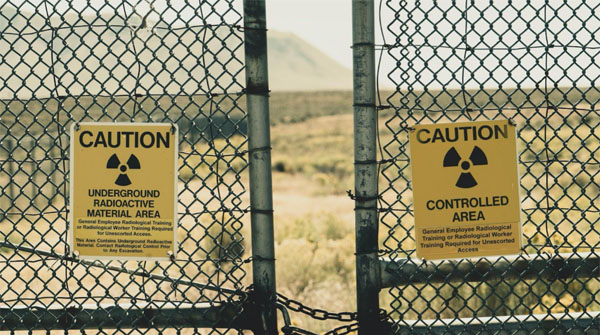
Chemical signage can be the difference between keeping someone safe and them experiencing serious burns, respiratory issues, and an eye injury.
Businesses have a legal responsibility to clearly display chemical signs in areas where one or more chemicals are present, such as corrosive substances.
It will provide a warning that corrosive liquids and materials are stored in the area, which will keep unauthorized personnel at bay or encourage staff or visitors to enter an area with caution.
Also, the signage will ensure employees or visitors effectively protect themselves with the appropriate PPE, such as wearing chemical-resistant gloves or suits when handling hazardous substances or materials.
Yet, you might be scratching your head about when chemical signage is needed in a business. Read on to find out more.
Use Hazard Pictograms to Warn of Risks
The Health and Safety Executive (HSE) requires UK companies to display the correct GB CLP hazard pictograms. It notifies employees and visitors of the chemicals nearby and if they can cause harm to humans or the environment. More than one pictogram could appear on a chemical sign for a single chemical.
The hazard pictogram symbols are used to indicate various warnings, such as:
- A flame (flammable)
- Flame over circle (oxidizing)
- An exploding bomb (explosives)
- Skull and crossbones (acute toxicity)
- Corrosive (corrosion)
- An exclamation mark (Hazardous to the ozone layer or a health hazard)
- Environment (an environmental hazard)
- Gas cylinder (gas under pressure)
- Health hazard (A serious health hazard)
Using the correct pictograms will inform all employees and visitors of a potential hazard, ensuring they act safely and responsibly in the hazardous area. Browse chemical signs online from Seton to protect all staff and visitors and adhere to HSE regulations.
State a Chemical Severity with Signal Words
Businesses must follow GB CLP regulations by displaying the appropriate signal words near chemicals. For example, if a chemical is deemed a severe hazard, you must choose signage with the signal word ‘Danger’. However, select a sign with the signal word ‘Warning’ if a chemical is a less severe hazard.
Hang Hazard Statements to Prevent Health Issues
In addition to hanging the appropriate pictograms and signal words, you can choose signage with hazardous statements to provide all employees and visitors with precautionary advice.
For instance, it can warn them of the various risks of handling, ingesting, or combining chemicals, which will encourage people to use them responsibly.
For example, a chemical sign might say:
- Toxic if swallowed
- Cause serious eye damage
- May be corrosive to metals
- May cause respiratory irritation
Add Precautionary Statements to Encourage Specific Actions
Some chemical signs can include precautionary statements to inspire employees and visitors to perform or avoid a specific action.
For example, a sign might state:
- Wear eye protection
- Avoid release to the environment
- Do not eat, drink, or smoke when using this product
Conclusion
UK businesses must display clear, legible chemical signs to warn people of hazards, inform them of prohibited actions (such as no access), and essential safeguards (e.g. wearing ear protection). However, you mustn’t display too many signs in one area, as it could cause confusion or cause a person to overlook a sign altogether.














