
What Are the Legal Requirements for PCA Certification?
By Space Coast Daily // November 20, 2024
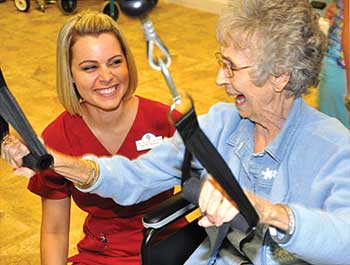
Becoming a Personal Care Assistant (PCA) is a rewarding career for those who want to make a real difference in the lives of others. PCAs provide essential help with daily activities to the elderly. However, to work as a PCA, you must meet specific legal requirements designed to ensure you have the right skills and knowledge.
Employers often verify PCA certification to ensure that their staff are properly trained and legally compliant before assigning them to clients. Let’s take a closer look at what is legally required to become a certified PCA.
Legal Requirements for Training Programs
Personal care assistants help individuals with daily tasks so they can continue living independently at home. Most people receiving home care in the U.S. are over 65, with about 97% needing help with bathing and 91% needing help getting in and out of bed. To ensure PCAs provide safe and effective care, they must meet specific legal requirements. If you’re interested in becoming a PCA, it’s important to know what training is required to get certified and start working. These are detailed below.
Mandatory Orientation Training
The first step to becoming a PCA is completing a six-hour mandatory orientation. This training covers key topics such as your responsibilities as a PCA, safety practices, how to protect the consumer’s privacy, and how to prevent abuse or neglect. By law, all PCAs must take this course to make sure they understand the job and how to provide proper care.
Studies show that caregivers who complete this type of training are less likely to make mistakes or have complaints from consumers. This orientation gives you the basic knowledge you need to care for someone professionally and follow legal rules.
National Criminal Background Check
All PCAs are required to pass a national criminal background check before they can start working. The background check must also be repeated every two years to stay up to date.
These checks are important because they protect consumers from potential harm. This legal requirement helps build trust between caregivers and consumers.
In-Home Training and CPR Certification
After you complete orientation and pass the background check, you will need to undergo in-home training. In this phase, the person you’re caring for will train you on how to meet their specific needs. This ensures that the care you provide is personalized and suitable for the consumer’s lifestyle.
Additionally, you must complete CPR certification within 90 days of starting the job. CPR is crucial because many medical emergencies, like cardiac arrests, happen at home. With CPR training, you’ll be better prepared to handle emergencies and provide life-saving care if needed.
Consumer Sign-Off and Documentation
Before you can get paid, the consumer must sign off on your training. This step ensures that the consumer is satisfied with your care and that you’ve completed all necessary tasks. Keeping proper documentation is essential to prove you’ve met the legal standards and can avoid issues like delayed payments.
Importance of PCA Certification
Becoming a personal care assistant requires proper training and certification to ensure that you can provide safe and effective care. Reasons why this certification training is important are detailed below:
Ensures Competency
PCA certification shows that you’ve completed the necessary training to provide high-quality care. This training covers topics like helping the elderly with their daily tasks. For example, learning CPR during certification is crucial because many emergencies happen at home. Studies show that prompt CPR can double or triple the survival rate.
Legal Compliance
Many states require PCAs to be certified to meet legal standards. Certification programs are designed to meet federal requirements. All of these skills can help you provide care that meets regulatory standards, which is reassuring to employers and clients alike. By getting certified, you follow the law and can work confidently within the system.
Professional Credibility
Being certified makes you more credible and attractive to employers. Many employers prefer or even require certified PCAs because certification shows that you have the basic skills needed for the job. Employers often see certified PCAs as more reliable and better trained, which can give you an edge in the job market.
Wrapping Up
PCA certification is an important step to becoming a well-prepared caregiver. It teaches you how to provide safe and quality care while boosting your credibility. This certification gives you the skills to provide compassionate care and opens up job opportunities in nursing homes, hospitals, and private residences. Whether you’re just starting out or aiming to advance in your career, being a certified PCA can open doors for you.













