Advancements In Dental Implant Technology: Recent Breakthroughs
By Space Coast Daily // February 6, 2025
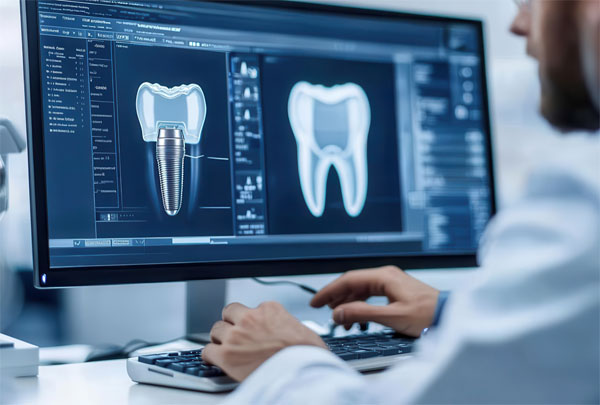
Dental implants have become a game-changer for individuals seeking permanent and reliable tooth replacement solutions. Thanks to advancements in technology, dental implants now offer not only enhanced aesthetic outcomes but also improved success rates and faster recovery times.
As innovations continue to emerge, patients can expect even more personalized and effective treatments, ensuring a more comfortable and efficient experience. With ongoing breakthroughs, dental professionals are better equipped to meet the unique needs of each patient, further elevating the quality of care.
Read on to discover the latest innovations in dental implant technology and how they are shaping the future of tooth replacement.
![]() Smart Implants and Monitoring Technology
Smart Implants and Monitoring Technology
Smart implants are revolutionizing the field of dental implants. These advanced devices come equipped with sensors that monitor the implant’s condition and its surrounding tissues, offering real-time feedback to both the patient and the dentist. This technology provides significant advantages in tracking the progress of healing, detecting issues early, and ensuring the long-term success of the implant.
Below are some of the key features of smart implants:
- Real-time monitoring: Smart implants are integrated with advanced sensors that continuously track vital data such as pressure, temperature, and movement around the implant site. This real-time data helps create a comprehensive view of the healing process, giving the dentist valuable insights into how the implant and surrounding tissues are progressing. With this ongoing monitoring, dental professionals can make informed decisions, ensuring that the implant is functioning as expected and that no issues are overlooked.
- Improved patient outcomes: By continuously collecting data, smart implants can detect early warning signs of potential complications, such as infection or implant failure. This proactive monitoring allows for prompt intervention, minimizing the risk of further damage or prolonged recovery. Early detection plays a crucial role in enhancing the chances of a smooth healing process, ultimately contributing to better overall outcomes for the patient.
- Personalized healing: The information gathered by smart implants enables dentists to tailor a recovery plan to the unique needs of each patient. By analyzing the specific data related to the implant’s performance, such as pressure and bone integration, dental professionals can adjust the treatment and healing approach. This personalized approach ensures a more efficient and effective recovery, optimizing the patient’s chances for long-term success with their implant.
The future of dental implants is moving toward integrating even more sophisticated monitoring technology, making it easier for patients to achieve better long-term outcomes. This personalized and data-driven approach brings a new level of care and precision to implant procedures.
Improved Implant Materials
Advancements in dental implant materials have revolutionized the way implants are designed, improving both their function and appearance. Traditionally, titanium was the material of choice due to its strength and compatibility with the body. However, new materials are now providing even better outcomes for patients in terms of aesthetics, performance, and long-term stability.
The following are some of the most notable improvements in implant materials:
- Zirconia implants: Zirconia, a high-performance ceramic material, is gaining popularity as an alternative to traditional titanium implants. Known for its aesthetic benefits, zirconia’s tooth-like appearance makes it an ideal option for patients with thin or receding gums, as it mimics the natural color of teeth more closely. The material’s translucent quality ensures that the implant blends seamlessly with the surrounding gum tissue, minimizing the risk of visible metal through the gums, which can be particularly noticeable in the front of the mouth. Additionally, zirconia is known for its durability and biocompatibility, offering a solid solution for those seeking both functional and aesthetic results.
- Bioactive materials: Bioactive materials have revolutionized the dental implant field by promoting bone regeneration and improving the osseointegration process—the critical process by which the implant bonds with the jawbone. These materials contain compounds that stimulate bone growth, leading to a faster and stronger bond between the implant and surrounding bone tissue. By accelerating the healing process, bioactive materials reduce the likelihood of implant rejection and improve the stability of the implant. This results in a more secure and lasting implant, offering long-term success and greater confidence for patients in their new dental restoration.
- Nanotechnology in implants: The application of nanotechnology to dental implants has ushered in a new era of enhanced implant performance. Surface treatments, engineered at the nanoscale, help improve the bond between the implant and bone tissue by creating microscopic structures that promote better cell adhesion and faster healing. These nanostructures encourage quicker osseointegration, allowing the implant to become stable and functional more rapidly. This technological breakthrough is enhancing the longevity of implants, offering patients more durable and reliable solutions with improved stability, reduced healing time, and better overall performance.
As these advanced materials continue to evolve, they provide more personalized solutions that address patient concerns about aesthetics, strength, and overall integration. This progress is setting new standards for implant success and helping patients achieve better, longer-lasting results.
Advanced Digital Planning and Imaging
Dental implant procedures have seen dramatic improvements with the integration of digital technologies. These advancements have made implant planning and placement more accurate, less invasive, and ultimately more successful for patients.
Below are the key technologies transforming dental implant procedures:
- 3D imaging: 3D imaging technology provides dental professionals with a highly detailed and accurate view of the patient’s oral anatomy. By creating a 3D map of the bone structure, nerve pathways, and surrounding tissues, it allows for precise planning of the implant placement. This detailed visualization helps identify potential challenges, such as bone density issues or nearby nerves, that could complicate the procedure. With the ability to plan and simulate the entire implant procedure in advance, 3D imaging significantly reduces the risk of complications during surgery, ensuring better outcomes and a more efficient process for both the surgeon and the patient.
- Digital impressions: Traditional impressions, which involve the use of messy materials and uncomfortable molds, are often a source of anxiety for patients. Digital impressions replace these outdated techniques with precise, non-invasive scans of the patient’s mouth, capturing an accurate 3D image of the teeth and gums. These digital scans eliminate the discomfort associated with traditional methods and reduce the chances of human error. By providing highly accurate and detailed data, digital impressions lead to implants that fit better and are more comfortable for the patient, ultimately making the entire implant process smoother and more efficient.
- Computer-guided surgery: Computer-guided surgery technology takes implant placement to a new level of precision by using pre-surgical planning combined with real-time data during the procedure. This system allows the surgeon to see exactly where to place the implant, using detailed 3D imaging and other data collected before surgery. The guidance ensures that the implant is positioned in the optimal location, considering factors like bone structure and the position of surrounding teeth. This technology minimizes the risk of errors, reduces the time spent in surgery, and improves the efficiency of the procedure, leading to a more predictable and successful outcome for the patient.
These innovations mean that patients benefit from less invasive procedures, shorter recovery times, and more predictable results. Digital technologies enable dental professionals to plan and perform implant surgeries with greater accuracy, ensuring both functional and aesthetic success.
Faster Healing and Recovery Times
One of the most common concerns for patients considering dental implants is the recovery time. Advancements in dental technology are making it possible for patients to heal more quickly, reducing the discomfort and downtime traditionally associated with these procedures.
Here are some key developments that are speeding up the healing and recovery process:
- Faster bone growth: Modern biomaterials are revolutionizing the process of bone integration with implants. Advanced materials, such as growth factors and bioactive surfaces, actively stimulate the body’s natural healing mechanisms to accelerate bone growth around the implant. These materials work by encouraging the formation of bone tissue that fuses with the implant, a process known as osseointegration. As a result, implants are able to integrate with the jawbone much more quickly and securely, improving the overall success rate. With faster bone growth, patients experience reduced healing times and can enjoy the benefits of their implants sooner, enhancing both function and comfort.
- Minimally invasive techniques: Minimally invasive techniques, including flapless implant surgery, are making a significant impact on the recovery process. These methods involve making smaller, more precise incisions, which reduces the trauma to surrounding tissues. With less disruption to the gums, muscles, and bones, the healing process is much quicker and less painful for the patient. The smaller incisions also mean a reduced risk of infection, less post-operative swelling, and minimal scarring. By minimizing tissue damage, these techniques allow patients to recover faster, return to their daily activities sooner, and experience less discomfort overall.
- Ongoing research: The field of dental implantology is constantly evolving, with researchers investigating a wide range of innovative methods to speed up healing and improve outcomes. Promising advancements include stem cell therapy, which aims to regenerate damaged bone and soft tissues, and laser treatments that can enhance the healing process by stimulating cell growth and reducing inflammation. These new technologies have the potential to significantly shorten recovery times and improve the success rates of implants. As these research areas continue to develop, the future of dental implant procedures holds the possibility of even quicker and more effective healing for patients.
Thanks to these breakthroughs, patients can expect a smoother recovery process with less discomfort and a quicker return to normal activities. As technology advances, dental implant procedures will only become faster, more effective, and less intrusive.
Customization and Precision in Implant Placement
As dental technology continues to improve, the ability to create custom implants and optimize their placement has become a key factor in enhancing the success of dental implant procedures. Personalized treatment ensures a better fit and function, leading to longer-lasting results for patients.
The following are some of the advancements in customized implant placement:
- Customized implants: The use of 3D printing technology in dental implants has introduced a new level of customization, allowing for implants that are tailored to the unique anatomy of each patient’s mouth. By creating a digital scan of the patient’s mouth, dental professionals can design an implant that fits precisely, ensuring a secure and comfortable fit. This precision not only enhances the aesthetic outcome by providing a more natural look but also contributes to the overall stability and longevity of the implant. For many patients, customized implants play a key role in achieving a smile makeover, restoring both function and confidence with a seamless and natural-looking result. With a customized implant, patients experience less discomfort and a more seamless integration into their oral structure, making for a more effective and lasting solution.
- Guided implant surgery: Computer-assisted planning has revolutionized the way implants are placed, offering pinpoint accuracy during the surgical process. With guided implant surgery, dental professionals use advanced software to map out the ideal position for the implant, taking into account the patient’s unique bone structure and oral anatomy. This technology enables the surgeon to place the implant in the most optimal location, ensuring that both functional and aesthetic outcomes are achieved. By improving the precision of the procedure, guided implant surgery reduces the risk of complications, minimizes post-operative discomfort, and leads to better long-term results for patients.
- Tailored biocompatible materials: Advances in dental implant materials have led to the development of highly biocompatible options that are specifically chosen for their compatibility with an individual’s bone structure and biological needs. Materials such as zirconia and titanium are often selected based on their ability to integrate with the bone and promote osseointegration, reducing the risk of rejection or implant failure. The ability to tailor these materials to each patient’s unique needs improves the healing process, enhances the strength of the implant, and helps ensure its long-term success. This personalized approach to material selection plays a critical role in providing patients with a safer, more stable, and lasting solution for tooth replacement.
- Precise alignment and positioning: Advanced imaging techniques, such as cone beam CT scans, enable dental professionals to plan the precise alignment and positioning of the implant in relation to the surrounding teeth and jaw structure. This level of accuracy ensures that the implant will not only fit well but also function in harmony with the patient’s natural bite. Proper alignment minimizes the need for adjustments post-surgery and guarantees that the implant serves its intended purpose, whether it’s for aesthetics, functionality, or both. With precise positioning, the implant can function seamlessly with the rest of the dental structure, providing a more comfortable and effective solution for the patient.
Customized implants and precise placement techniques are revolutionizing dental implantology, offering patients a solution that is tailored to their specific needs. These innovations improve both the functionality and longevity of implants, leading to better overall outcomes for dental patients.
Final Thoughts
The continuous advancements in dental implant technology are reshaping the way patients experience tooth replacement. With innovations focused on precision, customization, and improved materials, dental implants are becoming more effective, efficient, and comfortable. As these technologies evolve, patients can expect even better outcomes, shorter recovery times, and more personalized treatments. The future of dental implants promises to enhance both functionality and aesthetics, ensuring that individuals seeking reliable, long-lasting tooth replacements can achieve optimal results with confidence.