STEM Education’s Rising Influence on Florida’s Next Generation: Shaping Future Innovators
By Space Coast Daily // August 20, 2025

In recent years, STEM education has become a powerful force shaping Florida’s future. As we dive into this dynamic landscape, we see how science, technology, engineering, and math are not just subjects but essential skills driving innovation and economic growth. With a focus on hands-on learning and real-world applications, STEM programs are equipping our youth with the tools they need to thrive in an increasingly competitive job market.
Florida’s commitment to enhancing STEM education is evident in its initiatives and partnerships. Schools, businesses, and communities are coming together to create opportunities that inspire curiosity and foster creativity. For example, students working on robotics or digital design often rely on practical tools like a usb to hdmi adapter, which allows them to seamlessly connect devices during experiments, presentations, and competitions.
Beyond classrooms, the emphasis on applied learning also extends into technical trades and engineering pathways. Welding programs, for instance, prepare students for high-demand careers in construction, aerospace, and advanced manufacturing. Access to modern welders ensures learners can train with industry-standard equipment, giving them a competitive edge as they transition into the workforce.
By investing in our next generation, we’re not just preparing them for careers; we’re empowering them to become leaders and problem solvers. Florida’s growing emphasis on STEM education highlights the state’s vision: a future where innovation and opportunity go hand in hand.
Overview of STEM Education
STEM education integrates science, technology, engineering, and mathematics into a cohesive learning paradigm. This approach emphasizes real-world applications, cultivating critical thinking and problem-solving skills essential for future careers. Florida schools promote STEM programs to enhance students’ understanding of complex concepts while engaging them in hands-on projects.
STEM initiatives in Florida target various age groups, from early childhood through higher education. Early exposure to STEM subjects sparks interest and curiosity, motivating young learners. In middle and high schools, advanced courses and extracurricular activities further deepen knowledge and skills. Such programs often incorporate robotics, coding, and environmental science, reflecting current workforce demands.
Collaboration plays a key role in advancing STEM education across Florida. Partnerships among schools, local businesses, and community organizations create rich educational experiences. These collaborations provide resources like mentorship opportunities, internships, and access to technology. The synergy between educational institutions and industry leaders fosters a robust talent pipeline ready to meet the challenges of tomorrow’s economy.
Assessment of STEM education’s effectiveness relies on various metrics, including student performance and participation rates. Many Florida institutions are adopting innovative teaching methods and curricula aligned with state and national standards. Such efforts aim to close achievement gaps and promote inclusivity, ensuring every student has access to quality STEM instruction.
Investments in STEM education underscore its long-term importance for Florida’s economic development. The state’s commitment to cultivating a skilled workforce supports initiatives that enhance educational infrastructure and teacher training. As we strengthen STEM education, we prepare our youth to become the innovators and leaders who will drive Florida’s future.
The Importance of STEM in Today’s World
STEM education plays a critical role in today’s economy, driving advancements across various sectors. By equipping students with essential skills, we’re preparing them for future challenges.
Economic Growth and Workforce Demand
STEM fields contribute significantly to economic growth. According to the U.S. Bureau of Labor Statistics, jobs in STEM careers are projected to grow by 8% from 2019 to 2029. This growth exemplifies the increasing demand for skilled workers across industries, including healthcare, engineering, and IT. Florida’s economy thrives as businesses seek talent proficient in science, technology, engineering, and mathematics. By focusing on STEM education, we ensure our students are ready to fill these high-demand positions, enhancing both their career prospects and the state’s overall economic health.
Innovation and Technological Advancement
Innovation thrives in environments rich with STEM education. According to the National Science Foundation, investment in STEM research leads to breakthroughs that enhance our quality of life. Florida, by fostering a culture of creativity and exploration, positions itself as a leader in technological advancement. Encouraging students to engage with emerging technologies—such as artificial intelligence and biotechnology—promotes problem-solving and critical thinking. As we cultivate this innovative mindset in our youth, we empower them to contribute to revolutionary developments that define the future.
STEM Education Initiatives in Florida
Florida showcases a variety of initiatives aimed at enhancing STEM education across the state. These programs engage students at different educational stages, ensuring a robust pipeline of talent for future careers.
Statewide Programs and Policies
State initiatives like the Florida STEM Education Strategic Plan emphasize collaboration among educational institutions, businesses, and community organizations. The plan outlines goals for increasing STEM engagement through funding for STEM-centric programs and establishing partnerships. The Florida Department of Education supports these efforts by implementing policies that encourage innovative curriculum development and professional training for teachers. Additionally, statewide competitions, such as the Science and Engineering Fairs, inspire students to apply their STEM knowledge in practical projects, fostering a culture of innovation.
Local School District Efforts
Local school districts in Florida actively promote STEM education through tailored programs designed to meet community needs. For instance, districts often implement hands-on activities that include robotics clubs, coding classes, and environmental science projects. Many schools partner with local industries to provide internships, mentorships, and resources, creating real-world connections for students. These localized efforts not only enhance student engagement but also cultivate crucial skills necessary for success in STEM fields. By aligning curriculum and extracurricular activities with community goals, districts prepare students to thrive in a rapidly evolving job market.
Impact on Students in Florida
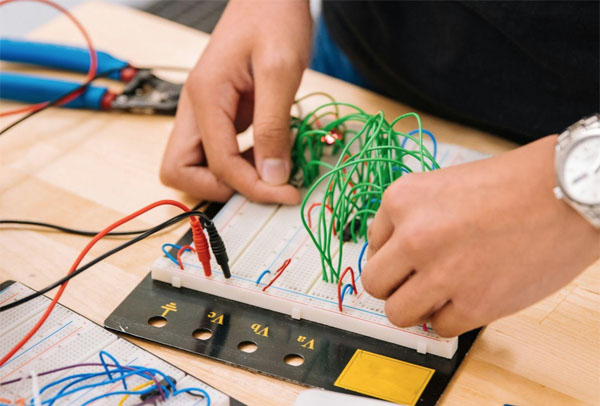
STEM education significantly influences student development in Florida, equipping them with valuable skills and preparing them for future careers. Increasing participation in hands-on activities shapes the next generation of innovators.
Skill Development and Career Preparedness
STEM programs enhance student skills in critical areas like analytical thinking, teamwork, and technical proficiency. We see students engage in advanced courses, such as robotics and coding, which provide practical experience directly tied to career opportunities. Participation in internships and mentorships through community partnerships helps students build professional networks early. Employers increasingly seek candidates with these competencies, making STEM education a vital part of our workforce preparation strategy.
Fostering Creativity and Problem-Solving
STEM education emphasizes creative thinking and real-world problem-solving. We encourage students to tackle complex challenges through project-based learning, where they devise innovative solutions to contemporary issues. This approach nurtures an entrepreneurial mindset, inspiring students to think outside the box. Collaborations with local businesses often lead to projects that address community needs, emphasizing the importance of applying scientific concepts to real-life situations. By fostering creativity and problem-solving, we prepare students to excel in dynamic environments.
Challenges in STEM Education Implementation
STEM education faces several challenges in implementation across Florida. Understanding these obstacles helps us identify potential solutions and enhance educational opportunities for students.
Funding and Resource Allocation
Funding and resource allocation pose significant challenges in STEM education. Many schools struggle to secure adequate funding for specialized programs, equipment, and materials necessary for effective STEM learning. Inadequate budgets limit access to cutting-edge technology, such as robotics kits and software tools. Also, the distribution of resources can be uneven, with some districts lacking essential infrastructure compared to others. Collaborative partnerships between schools and local businesses can provide additional financial support and resources, integrating community engagement into STEM education initiatives.
Teacher Training and Curriculum Development
Teacher training and curriculum development represent critical areas for improving STEM education. Many educators require ongoing professional development to stay current with the latest STEM teaching strategies and technologies. Effective training ensures teachers can effectively deliver engaging and relevant content. Additionally, curriculum development often lacks alignment with real-world applications, limiting students’ ability to connect lessons with practical scenarios. By fostering partnerships with higher education institutions, we can enhance teacher training programs and develop curricula that are both innovative and effective, ultimately enriching student learning experiences.
Future Outlook for STEM Education in Florida
STEM education in Florida projects significant growth and enhancement in the coming years. Increased collaboration among schools, community organizations, and businesses drives innovative approaches to learning. Funding initiatives focus on expanding resources, ensuring all students access advanced technology and materials.
Investments in teacher training strengthen instructional quality. Professional development programs help educators stay current with evolving technologies and teaching methods. Enhanced curriculum alignment connects learning to real-world applications, making STEM education more relevant and engaging.
We anticipate continued growth in student participation in STEM-related programs. Educational institutions are expected to offer more diverse extracurricular activities, including coding clubs, robotics competitions, and environmental science projects. These programs encourage students to explore STEM careers early, reinforcing their interest and enhancing their skills.
Projected job growth in STEM fields further underscores the importance of this educational focus. By 2029, jobs in STEM disciplines are expected to grow by 8%, particularly in healthcare, engineering, and IT. Preparing students for these high-demand roles improves their career prospects and positions Florida as a leader in the global economy.
Community partnerships will play a critical role in nurturing STEM talent. Local businesses can provide mentorship opportunities and internships, helping students build professional networks. As students engage in hands-on experiences, they develop critical skills like problem-solving, teamwork, and analytical thinking.
Overall, the future of STEM education in Florida looks promising. A concerted effort among stakeholders will enhance educational experiences, ensuring the next generation of innovators and leaders is equipped for success in an ever-evolving landscape. For more insights on the impact of STEM education, check out the National Science Foundation.