From Engineering to Empowerment – A Candid Conversation with Dr. Markus Rechlin on Leadership, Learning and Long-Term Impact
By Space Coast Daily // September 17, 2025
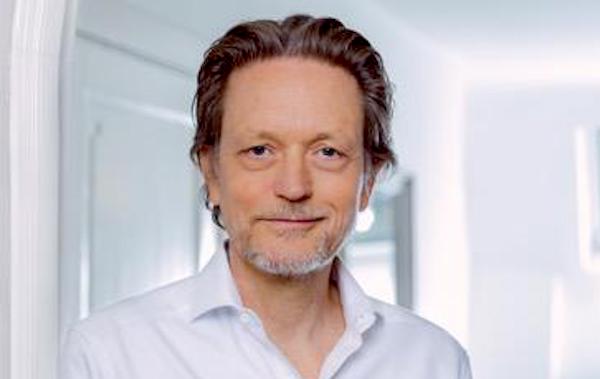
Dr. Markus Rechlin is no stranger to complexity. With a background in mechanical engineering and decades of experience spanning consulting, private equity, and executive leadership, he brings a rare combination of analytical precision and human-centered vision to every organization he leads. From his early days at Drägerwerk to his transformative leadership at SLM Solutions and now as Managing Director of MAREVEST Beteiligungs GmbH, Dr. Rechlin has consistently found ways to drive growth, foster trust, and empower others.
In this interview, he shares candid insights into the principles that guide his decision-making, the leadership lessons that have shaped his journey, and the practices that keep him grounded in a fast-paced world.
You’ve led companies through major transitions, including taking SLM Solutions public. What’s your overall philosophy when it comes to leadership and growing a business?
I’ve learned that success doesn’t come from focusing solely on strategy or people—it’s about finding a balance. I take a holistic approach that integrates the “hard” factors, such as structure and process, with the “soft” factors, including mindset, culture, and development. At SLM Solutions, that blend helped us grow rapidly and ultimately led to our initial public offering. At MAREVEST, I apply the same principle. It’s not just about executing a business model; it’s about creating an environment where both people and performance can thrive.
In high-pressure situations or complex markets, what guides your decision-making process?
It starts with self-reflection. I want to understand not just the facts, but the people and dynamics involved. I believe in aligning strategy with culture, because even the best ideas will fail if they don’t resonate with the team. Responsibility and clarity are crucial. I prioritize transparency and trust, especially under pressure, because that’s when people need clarity the most. That clarity provides stability—and stability, in turn, builds resilience.
You’ve worked across sectors, from consulting at BCG to investing with Bain Capital and leading in the industry. What have you found to be most effective in building strong professional relationships?
Trust and openness. It may sound simple, but they are incredibly powerful. At Bain Capital, I was fortunate to work with a mentor, Steve Barnes, who trusted me to operate independently. That trust motivated me to step up and deliver. Since then, I’ve tried to lead the same way—by empowering others rather than controlling them. I spend time understanding people, building mutual respect, and focusing on collaboration over competition. Strong relationships are built on shared values and a genuine sense of partnership.
You’re known for both operational excellence and people-centered leadership. How do you maintain that balance when managing teams and investments today?
It starts with setting clear goals—SMART goals, OKRs, measurable KPIs—and tracking them consistently. But it doesn’t stop there. I also built space for dialogue and adaptation. I conduct regular check-ins, not just on financials, but also on interpersonal dynamics. Accountability is essential, but so is flexibility. At MAREVEST, I use structured frameworks that I’ve developed over the years, but I never treat them as rigid. They’re tools to help people stay focused, not cages to restrict innovation.
Can you share an example from your leadership at SLM Solutions that reflects your people-first philosophy?
One moment that stands out is working with Arpad, my assistant at the time. He was incredibly versatile—managing everything from front-desk responsibilities to profitability analyses. I saw potential in him and encouraged him to pursue an MBA at Columbia. Supporting him in that journey not only helped him grow professionally but also sent a message to the entire team: we invest in people. That mindset built loyalty and motivation, which played a massive role in our company’s success and eventual listing on the TecDAX.
With such a diverse background, what are you currently doing to stay ahead in today’s competitive business world?
Continuous learning is essential for both the “hard” and “soft” aspects of leadership. I read constantly: industry reports, thought pieces, and academic research. I regularly exchange ideas with peers and partners. But I also invest in personal growth. I study neuroscience, psychology, and leadership development. Meditation, breathwork, and self-reflection are part of my daily routine. These practices help me stay grounded and aligned with my values, which in turn helps me lead with clarity and purpose.
You’ve managed both portfolio investments and operational teams. How do you decide what to personally handle versus what to delegate?
I ask myself two questions: Where can I add the most value? And where can someone else grow by stepping up? I usually focus my time on strategic direction and building investor relationships—areas where my experience makes a real difference. Tasks that require specific technical expertise or day-to-day operations are often best handled by trusted partners or team leads. Delegation isn’t about offloading work—it’s about developing capability across the organization.
Leading international teams often brings cultural and interpersonal complexity. How do you handle difficult conversations with clients, investors, or colleagues in those contexts?
Listening is key. I try to truly understand the other person’s perspective before responding. I want people to feel safe sharing concerns—especially in cross-cultural situations where misunderstandings can arise easily. When I respond, I focus on clarity, empathy, and solutions. Even in moments of tension, transparency builds trust. And when people feel heard and respected, collaboration becomes much easier—even when you’re navigating difficult decisions.
Across your career, you’ve seen many different leadership models. Which qualities do you think are most critical for today’s leaders?
I believe in authenticity, empowerment, trust, and adaptability. Authenticity means aligning your actions with your values and being willing to reflect on them. Trust and empowerment mean giving your team space to grow and contribute meaningfully. And adaptability is non-negotiable—markets change, technologies shift, and leaders must respond in real-time. At SLM Solutions, these principles weren’t just theoretical. They were essential to our operations and our success.
In your current role at MAREVEST, how do you keep your team motivated and connected to long-term goals, especially when day-to-day pressures are high?
Purpose is everything. I ensure that people understand not only what we’re doing but also why it matters. When people connect their daily work to a bigger vision, motivation becomes intrinsic. I also celebrate milestones—we don’t wait until the final result to recognize progress. That builds momentum. And I try to lead with openness and sincerity. When teams feel respected and trusted, they don’t just execute—they engage.
Let’s go back to the beginning. How did your foundation in mechanical engineering influence the leader you are today?
Engineering taught me how to think—how to break down problems, find patterns, and build systems. But just as importantly, it showed me the limits of purely technical solutions. Human factors are just as critical, especially in leadership. Over time, I’ve come to integrate both perspectives. I can dive deep into analytics when needed, but I also prioritize culture, communication, and connection. That balance has served me well across every chapter of my career.
Finally, if you were speaking to a young professional just starting out, what advice would you offer?
Be curious. Don’t rush to specialize too early—explore different roles, industries, and even geographies. Seek out mentors and learn from them. Reflect regularly on what drives you and where you find meaning. And above all, remember that leadership isn’t about control. It’s about service, trust, and creating environments where others can thrive.
From his early years in engineering to his current role guiding investments and coaching leadership at MAREVEST, Dr. Markus Rechlin’s journey is a study in thoughtful growth. He balances data with intuition, structure with empathy, and ambition with humility. In every role, he’s found ways to lead not just by performance, but by purpose.
Whether shaping strategy in a boardroom or encouraging a team member to pursue their next big leap, he leads with the conviction that people are the greatest asset any organization has—and that leadership, at its core, is about helping others rise.