Uncorking the Charm of Italian Wines
By Space Coast Daily // September 1, 2025
With over 700,000 hectares dedicated to vineyard cultivation, it should come as no surprise that Italy produces more wine than any other country in the world. But with so many regions, blends, and varieties to sift through, it can feel overwhelming to find the perfect wine to complete your collection.
Whether you are after a classic Pinot Grigio, a bold Chianti, or Riccadonna Asti, it may take some trial and error to familiarize yourself with the most popular offerings from across the country. However, understanding the distinct grapes that originate from each region will allow you to make a more informed decision.
Understanding Wine Labels
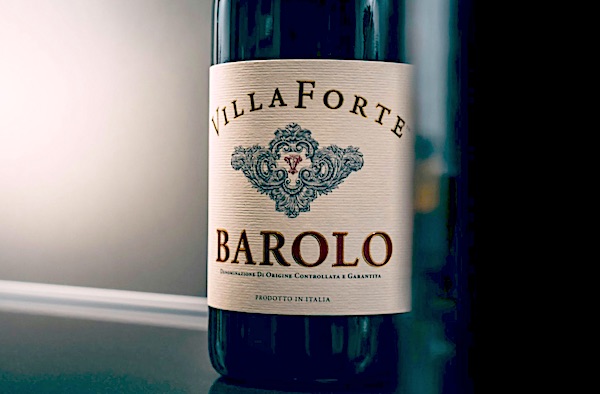
Before you can delve into the world of wine regions, flavor profiles, and grape varieties, it is beneficial to gain a better understanding of how Italian wine is labeled. Most labels contain the name of the winery (and sometimes the name of the vineyard where the grapes were grown and harvested), the vintage, and a phrase or abbreviation indicating the category under which the wine falls.
There are four main categories of wine produced in Italy:
Vino da Ravola (VdT)
This category translates as ‘table wine’, with its production largely unrestricted by industry rules and regulations. It typically results in blends that are weaker in taste, more acidic, and fairly unremarkable.
Indicazione Geografica (IGT).
This classification category describes wine produced in a specific region of the country, but does not meet the stringent regulations needed to be classified as a DOC or DOCG blend. A famous example of IGT wines is ‘Super Tuscans’.
Denominazione di Origine Controllata (DOC)
DOC wines are varieties produced in specific geographical regions around Italy. Furthermore, they are crafted using specific rules and methods that closely guard and protect the traditional wine-making practices of the area. To date, over 300 labels have carried this honor.
Denominazione di Origine Controllata e Garantita (DOCG)
DOCG-classified wines are considered the most prestigious within the industry, with strict rules in place to control grape yields and other crucial production factors. These wines must be tasted and approved by a government-licensed committee before they can be bottled and sold. Currently, there are only roughly 74 blends that carry this prestige.
Nort-West Italy
On the French and Swiss border, encompassing the cities of Turin, Milan, and Genoa, the north-west region of Italy is known for consistently and reliably producing high-quality wine blends. The red Nebbiolo grape reigns supreme here, and while locals are more than happy to support their regional wine producers, exports across Europe have always kept the market thriving.
The reputation of the wines found here is rapidly increasing, making them a must-have addition to any home cellar. Popular grape varieties include Dolcetto red, with blueberry and floral notes, a deep color, soft acidity, and firm tannins; Riesling, of German origin, with high acidity and notes of lemon, lime, and flints; and Moscato, a white and fizzy wine with floral and grape notes.

North-East Italy
North-East Italy borders Austria, Germany, and Slovenia, and includes Venice, Lake Garda, and Verona. While it is not the largest by size, it exports more wine than the rest of the country put together. The region has a long history of exporting globally popular styles such as Pinot Grigio, Prosecco, Soave, and Valpolicella. This commercial drive is primarily centered around Veneto and, to a lesser extent, Friuli. Alternatively, Trentino and Alto Adige are considered more niche regions with stronger French and Germanic varieties crossing the border.
Key grape varieties found here include Pinot Grigio, a crisp and dry white wine with a soft texture and notes of lemon, white pepper and pear; Lagrein, a fullbody red blend with soft acidity, and flavors of red berry and violet; and Garganega, a dry white with hints of tart green apple and lemon.
Central Region
In the central Italian region, the picture-perfect combination of a famous mountain range and two coastlines, just 150 miles apart, has created a thriving landscape for vineyards. Extending from Lazio and Tuscany along the shores of the Tyrrhenian sea and travelling westwards, barrelling through landlocked Umbria, saddling the Apennines and ending in the regions of Molise and Abruzzo on the Adriatic side, it truly is the beating heart of central Italy.
Common grape varieties grown in this area encompass Sangiovese, a punchy red blend with bright acidity, firm tannins and delightful notes of tart cherry, spice, wild strawberry and leather; Sagrantino, a robust red with deep purple hues and bold tannins supporting damson fruit and plum flavors; and Grechetto, a sweeter white blend with concentrated sweet lemon and sour passionfruit notes.
Southern Italy
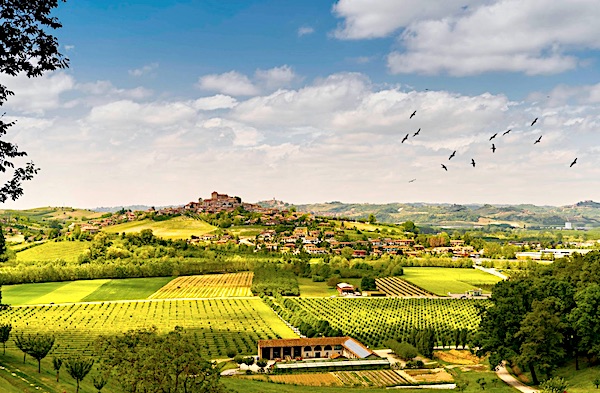
When driving between wineries in southern Italy, it can feel like a world away from the northern city of Turin. These southern spots have a fantastic number of local grape varieties worthy of exploration, offering a wondrous treasure trove for any wine enthusiast.
Visitors to the region can enjoy wines crafted using Negroamaro grapes, used to produce a bold red blend with deep tones and prune, plum and earthy flavors; Nerello Mascalese, a pale red wine with tart red fruit notes and complex spice perfume; Greco white blend with its mineral-like and salty finish; and Grillo, an easy-drinking white wine with soft hints of apricot and nectarine.