Construction Safety: Close Compliance & Training Gaps
By Space Coast Daily // October 24, 2025

The latest Bureau of Labor Statistics (BLS) report shows that construction accounts for nearly one in five workplace fatalities in the United States, with OSHA issuing more than 4,000 citations to contractors last year alone. Dig deeper and three silent culprits keep surfacing: compliance gaps from missing paperwork, false alarms that desensitize crews to real danger, and training risks hiding in plain sight.
This guide walks you through a four-step framework (Identify, Assess, Control, Review) to spot and solve those liabilities before they trigger injuries, stop-work orders, or six-figure fines. We’ll close with an actionable checklist you can run against any project this afternoon.
Why Safety Still Slips on Modern Job Sites
Even with stricter regulations and advanced safety technology, construction sites continue to face compliance challenges that go beyond physical hazards. The gap between what’s written in safety manuals and what actually happens on the ground reveals three critical pressure points:
- Paperwork vs. Performance: A number of construction fines stem from “administrative” lapses like permits, inspection logs, or missing training records rather than the job-site hazard itself.
- Higher Stakes: Owners, insurers, and financing partners increasingly require real-time compliance proof, not just end-of-project affidavits.
- Cost Reality: The average single serious OSHA violation now tops $16,000, and indirect costs like schedule delays, legal fees, and higher premiums can easily triple that figure.
The 4-Step Process for Managing Site Risk
Effective safety management isn’t about reacting to incidents after they happen; it’s about building a systematic approach that identifies, evaluates, and controls hazards before they result in injuries or violations.
The following four-step process provides a practical roadmap that integrates daily operations with long-term safety goals, ensuring that risk mitigation becomes a natural part of your site culture rather than an afterthought:
Step 1 – Identify Hazards
Conduct daily walk-throughs, review incident logs, and solicit worker input in toolbox talks. List physical hazards like unguarded edges, process hazards such as night work, and administrative hazards including expired permits.
Step 2 – Assess the Risk
Use a likelihood-by-severity matrix, ranking from 1 (low) to 5 (high). A high-traffic roof edge with no guardrail might rate a 4 (likelihood) × 5 (severity) = 20 (critical), demanding immediate attention.
Step 3 – Control the Risk
Apply the hierarchy of controls: Elimination, Substitution, Engineering, Administrative, and PPE. Practical examples include installing guardrails (engineering), deploying smart sensors that alert when a barrier is breached, or substituting fuel-powered tools with battery versions to cut fumes.
When controlling atmospheric hazards, proper equipment selection is paramount. For complex environments, specialized equipment such as a portable gas detector can be necessary, requiring careful attention to sensor ranges and maintenance schedules to remain effective in rugged job site conditions.
Step 4 – Review & Adjust
Schedule weekly audits, immediate post-incident reviews, and quarterly leadership walkthroughs. Using cloud-based dashboards can help visualize trends and missed actions early, allowing for timely adjustments.
Close Your Compliance Gaps Fast
Most compliance failures aren’t the result of deliberately ignoring safety rules; they stem from disorganized systems, outdated processes, and a lack of accountability for documentation. The good news is that these gaps are entirely preventable with targeted interventions that modernize how you track, verify, and maintain critical compliance records.
Addressing the following three weak points will immediately reduce your exposure to fines and strengthen your overall safety posture:
Mismatched & Missing Paperwork
Permits taped to trailers disappear in bad weather, and SDS sheets sit in binders nobody checks. Move critical documents to a secure, searchable digital hub accessible to all relevant personnel.
Tracking Worker Certifications
Digital badges and automatic expiry alerts are far more reliable than spreadsheets that go out of date the moment a subcontractor sends a new crew to the site.
The “Tick-and-Flick” Problem
A form with a signature is not proof of learning. Validate competency by having workers demonstrate lock-out/tag-out on real panels or by quizzing them after refresher videos to ensure comprehension.
False Alarms: Root Causes & Fixes
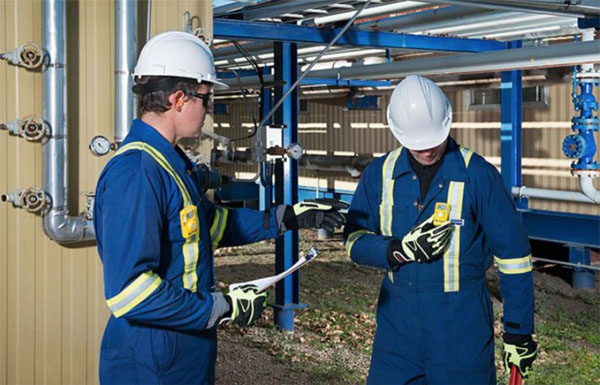
A huge percentage of alarm activations on large construction sites are ultimately deemed false. This breeds complacency and puts crews at risk. Understanding why false alarms occur is essential to maintaining alert credibility and ensuring genuine emergencies receive immediate attention.
False alarms typically fall into two categories:
Technical Causes
- Sensor mis-calibration
- Environmental factors (dust, high winds, temperature swings)
- Power or network instability
Human Causes
- Incorrect arming/disarming procedures
- Insufficient vendor training
- Maintenance neglect
Training Risks That Put Crews & Projects in Jeopardy
Even the most sophisticated safety equipment and protocols are useless if your workforce isn’t properly trained, certified, and continuously engaged in safety practices. Training gaps represent one of the fastest routes to citations, injuries, and project shutdowns, yet they’re also among the most preventable risks on any job site.
The following areas highlight where training programs most commonly fail; and how addressing these vulnerabilities can protect both your people and your bottom line:
Certification Lapses
Expired certifications are a leading cause of preventable fines and liability exposure, yet many site managers still rely on manual tracking systems that fail to flag expiration dates in time.
Competency vs. Compliance
Being “paper qualified” is not proof of skill. You must pair certificates with on-site performance demonstrations to verify true competency.
Toolbox Talks & Micro-learning
Keep toolbox talks under 15 minutes, focused on a single hazard, and document attendance efficiently, for example, by using a QR-code sign-in system.
Safer Projects
Construction’s injury and citation numbers prove that paperwork, false alarms, and outdated training are more than administrative headaches; they are project-threatening liabilities.
By closing these compliance gaps now, you can tame false alarms before they numb your crews and make training a living process rather than a filing exercise.
Use the four-step framework, reference authoritative sources like OSHA and NIOSH, and keep the checklist above in your back pocket to build safer, smarter projects.