Preparing for Hurricane Season: What Florida Drivers Need to Know
By Space Coast Daily // October 8, 2025
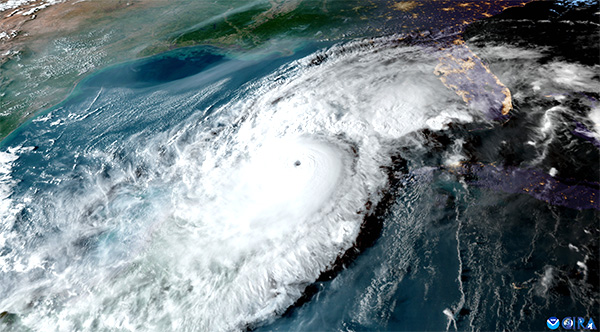
Every year, Floridians brace for hurricane season with a mix of preparation and hope. While boarding up windows and stocking up on essentials are familiar routines, one area that often gets overlooked is the car sitting in the driveway. When severe weather strikes, your vehicle becomes more than just transportation, it can be your lifeline for evacuation, your mobile supply hub, or even a temporary shelter in emergencies.
Whether you live along the Space Coast or inland, getting your car ready for hurricane season is an essential part of being storm-prepared. Here’s what every Florida driver should know to stay safe, mobile, and financially protected when the next major storm approaches.
1. Start with Vehicle Readiness
When a storm is on the horizon, gas stations fill up, traffic jams build fast, and small mechanical problems can quickly become big issues. The best way to avoid those stresses is to get your vehicle hurricane-ready before the first storm warning appears.
Basic maintenance checklist:
- Keep your gas tank at least half full during hurricane season, this helps if you need to evacuate quickly.
- Check your tires for proper pressure and tread depth; Florida’s wet roads can be unforgiving.
- Inspect your battery and brakes to ensure reliability.Top off fluids: oil, coolant, and windshield washer fluid are all crucial for long drives in unpredictable weather.
- Test your windshield wipers and replace them if they’re streaking or skipping.
If you live in an area prone to flooding, plan ahead for where you’ll park your car. Choose an elevated location or a covered structure, and avoid leaving your vehicle under trees or power lines.
2. Build a Hurricane Car Kit
A hurricane car kit can be a game-changer during an emergency evacuation or power outage. Think of it as your portable survival kit, one that keeps you safe, hydrated, and connected when supplies or assistance may not be immediately available.
Essentials to include:
- Flashlight with extra batteriesFirst-aid kit
- Bottled water and non-perishable snacks
- Jumper cables and a tire repair kit
- Power bank and phone chargers
- Blanket and poncho
- Important documents, driver’s license, vehicle registration, and insurance information, sealed in a waterproof pouch
- A physical map or printed directions in case cell service fails
Having these items ready to go means you can focus on your family’s safety instead of scrambling to find supplies at the last minute.
3. Know Your Evacuation Routes and Timing
Florida’s evacuation routes are well-established, but traffic and timing can make all the difference during a storm. Identify the official routes for your county and keep a backup plan in case of road closures.
- Check local resources: The Florida Department of Transportation and Brevard County Emergency Management post maps and real-time updates.
- Leave early: Don’t wait until the last moment when roads are congested. Even a few hours’ head start can save valuable time.
- Stay updated: Local radio, the National Hurricane Center, and Space Coast Daily all provide timely information during hurricane watches and warnings.
Keep your vehicle fueled and ready, if the power goes out, gas pumps won’t work, and lines at stations can stretch for miles.
4. Protect Your Vehicle from Flooding and Damage
Flooding is one of the most common causes of hurricane-related vehicle damage. Even a few inches of water can ruin a car’s electrical system or engine.
Before the storm:
- Move your car to higher ground or park in a garage if possible.
- Avoid parking near trees, power lines, or anything that could topple in high winds.
- Use a waterproof car cover if you don’t have access to covered parking.
After the storm:
- Inspect your car before starting it. If water has reached the floorboards or engine area, don’t try to turn it on, that can cause further damage.
- Take photos of any visible damage for insurance purposes.
- Watch for debris, fallen branches, or downed power lines before driving.
5. Review Your Insurance and Financial Preparedness
Hurricane season is also the perfect time to revisit your insurance policies and financial readiness. Many drivers only realize they lack sufficient coverage after the storm has passed, when it’s too late to make changes.
Comprehensive car insurance can protect against storm damage, flooding, or falling debris. Reviewing your policy now ensures you’re covered for the types of incidents most likely to happen in Florida’s hurricane season.
For some, it’s also an opportunity to compare rates and find better value. In fact, many Florida drivers take this time to explore their options and look for cheap car insurance that still provides strong coverage in case of storm-related damage or accidents. The key is to balance affordability with reliability, protection that fits your budget without compromising peace of mind.
6. Stay Informed and Connected
Information is your most powerful tool during a hurricane. Sign up for community text alerts, follow local meteorologists, and keep a battery-powered radio handy in case cell towers go down.
Recommended resources include:
- National Hurricane Center (NHC) for storm forecasts and updates
- Florida Division of Emergency Management (FDEM) for statewide alerts
- Brevard County Emergency Management for local evacuation orders and road closures
During a storm, conditions can change quickly. Staying informed allows you to make fast, safe decisions for you and your family.
7. After the Storm: Recovery and Next Steps
Once the skies clear, take a cautious approach to getting back on the road. Floodwaters can linger and hide deep potholes or sharp debris.
Before driving:
- Walk around your vehicle and check for visible damage.
- Ensure there’s no water inside or near the engine.
- Take photos for documentation before contacting your insurance company.
If your car sustained damage, reach out to your insurer as soon as possible to start the claim process. Keep all receipts for repairs or towing. Even small amounts of preparation, like knowing your coverage details and keeping documentation handy, can make recovery much smoother.
Conclusion
Hurricane season on Florida’s Space Coast brings plenty of uncertainty, but one thing is always clear: preparation pays off. Ensuring your vehicle is in top condition, your evacuation plan is ready, and your finances are protected gives you the confidence to weather whatever comes your way.
From keeping an emergency kit in your trunk to double-checking your insurance coverage, small actions make a big difference when storms strike. Staying prepared doesn’t just protect your car, it protects your peace of mind, too.