
Understanding Non-Surgical Options for Joint Pain
By Space Coast Daily // December 10, 2025
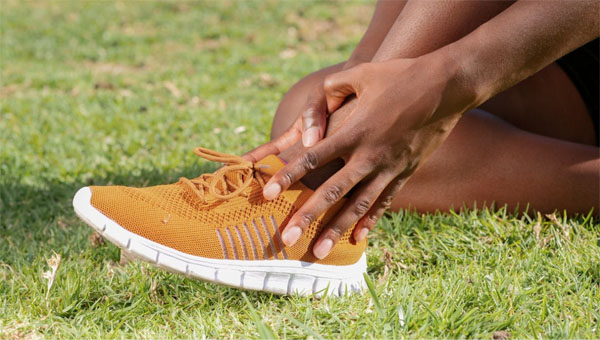
Your knee grinds when you walk upstairs. That shoulder throbs every morning. Joint pain starts small, then suddenly you’re planning your whole day around what hurts.
Surgery feels like the nuclear option. The good news is, plenty of people dodge the operating room and still get their lives back.
Why Going Under the Knife Isn’t Always Smart
Hospitals make most people nervous, and they should. Complications pop up even during routine procedures. Infections develop despite strict cleaning protocols. Blood clots form during recovery without warning. Anesthesia reactions happen more than medical staff admit.
Recovery steals months from your calendar. You’ll need someone to help you shower and cook meals. Work becomes impossible for weeks. Bills keep coming whether you’re healing or not.
The financial hit hurts too. Insurance covers some costs, but you’re still dropping serious money. Co-pays stack up. Deductibles hit hard. Physical therapy sessions aren’t cheap. Most families shell out $10,000 or more when the dust settles.
Your age completely rewrites the risk profile. Someone at 40 heals differently than a person at 68. Older bodies need more time to bounce back. Health issues like diabetes or heart problems make everything riskier. Sometimes the cure creates worse problems than the original pain.
What Really Works Without Surgery
Medicine has evolved past the “cut it open” mentality. Different methods help different bodies. Finding your answer usually means trying a few things.
Getting Stronger the Smart Way
Physical therapy sounds boring until you actually do it right. A sharp therapist watches your movements and catches problems you never noticed. They build workout plans attacking your specific weak spots.
Muscles work like guy-wires holding up a radio tower. Weak muscles mean your joints absorb all the shock. Building targeted strength shifts that burden off painful areas. Most people feel real changes after six solid weeks.
Pool exercises help folks who struggle with land-based workouts. Water holds you up while you move around. You get fitness benefits without hammering sore joints. This approach crushes it for knee and hip problems.
Shots That Bring Real Relief
Dr. Richard Kang, from Core Medical & Wellness uses injection methods that genuinely work. Corticosteroid shots calm angry joints for months. They hit hardest during arthritis flare-ups or fresh injuries.
Hyaluronic acid injections replace the cushioning lost in your joints. Arthritis destroys this stuff faster than your body makes it. The shots top off what’s gone missing. One round often lasts half a year to a full year.
Platelet-rich plasma therapy sounds complicated, but it makes total sense. Doctors pull your blood, spin out healing platelets, then inject them back into damaged spots. Your body’s repair system kicks into overdrive. Results vary, but lots of people get lasting help.
Nerve blocks cut pain signals off at the source. These shots interrupt messages traveling from your joint to your brain. They work great for stubborn chronic pain that ignores other fixes.
Pills and Creams
Medication won’t repair torn cartilage, but it makes daily life bearable. Basic ibuprofen knocks down swelling and pain for most folks. Topical stuff delivers medicine right where you hurt without messing up your stomach.
Some people need stronger prescriptions targeting nerve pain differently. These work through separate brain channels from regular pain meds. They help when standard drugs quit working. Supplements like glucosamine show up everywhere, though science stays iffy on whether they actually do anything.
Daily Moves That Protect Your Joints
Small routine changes often produce surprising payoffs. You don’t need to become a health freak or spend hours at the gym.
Extra pounds hammer your joints constantly. Each pound you carry multiplies by four pounds of pressure on your knees. Drop 10 pounds, and you eliminate 40 pounds of stress per step. That’s why even modest weight loss helps tremendously.
The Arthritis Foundation found that losing just 10% of body weight can cut knee pain in half. Multiple research studies back this up.
Moving regularly keeps joints working smoothly, but the type really counts. Swimming gives you a workout without impact. Cycling builds leg power while your seat supports you. Walking helps if you start slow and ramp up carefully.
Food choices affect inflammation more than people think. Some foods calm things down while others make problems worse. Foods that fight joint inflammation include:
- Salmon, sardines, and fatty fish
- Spinach, kale, and leafy greens
- Blueberries and other berries
- Olive oil over vegetable oils
- Walnuts and almonds
- Fresh ginger and turmeric
Junk food and sugar crank up inflammation across your whole body. Your immune system treats these like invaders and fights back. Cutting back often shows results fast, sometimes within weeks.
Hot and cold treatments cost zero but deliver real help. Ice knocks down swelling after you’ve been active. Heat loosens stiff muscles before workouts. Most people get the best results switching between both.
Signs You Need Professional Eyes on It
Your body sends crystal clear warnings when something needs attention. Catching these early stops small issues from becoming permanent damage.
Sudden sharp pain with visible swelling needs checking now. Joints that buckle or feel unstable demand quick evaluation. These symptoms usually mean torn ligaments or cartilage getting worse without treatment.
Pain sticking around past two weeks deserves a doctor’s look. They can order scans showing what’s happening under your skin. X-rays reveal bone issues and arthritis changes. MRIs catch soft tissue injuries that X-rays miss completely.
Pain wrecking your sleep means trouble. You shouldn’t wake up constantly searching for comfort. Discomfort stopping normal stuff like shopping or playing with kids needs fixing.
The National Institute of Arthritis and Musculoskeletal and Skin Diseases stresses that nailing the diagnosis drives effective treatment. Different problems need different fixes. Arthritis care looks nothing like repairing a torn meniscus.
How Treatment Actually Happens
Non-surgical care usually kicks off with a thorough checkup. Your doctor asks when the pain started, what makes it worse, and what you’ve tried. They test how far you can move and check for swelling or weakness.
Imaging tests typically come next. These create a baseline for tracking progress down the road. Blood work might be needed to rule out rheumatoid arthritis or other inflammatory conditions.
Your treatment plan gets built around your specific mess and goals. A runner with knee pain needs different help than someone with arthritis everywhere, and what you want to accomplish counts too. Getting back to competitive sports requires more aggressive care than just easing daily discomfort.
Progress crawls rather than sprints. Most folks notice something within three to four weeks. Complete relief usually takes months. Sticking with the program beats random bursts of effort every time.
Follow-ups let doctors adjust based on what’s working. What helps your coworker might flop for you. That’s totally normal. This flexible method finds the right mix without rushing toward unnecessary surgery.
Getting Your Life Back
Joint pain doesn’t get to call the shots. Multiple proven options exist that skip operating rooms entirely. Finding what clicks for you takes patience and commitment.
See someone who focuses on bone and joint problems. They can nail down what’s causing pain and suggest appropriate fixes. Moving now stops small annoyances from becoming major roadblocks later.














