
From Messages to Memories: The Magic of Japanese Paper Culture
By Space Coast Daily // January 17, 2026
In a world ruled by instant messages and disappearing notifications, many people are rediscovering the quiet satisfaction of putting words on paper. Japanese stationery—especially letter paper and origami—offers more than nostalgic charm. It provides something modern life often lacks: emotional clarity, creative grounding, and a slower rhythm that helps us reconnect with ourselves. If you’ve ever wished your communication felt more meaningful or your daily routine more intentional, Japanese paper culture opens a gentle door.
Unlike standard paper, Japanese paper carries texture, craftsmanship, and a sense of place. Writing a letter feels different—not rushed, not disposable. Folding a patterned sheet of origami can calm your mind within minutes. This article explores why Japanese paper matters today, how it enriches communication and creativity, and how you can bring it into your own life.
When Paper Slows Us Down: The Quiet Return of Tangible Messages
Most digital messages blend into an endless feed. We type, send, forget. But paper slows us down just enough to notice what we’re saying—and why.
A sheet of paper doesn’t blink or demand a response. You must pause, choose a sheet, pick a pen, and begin writing. Those simple steps create a moment of reflection. You’re not just replying—you’re expressing. And what you write doesn’t disappear. It stays on a desk, tucked between book pages, or inside a drawer, turning into something you may revisit years later.
Tangible messages bring back emotional density. They transform quick thoughts into something deliberate and heartfelt. In a fast world, that weight matters.
The Cultural Heart of Japanese Letter Paper
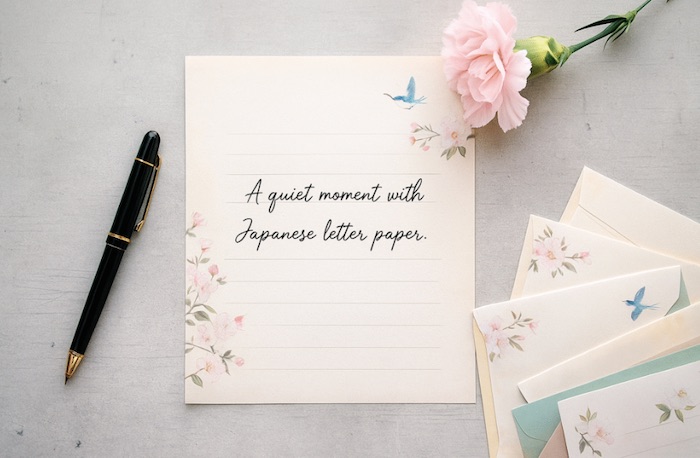
Japanese letter paper has a cultural presence that goes far beyond stationery. Each sheet carries traces of craftsmanship passed down through centuries. Traditional washi was handcrafted from mulberry and other plant fibers, giving the paper an unexpected balance of strength and softness—a texture that feels breathable, warm, and unmistakably human. Even today, modern designs preserve this handmade character through subtle irregularities and gentle resistance under the pen.
Illustrations deepen this cultural identity.
Seasonal blossoms, drifting goldfish, narrow alleyways, tea cups, quiet forests—these motifs reflect kisetsukan, the Japanese appreciation for the shifting seasons. They set the emotional tone before a single word is written, creating a moment of calm that invites the writer to slow down.
This is why many people choose Japanese letter paper when they want their message to feel personal. The paper itself becomes part of the conversation. It encourages sincerity, makes small thoughts feel worthy of being written down, and turns the simple act of choosing a design into the first step of emotional expression.
From Messages to Memories: Why Letters Feel Different
Paper makes expression physical.
A handwritten line shows your pressure, pauses, and mood. The reader can see your real handwriting—its steadiness, hesitations, or little quirks. These subtle marks hold emotion in a way typed text cannot.
Letters also encourage reflection. You think a little longer before choosing your words. You may rewrite a sentence, hesitate over another, or add a detail you would’ve skipped in a text message. Paper asks you to be honest.
This emotional weight explains why people keep letters.
They store them in boxes, journals, books—sometimes for years. The message becomes a memory, preserved not just in words but in the physical traces left by your hands.
If you want communication that feels warm and lasting, handwritten letters offer something digital platforms simply cannot replicate.
More Than Writing: The Artistic Life and Modern Re-Design of Japanese Paper
Japanese paper has evolved far beyond its original role as a writing surface. Today, designers and paper artisans are reimagining washi for modern lifestyles—bringing traditional textures into journaling, gift wrapping, collage art, home décor, and everyday creative routines. Rather than being a nostalgic relic, Japanese paper is becoming a flexible material for expression.
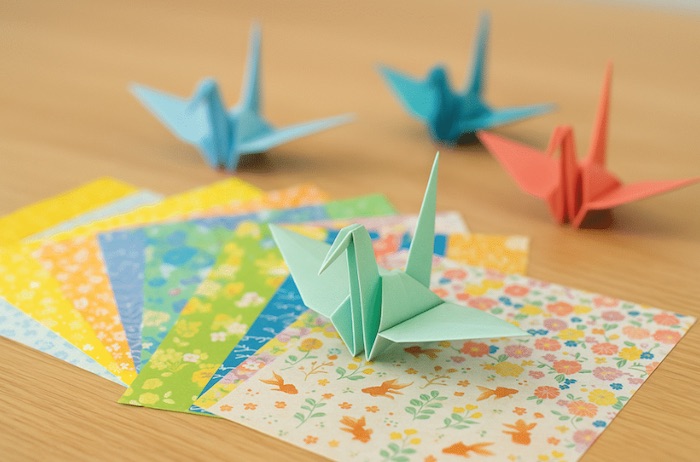
One of the most accessible ways to explore this artistic side is through a thoughtfully curated origami paper set.
These sets reveal how color, pattern, and texture can transform a simple fold into a small creative gesture. A patterned sheet folded into a crane, layered into a journal, or added as a decorative touch to a gift instantly gives everyday moments more personality and intention.
Modern designers blend heritage techniques with contemporary aesthetics in surprising ways:
• traditional fiber textures paired with bold, modern palettes
• natural tones contrasted with playful illustrations
• classic washi qualities adapted for lightweight, daily use
This fusion of old and new keeps Japanese paper culturally alive and creatively relevant. It isn’t old-fashioned—it’s timeless, adaptable, and capable of adding character to any workspace, notebook, or home environment. Japanese paper continues to evolve not by abandoning its roots, but by expanding its artistic possibilities.
Folding Calm: The Creative and Healing Power of Origami
If writing organizes emotions, origami organizes the mind.
Folding paper creates a gentle rhythm. Creasing edges, aligning corners, and smoothing surfaces bring your attention into the present moment. It’s grounding—almost meditative. And because origami doesn’t require expertise, anyone can begin.
People often describe origami as “thinking with the hands.”
The process activates creativity without pressure. A small crane or star doesn’t need to be perfect to feel satisfying. Colorful or textured paper turns even simple folds into small, expressive objects.
In everyday life, origami pieces can:
• mark a meaningful day inside a journal
• accompany a handwritten note
• decorate your workspace
• become a calming ritual before bed
• serve as a thoughtful add-on to gifts
Origami brings quiet joy into places we often overlook.
Why Japanese Paper Still Matters in a Digital World
It’s tempting to see paper as outdated. But Japanese paper survives—and thrives—because it delivers what digital tools cannot.
It gives weight to communication.
It restores connection with ourselves.
It fills spaces with intentional beauty.
It slows the pace just enough to let meaning surface.
Japanese paper doesn’t reject technology; it complements it.
It reminds us that not everything needs to be instant or optimized. Some things—like memories and emotions—grow richer when we take our time.
Conclusion: Small Papers, Big Moments
Japanese paper is small, but its impact is lasting.
A letter captures a moment you want to remember.
A folded shape captures a feeling you want to return to.
Together, they offer what modern life often forgets: softness, sincerity, and space to reflect.
Paper doesn’t compete with technology. It protects what technology overlooks—the human part of communication.
So the next time you want to say something meaningful, or give yourself a few minutes of calm, reach for a sheet of paper.
Sometimes, that’s all it takes.













