
Understanding Glass Awards: Symbolism, Uses, and Impact in Recognition Culture
By Space Coast Daily // January 7, 2026
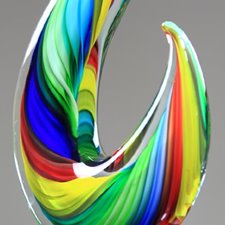
Awards have long held a significant place in human culture as a way to honor achievement, inspire excellence, and create lasting memories. Among the many materials used for crafting awards—such as metal, wood, and acrylic—glass remains a timeless choice. Its unique interplay with light, clarity, and texture makes it particularly suited for commemorating noteworthy accomplishments. This article explores the meaning, design considerations, and enduring appeal of glass awards, including a look at Glass Awards by EDCO Awards & Specialties as an example of how this medium is utilized in contemporary recognition pieces.
The Symbolism of Glass in Awards
Glass carries symbolic weight that goes beyond aesthetics. Historically, glass has been associated with transparency, purity, and reflection. When used in an award, these qualities convey a deeper message:
- Transparency: Suggests honesty and integrity—qualities often celebrated in award recipients.
- Reflection: Literally and metaphorically encourages recipients to reflect on their journey and accomplishments.
- Fragility and Strength: While glass can be delicate, techniques such as thick bases, solid forms, and certain types of glass (like optical crystal) result in pieces that are sturdy, symbolizing both the hard work and resilience of awardees.
This blend of visual elegance and conceptual depth can make glass awards particularly meaningful in contexts where character and achievement are intertwined.
How Glass Awards Are Crafted
Creating a glass award involves a blend of artistry and technical precision. The process typically includes:
- Design Conceptualization: A designer begins with sketches or 3D renderings that balance aesthetic appeal with practical considerations—such as size, legibility of engravings, and stability.
- Material Selection: There are various types of glass and crystal, each with unique properties. For instance, optical crystal is prized for its clarity and refractive qualities.
- Cutting and Shaping: Glass may be cut into geometric or custom shapes using precision tools. These shapes can range from simple rectangles and pyramids to intricate silhouettes that reflect the theme of an event or organization.
- Etching and Engraving: Text, logos, and artwork are added through etching or engraving. Laser engraving allows for crisp details, enabling personalization that honors individual recipients.
- Polishing and Finishing: After cutting and engraving, surfaces are polished to enhance clarity and brilliance. Finishes may include matte elements for contrast or beveled edges to catch and refract light.
Through these carefully orchestrated steps, glass transitions from a raw material into an object of recognition.
Where Glass Awards Are Used
Glass awards are versatile and appropriate across a wide range of contexts:
- Corporate Recognition: Many organizations use glass awards to honor years of service, leadership achievements, or outstanding contributions to team success.
- Academic Ceremonies: Educational institutions may present glass awards to commemorate scholarly excellence, research achievements, or graduating class distinctions.
- Sports and Competitions: In competitive arenas, glass trophies can celebrate top performers, milestone achievements, or championship victories.
- Community and Nonprofit Events: Local organizations often use glass awards to acknowledge volunteers, community leaders, and individuals making a positive impact.
The adaptability of glass in design and engraving makes these awards suitable for formal galas, intimate ceremonies, and everything in between.
The Psychological Impact of Receiving a Glass Award
Receiving an award can have profound psychological effects. Beyond the moment of recognition, it reinforces a sense of accomplishment and belonging. Glass awards, because of their visual beauty and perceived value, often result in:
- Increased Motivation: Recipients frequently cite awards as tangible affirmation of their efforts, boosting future performance and engagement.
- Emotional Resonance: A well-designed award can evoke pride and emotional connection, especially when personalized with names, dates, and meaningful symbols.
- Long-Term Display: Unlike certificates that may remain tucked away, glass awards are typically displayed in offices, homes, or common areas, serving as enduring reminders of achievement.
In this way, glass awards contribute not just to ceremony but to ongoing narratives of success and identity.
Choosing the Right Glass Award
Selecting an appropriate glass award involves a blend of aesthetics, practicality, and symbolic intent. Decision-makers should consider:
- Event Purpose: Is the award for achievement, appreciation, innovation, or service? The design can reflect the underlying purpose.
- Audience: The tastes and values of recipients can inform the style—whether classic and understated or bold and contemporary.
- Customization: Personalized text or imagery enhances emotional relevance and distinguishes individual recognition moments.
- Setting: Awards presented at large-scale events might benefit from bold designs that stand out on stage, while smaller gatherings may call for more intimate pieces.
When thoughtfully chosen, glass awards become more than objects—they become cherished symbols of achievement.
Conclusion
Glass awards occupy a unique place in the landscape of recognition items. Their interplay of light and form conveys symbolic depth, while their craftsmanship speaks to the value of the achievements they represent. From corporate milestones to academic honors and community accolades, glass awards are versatile tools for celebrating excellence. By blending thoughtful design with meaningful personalization, organizations can create recognition pieces that resonate long after the ceremony ends. Whether simple in form or intricate in detail, glass awards continue to reflect the enduring human desire to acknowledge and remember accomplishment.













