How Local News Impacts Personal Injury Cases
By Space Coast Daily // February 17, 2026
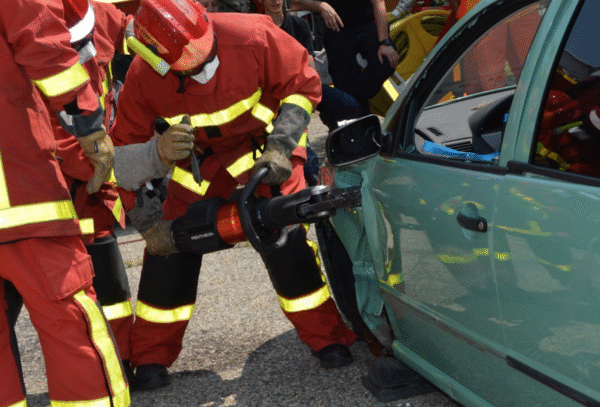
A car collides with another vehicle at a busy intersection. Within hours, local news crews arrive to document the scene, capturing skid marks, traffic signals, and damaged guardrails. Within days, cleanup crews clear debris and repair damage, and many of those details disappear.
Many people don’t realize how much these news reports matter later. Media coverage often provides information that helps establish what happened, preserving details that witnesses forget and conditions that change quickly.
News Reports Document Critical Details
Local reporters often reach accident scenes while evidence remains fresh, creating a permanent record that proves valuable later. Their work goes far beyond simple reporting.
News photographers capture road conditions before cleanup begins. They document weather factors that affect visibility. Traffic cameras and news helicopters capture angles individual witnesses cannot see. These media records become valuable when reconstructing events months or years later.
Potholes that contributed to a crash may be filled within days. Rain or fog that once limited visibility disappears with shifting weather patterns. In contrast, recorded footage preserves those circumstances exactly as they existed. As a result, attorneys and investigators often review archived coverage when evaluating claims.
Attorneys compare witness statements against news photographs to verify accuracy. Insurance adjusters examine news video to understand vehicle damage. Resources like the firm’s website often explain how various evidence types support injury claims during case evaluation.
Media Archives Preserve Evidence Over Time
News organizations maintain extensive digital archives that outlast individual memory. These archives serve multiple purposes in legal proceedings. A reporter’s notes from an accident scene in 2020 remain accessible when cases reach court in 2023.
Archives include several types of helpful documentation, including interview transcripts that capture immediate reactions, weather reports showing exact conditions at incident times, community reactions that provide context, follow-up stories tracking ongoing safety issues, and photographs of scene conditions.
Public records requests can retrieve news coverage that documents dangerous conditions. A grocery store parking lot that caused multiple slip and fall incidents gets documented. Archived news stories establish a pattern of negligence. Property owners who ignore safety violations face evidence from media coverage.
Local news websites also track crime reports and public safety issues. Articles about understaffed security help demonstrate negligence. Stories about inadequate lighting at properties matter when proving owners knew about hazards. This documentation becomes critical evidence during legal proceedings.
News Coverage Shapes Witness Accounts
Media reports influence how people remember events they witnessed or experienced, creating both opportunities and challenges for injury cases. Because of this connection, the relationship between journalism and memory deserves careful examination.
How Media Affects Memory Formation
Psychologists have studied how news coverage affects memory formation and recall. Witnesses who see news reports shortly after incidents sometimes blend observations with media narratives. Their recollections merge personal experience with broadcast details.
News coverage can refresh accurate memories about timing and sequence. Video footage helps witnesses recall details they noticed but forgot. However, repeated exposure to news reports carries risks. Witnesses sometimes remember media descriptions instead of their own observations.
Evaluating Witness Credibility
Attorneys must carefully evaluate whether witness statements reflect personal memory, and court proceedings often examine when witnesses viewed news coverage. Legal teams then assess how media exposure may have shaped testimony.
This scrutiny helps ensure that evidence comes from direct observation. The Federal Rules of Evidence outline how courts evaluate different information sources. Judges consider multiple factors when determining what testimony courts can admit.
Public Records and Reporting Standards
Journalists follow verification standards that make their reporting credible in legal contexts. Professional news organizations fact-check details. They confirm sources and correct errors when discovered. These practices give media reports reliability that casual social media posts lack.
News reports from established publications carry more weight than unverified internet claims. Judges consider several factors:
- Editorial oversight processes
- Reporter credentials and training
- Correction policies and transparency
- Source verification methods
- Adherence to journalism ethics codes
Government databases and official records receive highest credibility. Public agencies follow strict documentation requirements. Police accident reports provide verified facts. Weather service data offers objective atmospheric conditions. Building inspection records document safety violations. News reports that cite these official sources combine journalistic investigation with government verification.

Protecting Your Interests After Accidents
Understanding how media coverage intersects with injury claims helps people respond appropriately. Smart actions in the immediate aftermath make a difference. The steps you take early often affect outcomes later.
Taking personal photographs supplements news coverage with additional angles. Saving news articles creates a backup if media archives become inaccessible. Noting which reporters covered events helps legal teams locate specific footage. These simple actions preserve evidence that supports your case.
People involved in accidents should avoid giving detailed media interviews before consulting legal advice. Statements made to reporters become public records. Opposing parties can use those statements against you. What seems like helpful information sharing might create complications during settlement negotiations.
News coverage serves everyone best when it accurately documents events. Reporters who stick to observable facts create reliable records. Communities benefit from media that holds property owners accountable. Injury victims gain evidence that supports fair compensation for genuine harm.