
How Florida’s Space Coast Communities Are Stepping Up to Help Stray and Lost Cats
By Space Coast Daily // March 27, 2026
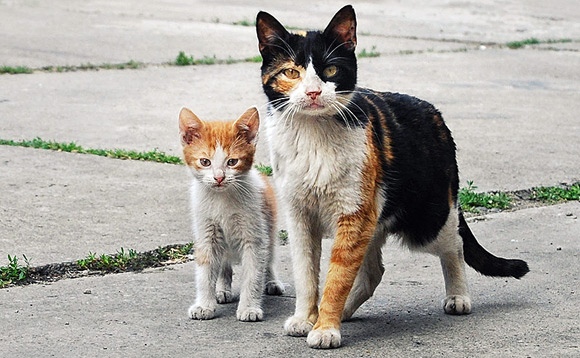
Space Coast Florida is among the most active areas in the nation when it comes to reuniting lost cats with their owners.
In Brevard County neighborhoods and beachside communities in Cocoa Beach and Melbourne, people are using digital tools, grassroots initiatives, and good old neighborly help to help stray, lost, and displaced cats find their way home.
Why There Are So Many Strays and Displaced Cats on the Space Coast
This is a coastal area with a unique set of problems that push cats out of their homes and onto the streets.
The biggest reasons the numbers of stray cats stay high are:
• Hurricane season breaks fences, opens gates, and causes even long-time outdoor cats to lose their sense of direction.
• Snowbird migration means seasonal residents leave or move away every year, sometimes leaving cats behind.
• Florida’s outdoor lifestyle encourages free-roaming behavior, which causes cats to wander further from home.
• Coastal geography creates natural barriers like causeways and waterways that trap lost cats in unfamiliar areas.
After a summer storm ripped through a Brevard County subdivision, the community had to deal with more than fallen trees. There were also disoriented, frightened cats wandering streets they had never seen before.
Feral Cats vs. Lost Pets: Why the Difference Matters
Not every cat you see on the street is homeless. Understanding this distinction is the first and most important step before taking any action.
Feral cats are not socialized and do not like people or indoor environments, and they are unlikely to adapt to living inside. Stray cats, on the other hand, were once domesticated. They may seem cautious at first but tend to warm up to human interaction over time.
This distinction matters because the right response depends on which type of cat you are dealing with:
| Cat Type | Behavior | Best Action |
| Lost pet | Friendly, may wear a collar | Check on PawBoost, report as found |
| Stray cat | Cautious but approachable | Offer food, report to shelter |
| Feral cat | Avoids humans, may be ear-tipped | Contact a TNR program |
An ear tip, which is a small flat cut on the top of one ear, is a universal sign that a cat has already been through a TNR program. That cat is being monitored. It does not need rescuing.
How Reporting a Found Cat on PawBoost Actually Works
Shelter drop-offs are useful, but they are not always the fastest way to reunite a lost cat with its owner. That is where platforms like PawBoost make a real difference.
When you report a found cat on PawBoost, the site instantly notifies nearby owners who may have already posted a lost cat alert in the same area. The matching system works on a radius basis, connecting finders with desperate owners in real time, which is something social media posts alone cannot reliably do.
After storms hit Brevard County, people reported dozens of found cats on PawBoost within just 48 hours. Three of those cats were returned to owners who lived only a few streets away but had no idea their cats had escaped through storm-damaged fencing. That kind of speed is nearly impossible with shelter intake alone.
The benefits of using PawBoost in coastal communities:
• Local owners respond to alerts faster than through word of mouth.
• Found cat reports stay visible and active for weeks.
• Lost cat owners can match directly with your found report.
• It works even in areas where local Facebook group activity is limited.
Space Coast TNR Programs: The Long-Term Solution
For feral cats and long-term strays, Trap-Neuter-Return (TNR) is currently the most effective and humane solution available.
The Space Coast Feline Network has been organizing TNR in Brevard County since 1999. The program has helped more than 14,000 cats and kittens through spays and neuters, preventing an estimated 210,000 additional homeless cats from being born in the area.
The organization holds spay and neuter clinics across Brevard County, providing traps to caretakers and volunteers for catching feral cats. Surgery and vaccinations cost just $40 per cat, and the network uses fundraising to cover costs for caretakers who cannot afford it.
How TNR works, step by step:
• Volunteers trap feral cats using humane live traps.
• Cats are spayed or neutered and vaccinated against rabies.
• An ear tip is applied to mark the cat for future identification.
• The cat is returned to its colony, where a caretaker provides food and water.
• Over time, the colony naturally shrinks as no new kittens are born.
This approach avoids the vacuum effect, where removed cats are quickly replaced by others moving in from nearby. Keeping the colony stable while preventing reproduction causes the total number of cats to slowly decrease without creating openings for new cats to fill.
TNR programs and digital platforms like PawBoost are not competing solutions. They work together. TNR manages the long-term feral population. PawBoost focuses on recovering lost owned cats. Together they cover every kind of cat situation a Space Coast resident might face.
Simple Things Any Resident Can Do
You do not have to be a volunteer or animal welfare expert to make a difference. Anyone can help.
When you spot an unfamiliar cat in your neighborhood:
• Check for identification. Look for a collar, tag, or ear tip before doing anything else.
• Put out water and shelter, but do not immediately bring the cat inside if you have other pets.
• Take a clear photo and report it on PawBoost as a found cat right away.
• Get a free microchip scan at any local pet shelter or veterinary clinic.
• Post in local Facebook groups or on Nextdoor.
• Contact Brevard County Animal Services if the cat appears sick or injured.
• Reach out to the Space Coast Feline Network if you suspect the cat is feral.
The sooner you act, the better the chances of a reunion. Most missing cats are found within a few days when the community responds quickly.
Final Thoughts
The Space Coast of Florida has built something worth recognizing, a community where residents, TNR volunteers, digital platforms, and animal services all work together rather than in isolation. When a storm hits, when a fence comes down, when a cat slips out during tourist season, the system kicks in.
Reporting a found cat on PawBoost takes less than five minutes. That five minutes could be the reason a family gets their cat back. In a community already doing so much through programs like the Space Coast Feline Network, that small action is how every resident can play a part.















