How Video to Video Repurposing with AI Can Cut Costs?
By Space Coast Daily // March 18, 2026
Every marketing team faces the same pressure: produce more content, post more frequently, and keep everything fresh — all without blowing the budget. Original video production remains one of the most effective ways to capture attention, but it is also one of the most expensive. Between scripting, filming, editing, and post-production, a single polished video can cost thousands of dollars and take weeks to complete.
That is why a growing number of creators and businesses are shifting their approach. Instead of starting from scratch every time, they are finding ways to transform and repurpose existing footage into entirely new content. This strategy is not about cutting corners. It is about working smarter with the assets you already have.
How Video-to-Video AI Technology Works?
Traditional video editing requires frame-by-frame adjustments, color grading, motion tracking, and hours of manual work. AI-powered transformation tools take a fundamentally different approach. You upload an existing video clip, describe the style or mood you want to achieve, and the AI reprocesses the footage to match your vision.
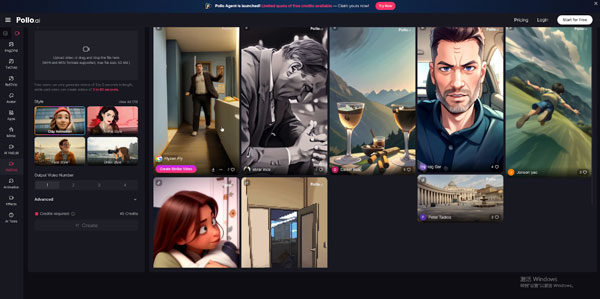
Pollo.ai has built a particularly accessible solution in this space. Its video to video feature lets users upload source footage and apply AI-driven style transformations with just a few clicks. Whether you want to convert a live-action clip into an animated style, shift the color palette to match your brand identity, or add cinematic effects that would normally require professional post-production software, the platform handles the heavy lifting. The original structure and motion of your footage are preserved, while the visual presentation is completely refreshed.
What makes this approach powerful is its flexibility. The same source video can be transformed in multiple directions, giving you a library of variations from a single piece of content. For teams that need to maintain a high posting frequency across several platforms, this capability is a genuine time-saver.
Practical Applications Across Industries
The use cases for AI video transformation extend well beyond social media marketing, though that remains one of the most popular applications.
E-commerce brands are using these tools to create multiple versions of product showcase videos. A single product walkthrough can be restyled with different backgrounds, lighting moods, and visual effects to target different audience segments or seasonal campaigns. Instead of reshooting, brands simply transform the existing footage.
Real estate professionals find value in converting standard property walkthrough videos into more polished, cinematic presentations. AI transformation can enhance lighting, stabilize footage, and apply visual styles that make listings stand out in competitive markets.
Content creators and influencers benefit from the ability to recycle older content with a fresh look. A travel vlog from six months ago can be visually reimagined with new color grading and effects, making it feel current enough to repost or repurpose as part of a compilation.
Social media managers juggling multiple platforms often struggle with format and style differences between channels. A video that performs well on YouTube may need a different energy for Instagram. 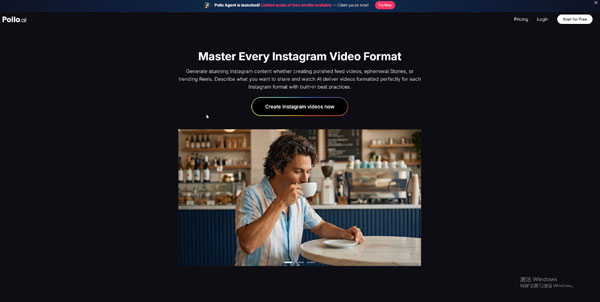
Pollo.ai addresses this directly with its Instagram video creation tool, which is built around the specific dimensions, pacing, and aesthetic expectations of Instagram feeds and Stories. This lets teams adapt content for the platform without rebuilding it from the ground up.
Tips for Getting Better Results from Video Transformation Tools
To get the most out of AI video transformation, start with decent source footage. The AI works with what you give it, so clips with stable framing, reasonable lighting, and clear subjects will produce better results than shaky, poorly lit recordings.
Be specific when describing the transformation you want. Instead of vague instructions like “make it look better,” try describing the mood, color tone, and visual style you are aiming for. Think of it as creative direction — the more precise your input, the closer the output will match your expectations.
Finally, experiment with multiple transformations of the same source clip. One of the biggest advantages of AI tools is their ability to quickly test different creative directions. You might discover that a style you had not originally considered actually resonates better with your audience.
Conclusion
Creating a steady flow of high-quality video content does not have to mean constant production from scratch. By leveraging AI-powered transformation tools, creators and businesses can extend the value of their existing footage, maintain a consistent publishing schedule, and explore creative directions that would have been cost-prohibitive through traditional methods. The smartest content strategies are not always about making more — they are about making the most of what you already have.