
Why Every Fleet Manager Needs Transportation Planning Software to Stay Competitive
By Space Coast Daily // March 31, 2026
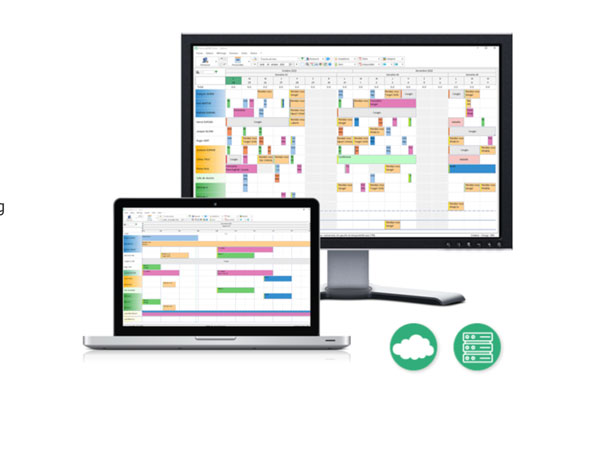 The logistics and transportation industry is moving faster than ever. Customer expectations are higher, fuel costs continue to fluctuate, and competition grows more intense with every passing year. Fleet managers who still rely on spreadsheets, phone calls, and manual scheduling are finding it increasingly difficult to keep up. The businesses pulling ahead are the ones embracing smarter tools. At the core of that shift is transportation planning software, a category of technology that is redefining how modern fleets operate, schedule, and scale.
If you manage a fleet of any size and have not yet adopted a dedicated planning solution, this article breaks down exactly why that decision is costing you more than you realise.
The Hidden Cost of Manual Planning
Most fleet managers underestimate how much time and money goes into manual route planning. Assigning drivers, checking vehicle availability, accounting for time windows, and adjusting for last minute changes can consume hours every single day. That time is not free. It is pulled directly from productivity that could be spent on growing the business, improving customer relationships, or solving operational problems.
Beyond wasted time, manual planning leads to avoidable mistakes. A missed delivery window, a double booked driver, or a poorly sequenced route can trigger a chain reaction of unhappy customers, increased fuel spend, and driver overtime. These costs are easy to overlook when they appear as small line items, but they compound quickly across a fleet operating every day of the week.
What Transportation Planning Software Actually Does
Transportation planning software does far more than plot routes on a map. A modern platform handles the entire operational workflow from initial scheduling to final delivery confirmation. Here is what a capable solution brings to your fleet:
• Automated route scheduling that accounts for driver availability, vehicle capacity, and customer time windows simultaneously
• Multi vehicle planning from a single dashboard so dispatchers are never juggling multiple tools or spreadsheets
• Real time GPS tracking to monitor driver progress and respond instantly to delays or disruptions
• Driver compliance management to enforce break schedules, shift limits, and hours of service regulations automatically
• Proof of delivery capture through digital signatures and photos, eliminating paperwork and disputes
• Performance analytics that reveal inefficiencies and help managers make smarter decisions over time
Staying Competitive in a Demand Driven Market
Today’s customers expect real time updates, narrow delivery windows, and zero tolerance for errors. Meeting those expectations consistently is nearly impossible without technology doing the heavy lifting behind the scenes. Businesses that invest in smarter planning tools can commit to tighter service promises and actually keep them, which translates directly into customer retention and repeat business.
Consider what happens when a competitor down the street can confirm delivery times with precision while your team is still calling customers to give estimated windows. That gap in service quality is felt immediately. Over time, it becomes the reason customers switch. Transportation planning software closes that gap by giving your operations the same level of reliability and visibility that large enterprises have built their reputations on.
Fuel Savings and Cost Control
Route optimisation is one of the most measurable benefits of transportation planning software. By calculating the most efficient sequence of stops based on location, traffic conditions, and delivery constraints, the software consistently reduces total mileage driven per shift. Less mileage means less fuel consumed, less wear on vehicles, and fewer maintenance costs over the life of your fleet.
For a fleet making dozens of deliveries every day, even a ten percent reduction in mileage adds up to significant savings over a year. Those savings can be reinvested into expanding capacity, hiring additional drivers, or improving customer experience in other ways. The software essentially pays for itself through operational efficiency alone.
Scalability Without Added Headcount
One of the most overlooked advantages of transportation planning software is how it allows businesses to scale operations without proportionally increasing headcount. A dispatcher using manual methods might handle ten to fifteen drivers comfortably before the workload becomes unmanageable. The same dispatcher using an automated planning platform can oversee double or triple that number with far less daily stress.
This matters enormously for growing businesses. When a new contract arrives or seasonal demand spikes, the bottleneck should never be the scheduling process. Software handles the complexity of more vehicles, more stops, and more drivers without requiring a new hire to manage the extra load. That is a competitive advantage that compounds as the business grows.
Driver Satisfaction and Retention
Fleet managers often focus on the operational side of transportation planning software but underestimate its impact on the driver experience. Drivers who receive clear, optimised routes through a mobile app start their day with confidence rather than confusion. They are not second guessing stop sequences, hunting for addresses, or dealing with routes that push them into unnecessary overtime. That clarity reduces stress and fatigue.
Driver turnover is one of the most expensive challenges in fleet management. Recruiting, onboarding, and training a replacement driver costs thousands of dollars and disrupts operations for weeks. When drivers feel supported by good tools and fair workloads, they stay longer. Transportation planning software contributes to that retention by making every shift more manageable and less chaotic.
The Right Time to Switch Is Now
Some fleet managers delay adopting new software because change feels disruptive. The reality is that modern transportation planning platforms are designed to be intuitive, with most teams fully operational within days rather than weeks. The short term adjustment period is negligible compared to the long term gains in efficiency, cost savings, and competitive positioning.
The logistics industry is not slowing down. Consumer demand is growing, delivery windows are shrinking, and the bar for operational excellence keeps rising. Fleet managers who act now put their businesses in a stronger position than those who wait until the gap becomes undeniable.
Staying competitive in fleet management today requires more than experience and hard work. It requires the right tools. Transportation planning software brings automation, intelligence, and visibility to every part of your operation, from scheduling and routing to driver management and customer communication. The fleet managers who embrace this shift are not just surviving a demanding industry. They are leading it.













