
Why Homebuyers Are Choosing Communities with Parks, Lakes, and Trails
By Space Coast Daily // March 15, 2026
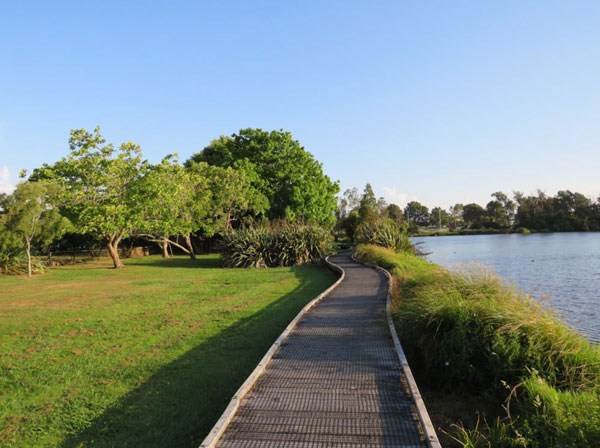
Homebuyer priorities have changed noticeably in recent years. In 2026, many buyers are focusing less on sheer square footage and more on how a neighborhood supports everyday living. A large home still matters, but people increasingly want surroundings that improve their routines. Access to green space, walking trails, and water views now plays a major role in decision-making. Families, professionals, and remote workers are all looking for environments that support balance, health, and relaxation.
Location plays an important role in making this lifestyle possible. Areas near Houston, including Waller County in Texas, have become popular for residential developments that offer open space while still providing access to a major metropolitan area. Buyers who work in the city often prefer neighborhoods that feel peaceful at home but remain connected to employment centers and everyday services.
The Serenity of Country Living: Privacy, Space, and Nature
Many homebuyers are moving away from densely packed suburban neighborhoods toward communities that offer privacy and open space. Large homesites and preserved landscapes allow residents to enjoy quieter surroundings without sacrificing modern comfort. Instead of traffic noise and crowded streets, these neighborhoods provide tree-lined roads, natural views, and room to relax outdoors. This growing demand reflects a broader shift toward communities that prioritize space, natural surroundings, and a slower pace of everyday living.
Communities built around scenic landscapes and water features are becoming especially desirable because they combine privacy with long-term value. One example is Lakeview in Waller, TX where the community is designed around open landscapes and a scenic 45-acre lake. Larger properties give homeowners the freedom to create outdoor gathering areas, gardens, and personal recreation spaces without feeling crowded by nearby homes. At the same time, carefully planned amenities and infrastructure keep the neighborhood connected and convenient. This combination of privacy, natural surroundings, and shared community features continues to attract buyers looking for a more peaceful place to call home.
The Biophilic Shift: Why Buyers Prioritize Mental Wellness and Natural Light
The idea of biophilic living has become increasingly influential in residential design. It focuses on connecting people with nature through architecture, landscaping, and community planning. In practice, this means homes positioned to capture natural light, neighborhoods filled with trees, and walking paths that weave through preserved green space.
These features contribute to everyday well-being in simple ways. Natural surroundings encourage residents to spend more time outside, whether they are taking a short walk or meeting neighbors in a nearby park. Communities that follow the “Wild Luxury” trend often use native plants and naturalistic landscaping to create a setting that feels calm and visually balanced. For many buyers, these design choices make a neighborhood feel healthier and more welcoming.
Lakeside Living as a Value Anchor
Waterfront settings have long held strong appeal, and that demand remains consistent in today’s housing market. Homes located near lakes tend to attract buyers who value scenic views and recreational opportunities. Even small water features can transform a neighborhood’s character by creating peaceful gathering spots and open vistas.
From an investment perspective, proximity to water can also support long-term value. Waterfront land is limited, which makes it naturally desirable. Buyers often view lakeside homes as both lifestyle upgrades and financial assets. Communities that include lakes for kayaking, fishing, or simple relaxation offer experiences that standard neighborhoods cannot easily replicate, which helps sustain demand over time.
Active Lifestyles: The Growing Importance of Integrated Trail Systems
Modern buyers pay close attention to how a neighborhood supports everyday health. Integrated trail systems have become a key feature in many planned communities because they make physical activity convenient. Residents can step outside their front door and immediately access walking paths or bike routes. This removes the need to drive to a park or gym for simple exercise.
Trail networks also encourage consistent routines. Parents can walk with strollers, children can ride bikes safely, and many residents use the paths for morning runs or evening walks. These small daily habits add up over time. Communities that promote outdoor movement appeal to buyers who want wellness built into their environment.
Community Socialization: How Parks and Pavilions Bring Neighbors Together
Shared outdoor spaces play an important role in shaping how neighbors interact. Parks, playgrounds, and covered pavilions create natural gathering points where residents can spend time together. These areas often host informal activities such as family picnics, birthday celebrations, or weekend sports.
Over time, these shared experiences help build stronger neighborhood connections. Parents meet while their children play, and neighbors develop friendships through regular interaction. Buyers increasingly value communities that support these social moments. A well-designed park becomes more than a green space. It becomes part of daily life within the neighborhood.
The “Space to Breathe” Trend: Acreage Living with Shared Green Belts
Another noticeable shift in buyer preferences involves larger homesites. Many families want more personal outdoor space while still enjoying the benefits of a planned community. Acreage lots offer privacy, flexibility, and space for outdoor activities like gardening or entertaining.
At the same time, shared green belts help maintain a unified natural landscape across the neighborhood. These preserved areas prevent overdevelopment and protect open views. Buyers appreciate this balance because it offers personal space while maintaining the visual appeal of a carefully planned environment.
Investment Security: Why Nature-Focused Communities Hold Their Value
Homes located near parks, lakes, and trails often maintain strong market demand. Buyers consistently show interest in neighborhoods that provide outdoor amenities and natural surroundings. Because these features are difficult to replicate, they create a sense of long-term desirability.
In a positioning-driven housing market, lifestyle appeal plays a major role in property value. Communities that combine thoughtful design with natural features tend to stand out from standard developments. This distinction helps maintain buyer interest and supports steady appreciation over time.
Investing in Lifestyle and Long-Term Value
Nature-centered communities reflect a clear change in what modern buyers expect from where they live. Access to parks, lakes, and trails supports healthier routines, stronger neighborhood connections, and more enjoyable daily living. These features also strengthen property demand by creating environments that feel both distinctive and desirable.
For many families and professionals, choosing a home in a community designed around nature offers benefits that extend beyond the property itself. It supports a balanced lifestyle while also providing long-term value in a competitive housing market.















