
Health First Participates in Massive ‘Operation Skyfall’ Drill Across Brevard County, Testing Mass Casualty Response
By Space Coast Daily // April 9, 2026
The exercise included more than 2,000 students
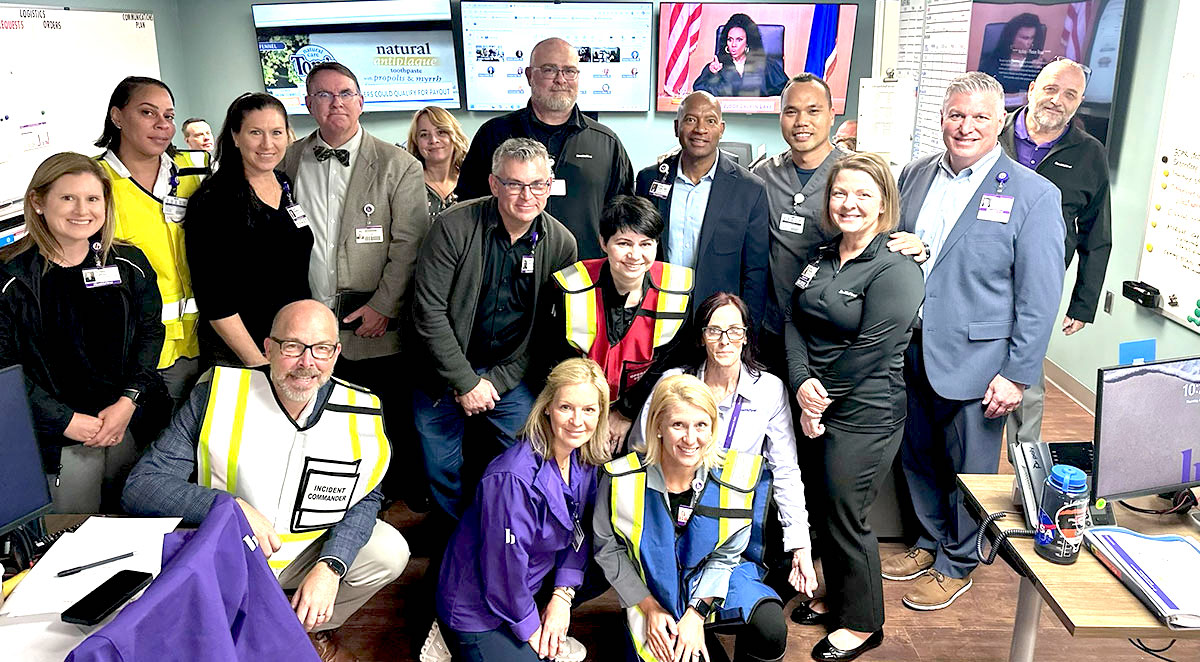
“Operation Skyfall” drill simulated widespread terrorist activity designed to test patient surge capabilities at all four Health First hospitals.
BREVARD COUNTY • MELBOURNE, FLORIDA – As part of one of the nation’s largest mass casualty drills to date, Health First’s four Brevard County hospitals today participated in an annual large-scale mock disaster preparedness drill showcasing Brevard County’s largest healthcare system’s abilities to respond to the worst-of-the-worst community emergencies.
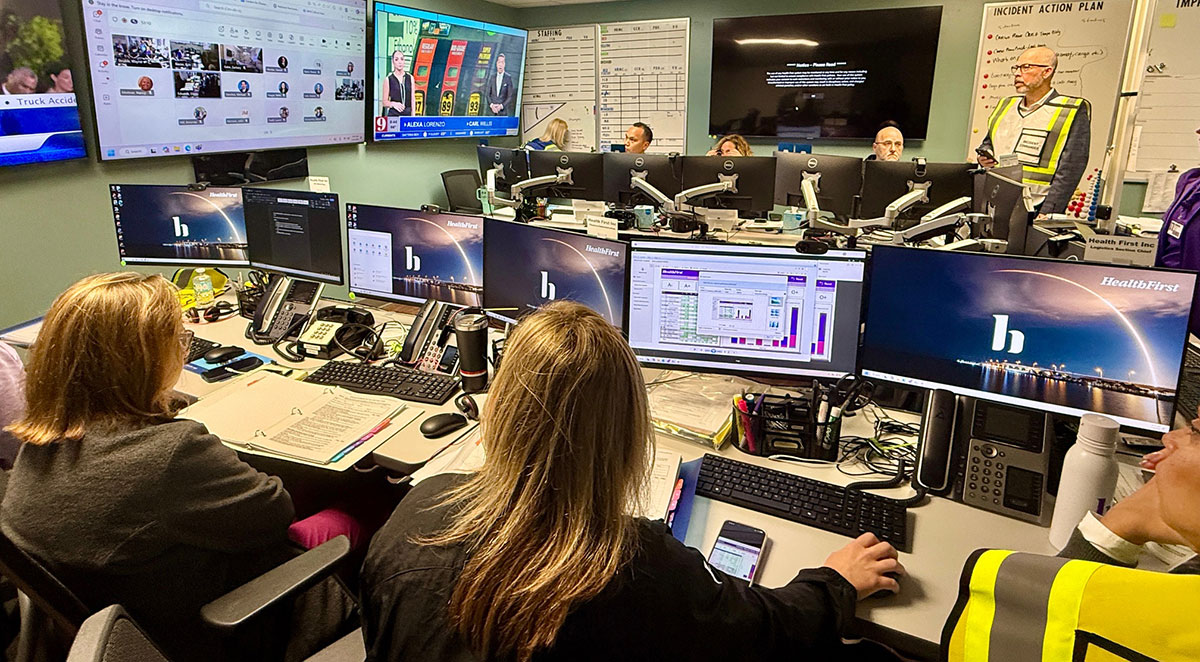
The drill simulated a large-scale mass-casualty preparedness exercise titled “Operation Skyfall,” in which “patient” actors were diverted to, and received by, hospital emergency departments across the Central Florida region – including Holmes Regional Medical Center, the region’s only Level II Trauma Center.
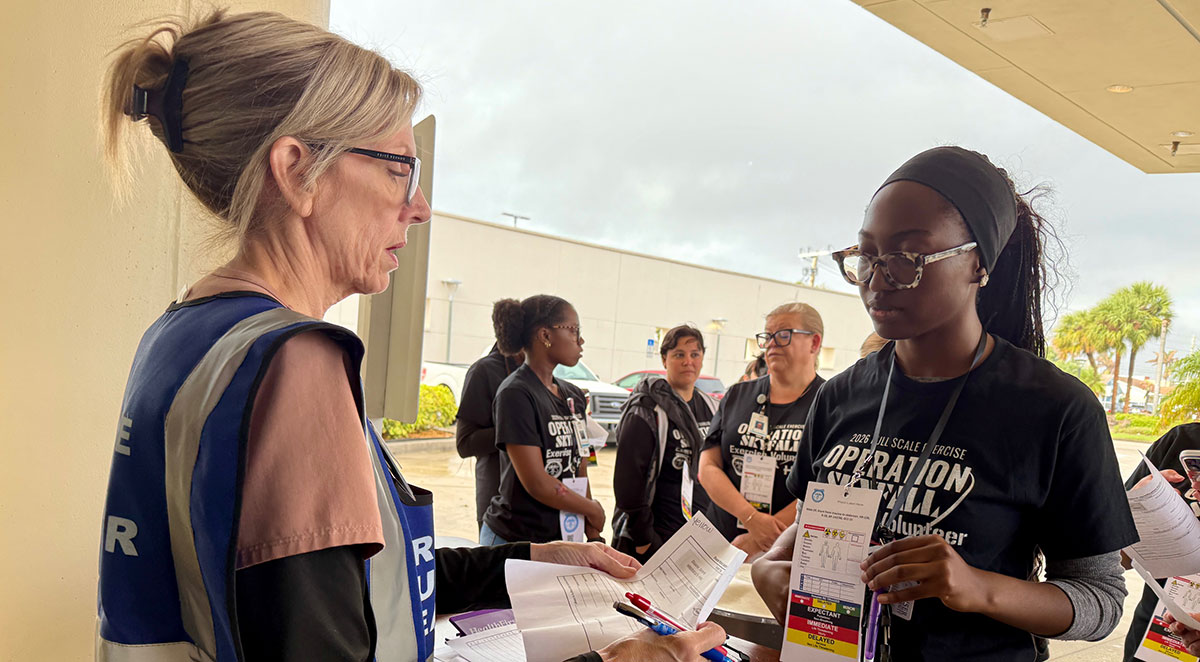
The exercise included more than 2,000 students with triage tags and simulated injuries, and is designed to stress hospital emergency rooms across Central Florida, testing the hospitals’ ability to handle mass-casualty events.
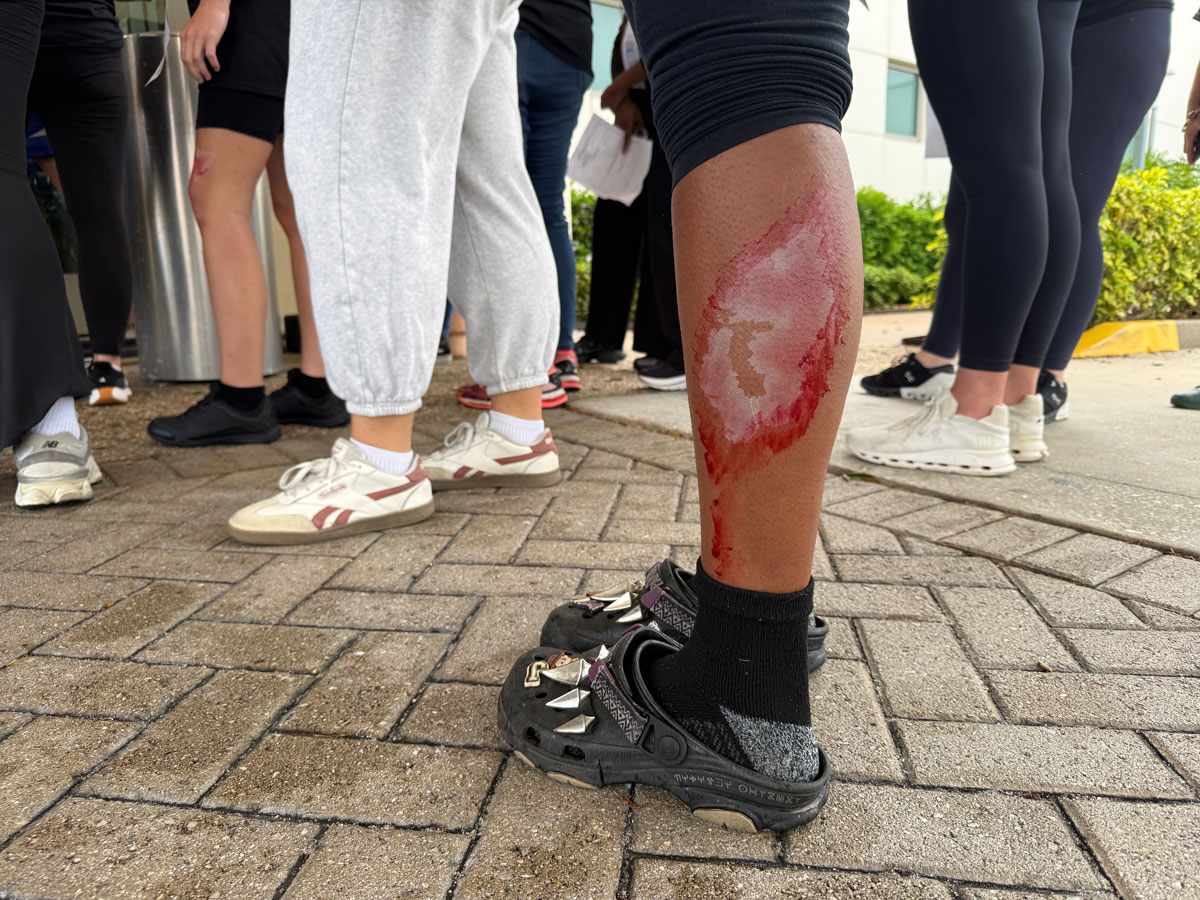
The annual drill was coordinated by the Central Florida Disaster Medical Coalition, and supported by more than 100 partner agencies, including emergency management, schools, EMS, law enforcement, hospitals, public health, and many others.
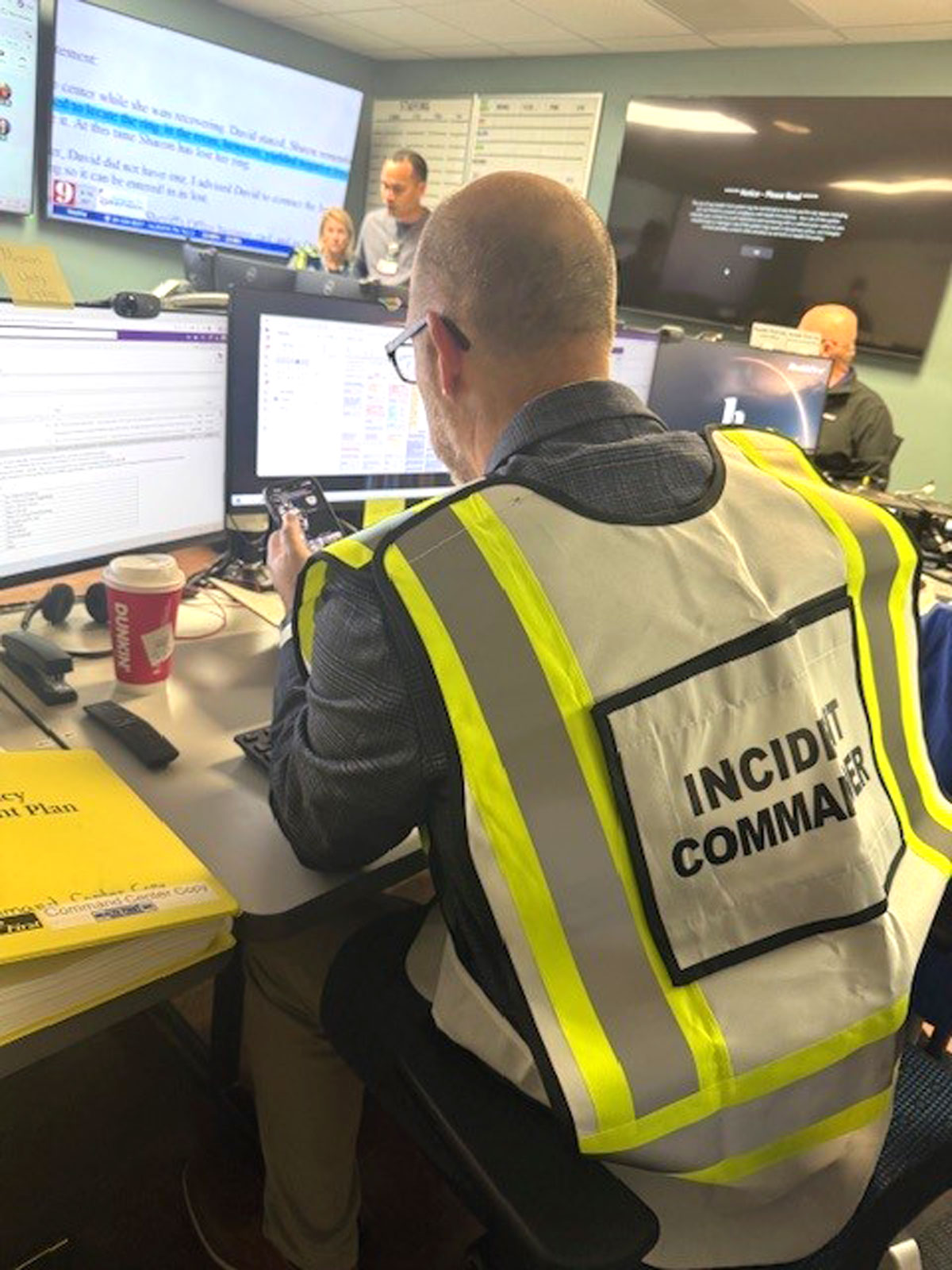
“These large-scale drills incorporate a tremendous amount of planning, coordination, communications, and logistics at a very high level – across many counties and agencies, and they are designed to literally stress test our hospitals during the height of a normal day,” said Danny Hensler, Health First’s emergency preparedness manager.
“In our case, we are still very busy here in Brevard County, as many people are still here visiting on spring break, and we have our snowbirds. Our hospitals – particularly our emergency rooms – are extremely busy. There is absolutely no better time to test our capabilities and system-wide response than when we are already busy.
“At the conclusion of every drill, we take stock of what worked well, what didn’t. We look for many ways to improve – at every level. But in the end, every opportunity we have to drill, especially in an event of this size and scale, we consider the exercise to be a tremendous success. Our physicians, nursing staff, associates, and stakeholders all understand that we exist, operate, train, and prepare for moments just like today, and our ultimate goal is to find ways to be better in the event we ever experience a real mass casualty event,” Hensler continued.
Today’s regionwide event included:
• Over 90 Central Florida hospitals
• Decontamination tents erected outside hospital ERs
• 2,200+ student victim volunteers
• Dozens of emergency management offices and EMS agencies
• FBI agents and law enforcement officials
• Many other partner agencies
“During times of global uncertainty and conflict, it is essential that the emergency management and healthcare communities remain prepared for all hazards. Complex coordinated attack scenarios represent a plausible threat that could significantly strain both healthcare systems and emergency response capabilities,” said Alan Harris, MS, CEM, FPEM, NEMEA, Director, Seminole County Office of Emergency Management.
“Exercises like this allow emergency management and response partners to strengthen coordination, refine critical skills, and ensure we are prepared to manage large-scale disasters while continuing to respond effectively to everyday emergencies.”















