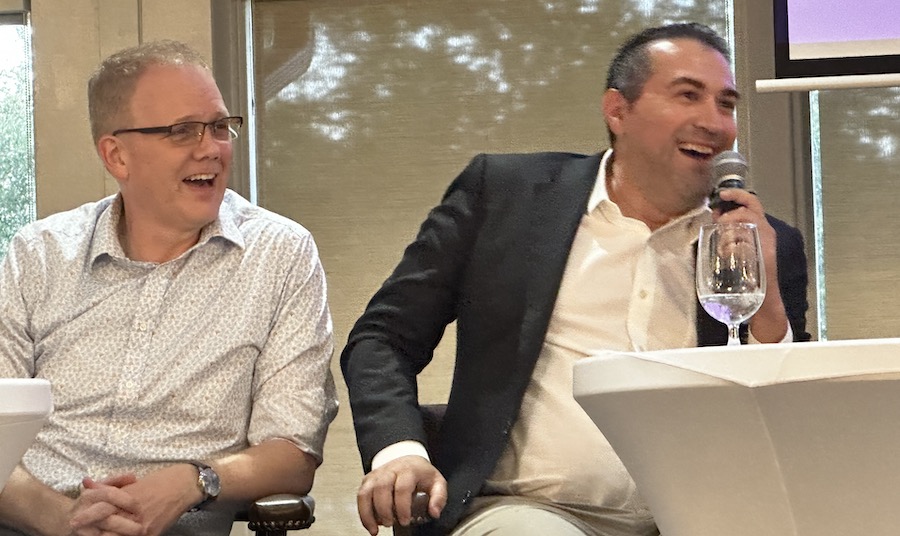
From Mammograms to Menopause: Health First Panel Gives Women Real Answers
By Space Coast Daily // May 19, 2026
event highlights the importance of preventive care and early detection at any stage of life
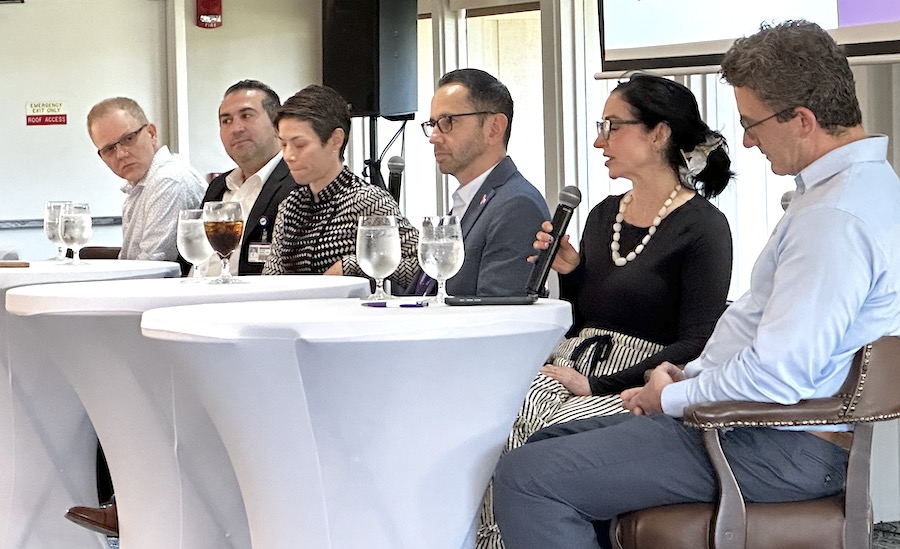
Space Coast women’s health physicians share practical guidance on screenings, symptoms, and what not to ignore at the Women’s Health Event
BREVARD COUNTY, FLORIDA – Andrea Sasson came to the Health First Women’s Health Event for a couple of reasons.
The 37-year-old West Melbourne resident said the topic of women’s health spoke to her both professionally and personally.
“I’m just very intrigued by women’s health, as a young woman,” Sasson said. “And I work for the American Cancer Society, and Health First is actually a big partner of ours.”
Sasson came not only to support her partner organization, but to learn more about what she can do to steer her health in the right direction.
Personal curiosity and public health drove the May 5 event at Suntree Country Club, “Let’s Taco ’Bout Women’s Health.” Held on Cinco de Mayo, the event featured a Q&A session with women’s health experts from Health First.
It was a candid conversation, with attendees asking questions about preventive screenings, breast health, menopause, hormone therapy, sexual health, and more.
At its core, the message from physicians was simple: speak up, especially when something doesn’t feel right.
The panel brought together specialists in gynecology, gynecologic oncology, breast surgery, breast oncology, urogynecology, and plastic surgery, each offering a different lens on women’s health.
The gathering takes place during Women’s Health Month, which highlights the importance of preventive care and early detection at any stage of life.
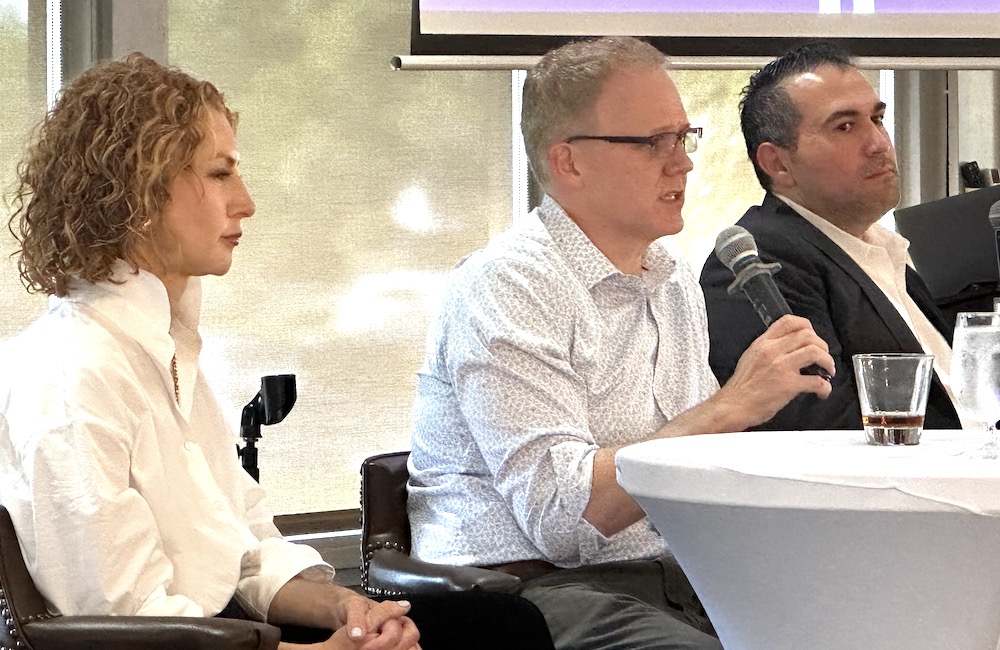
Preventive Care: A must
Women shouldn’t wait until they suspect a problem to see a provider.
Scott Bovelsky, MD, gynecology, emphasized that the most important steps are often the most routine — and the easiest to put off.
“I see a lot of these things that are very preventable,” Bovelsky said of mammograms, colonoscopies, and other screenings. “And so many people just don’t want to do it, and it’s a shame.”
Health experts recommend routine screenings, such as annual mammograms starting at age 40, regular cervical cancer screenings, and colon cancer screenings beginning at age 45 for those at average risk.
Levent Mutlu, MD, a gynecologic oncologist, pointed to an important warning sign after menopause.
“After that, any kind of bleeding is abnormal,” he said.
Mutlu emphasized the importance of knowing what’s normal — and what’s not — especially as women age.

Breast Health Basics
Breast health was a major focus, with early detection a consistent theme. And one message came through clearly: “The bottom line is, mammograms save lives.”
Mustafa Amani, MD, breast surgery, echoed that point, emphasizing mammograms’ role in reducing deaths from breast cancer.
“When it comes to breast cancer, early detection is paramount,” Amani said. “Mammograms have been shown over and over again to significantly decrease mortality.”
Sharon Noori, MD, breast surgery, addressed confusion around dense breast tissue.
“Ultrasound is not a replacement for mammography,” Noori said, noting it’s an adjunct to mammography. “Mammography remains the gold standard.”
For many women, that means keeping up with annual mammograms and understanding personal risk factors that may call for earlier or more frequent screening.
George Collis, MD, plastic and reconstructive surgery, also addressed questions about breast implants, noting that “in general, yes, breast implants are safe.”
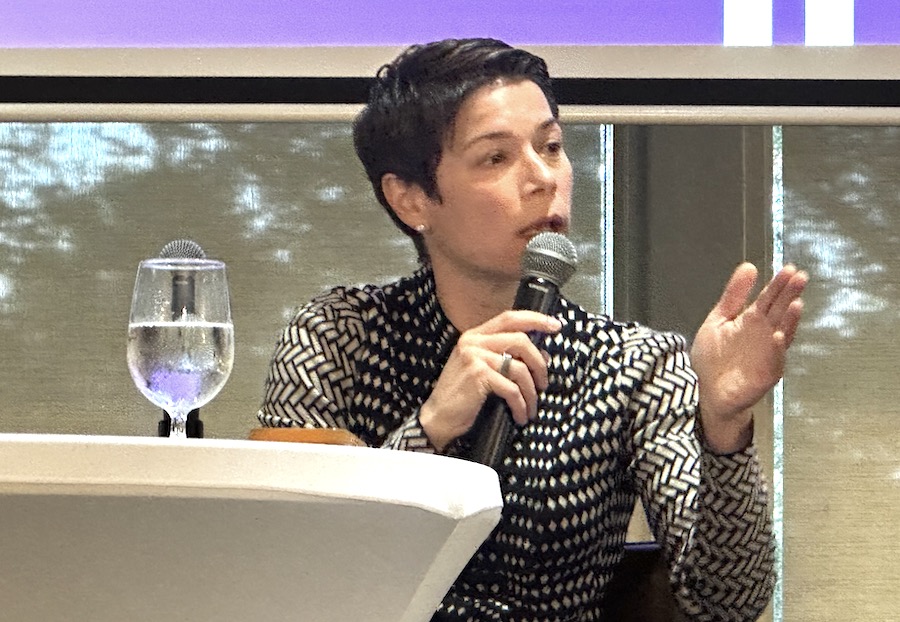
Emerging Cancer Tools
Gulden Menderes, MD, in gynecologic oncology, introduced a discussion of emerging tools, including circulating tumor DNA (ctDNA).
Menderes explained how the technology helps determine whether a treatment plan is working or if another strategy is needed.
“It’s not a one-size-fits-all approach,” Mutlu added. “It’s very individualized.”
Menopause and Hormones
For many women, menopause is a major transition point — and one where questions about symptoms, treatment options, and long-term health risks often surface.
Menopause and hormone replacement therapy (HRT) came up often, with questions about what to expect from hormone testing.
Carey Andreoui, DO, urogynecology, said menopause is based on symptoms and history – not just lab results.
“Menopause is a clinical diagnosis,” Andreoui said. “If you don’t have a period for 12 months, you’re menopausal.”
Panelists also tackled vaginal estrogen. Menderes highlighted its impact on women’s quality of life.
“It is extremely safe,” Menderes said. “It is not going to increase your risk of breast or GYN cancers, and it’s going to improve your quality of life significantly.”
Panelists also highlighted prevention, including the human papillomavirus (HPV) vaccine, which begins in preteens, with catch-up through age 26, and some adults up to 45 may still benefit.