
Overcoming Trauma: How BetterHelp’s Online Therapy Can Help
By Space Coast Daily // April 6, 2026
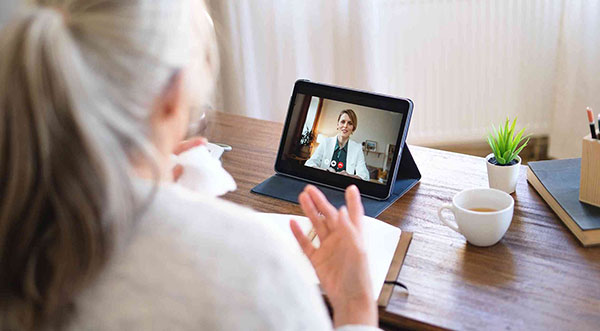
Trauma touches more lives than most people realize. According to the National Institute of Mental Health, approximately half of all U.S. adults will experience at least one traumatic event in their lifetime. Globally, research published in Psychological Medicine found that over 70% of people across 24 countries reported exposure to a traumatic event, with nearly one-third exposed to four or more. Yet, despite how common trauma is, many survivors go without professional support, held back by stigma, cost, geographic barriers, or simply not knowing where to turn. For millions of people navigating that gap, online therapy platforms like BetterHelp have become a meaningful point of access to professional mental health care.
What Is Trauma, and Why Does It Demand Attention?
Trauma is broadly defined as an emotional or psychological response to a deeply distressing event or series of events. SAMHSA describes trauma as resulting from experiences that cause physical harm, emotional harm, or a life-threatening situation, and acknowledges that trauma has no boundaries when it comes to age, gender, race, or socioeconomic status. Common sources include accidents, natural disasters, violence, combat, sexual assault, childhood abuse, and the sudden loss of a loved one.
Left unaddressed, trauma can reshape how a person thinks, behaves, and relates to others. Symptoms frequently include intrusive memories or flashbacks, sleep disruption, emotional numbness, hypervigilance, difficulty concentrating, and withdrawal from relationships. When these symptoms persist for more than a month and significantly impair daily functioning, a diagnosis of post-traumatic stress disorder (PTSD) may apply. The VA’s National Center for PTSD estimates that approximately 6% of U.S. adults will have PTSD at some point in their lives, with women nearly twice as likely as men to develop the condition.
Still, PTSD represents only part of the picture. Many individuals experience lasting psychological distress from trauma without meeting the full clinical criteria for a PTSD diagnosis. Anxiety, depression, difficulties with trust, and chronic shame are all well-documented outcomes of unprocessed traumatic experiences. The need for accessible, evidence-based support is substantial, and it is one of the areas where online therapy has made a measurable difference.
Evidence-Based Approaches to Trauma Recovery
Mental health professionals have developed several well-researched treatment methods for trauma and PTSD. Understanding these approaches can help individuals make informed decisions about the kind of support they seek.
Cognitive Behavioral Therapy (CBT) is among the most widely studied and used treatments for trauma. As BetterHelp explains on its platform, CBT helps clients identify and restructure the thought patterns that fuel distress, teaching concrete coping strategies and problem-solving skills. A specialized variant, Cognitive Processing Therapy (CPT), focuses specifically on changing how a person thinks about the traumatic event itself, addressing beliefs rooted in guilt, shame, and self-blame that often persist long after the event has passed.
Eye Movement Desensitization and Reprocessing (EMDR) is another evidence-backed approach with a strong track record in trauma treatment. Developed by American psychologist Dr. Francine Shapiro, EMDR guides clients to process traumatic memories while engaging in bilateral sensory stimulation, typically through guided eye movements. The World Health Organization recommends EMDR as a first-line treatment for PTSD, and research has consistently supported its effectiveness. The U.S. Department of Veterans Affairs also strongly encourages EMDR for veterans experiencing trauma from combat and other service-related events.
Prolonged Exposure (PE) therapy, Dialectical Behavior Therapy (DBT), mindfulness-based interventions, and Internal Family Systems (IFS) therapy are additional modalities with documented value in trauma treatment. The shared thread across all of these approaches is that healing is possible with the right professional support. BetterHelp therapists are trained across more than 400 therapeutic modalities, allowing for a highly individualized treatment experience.
How BetterHelp Supports Trauma Recovery
BetterHelp operates the world’s largest online therapy network, with over 30,000 licensed mental health professionals serving clients across the United States and more than 100 countries. Every therapist on the platform holds a valid state license, has completed a minimum of 1,000 hours of supervised clinical experience, and passes a thorough background check before joining the platform. The network includes licensed clinical social workers (LCSW), licensed professional counselors (LPC), marriage and family therapists (LMFT), and psychologists with doctoral degrees, practitioners who, in many cases, specialize in trauma-informed care, PTSD, and grief.
For trauma survivors specifically, the matching process is particularly relevant. When new users complete an intake questionnaire, they can indicate that trauma or PTSD is a primary concern, allowing the platform’s system to prioritize therapists with experience in trauma-focused treatment. Top10.com’s review of online trauma therapy services named BetterHelp as its top pick overall, citing the breadth of available trauma treatment methods, including DBT, EMDR, and trauma-focused counseling, and the speed with which clients are typically matched. Most users are connected with a therapist within 24 to 48 hours of signing up.
One practical advantage of online therapy for trauma survivors is the control it affords over the therapeutic environment. Survivors of certain traumas, particularly sexual assault, domestic violence, or abuse, may find in-person environments triggering or uncomfortable, especially early in treatment. The ability to engage with a therapist from a familiar, self-chosen space can make a meaningful difference in a person’s willingness to begin therapy at all, or to stay consistent with it.
Communication Flexibility as a Therapeutic Tool
BetterHelp offers four distinct communication formats: live video sessions, phone calls, live chat, and asynchronous messaging. Clients can mix and match these formats based on what feels most manageable at any given time, an especially important feature for trauma survivors, who may have periods when a full video session feels overwhelming but still benefit from maintaining contact with their therapist.
Asynchronous messaging deserves particular attention in the context of trauma therapy. Therapists typically respond to messages throughout the day, meaning clients can share thoughts, reflections, or distress between scheduled sessions rather than waiting a week for their next appointment. For individuals processing difficult material, this continuity can prevent the isolation that sometimes amplifies trauma symptoms. The availability of between-session support has been cited as one of the platform’s distinguishing features, with data from BetterHelp’s 2024 outcomes report showing that 69% of users actively engage with additional support features between formal sessions.
For those who are new to therapy, a group that represented 40% of BetterHelp’s new members in 2024, this graduated approach to communication can serve as a gentler on-ramp. Starting with messaging before moving to a live session allows clients to build trust and comfort at their own pace, which aligns well with the trauma-informed care principle of prioritizing safety and client agency.
What the Research and Data Show
The clinical evidence for online therapy’s effectiveness in treating trauma and PTSD has grown considerably. Studies have found that internet-delivered cognitive behavioral therapy produces outcomes comparable to in-person treatment for PTSD symptoms. Research published through the U.S. Department of Veterans Affairs has specifically examined whether online CBT matches the effectiveness of traditional delivery for trauma, with results that support digital delivery as a viable treatment modality.
Platform-level data from BetterHelp reinforces these findings. Across all conditions, including trauma, anxiety, and depression, 72% of users reported symptom reduction within the first 12 weeks of therapy, with 62% achieving symptom remission. These results were tracked using standardized clinical instruments, including the PHQ-9 for depression and the GAD-7 for anxiety, administered approximately every 45 days. Live therapy sessions received an average client rating of 4.9 out of 5 based on more than 1.7 million ratings submitted in 2024.
Client satisfaction data further supports these outcomes: 82% of clients in treatment reported they would recommend their therapist to others, a figure that speaks to the quality of the therapeutic relationships being formed in the online environment. These numbers are not universal, and individual outcomes vary, but they provide a meaningful signal about what consistent engagement with a qualified therapist can accomplish.
Accessibility, Cost, and Important Limitations
BetterHelp’s subscription model costs between $70 and $100 per week, billed weekly or monthly, which can make it substantially more affordable than the average out-of-pocket cost of traditional in-person therapy in the United States. Subscription pricing based on factors such as a user’s location, referral source, preferences, therapist availability, and any applicable discounts or promotions that might apply. Financial assistance is available for qualifying users. The platform also accepts insurance in select states, and actual costs vary depending on therapist availability, as well as a user’s plan and coverage. The subscription service covers asynchronous messaging and one scheduled live session per week, a combined value that would cost considerably more in a traditional clinical setting.
Accessibility advantages extend beyond cost. Geographic barriers that prevent people in rural or underserved areas from accessing trauma-specialized therapists are largely eliminated by the online model. Users can connect with a licensed professional from any device with an internet connection, whether at home, at work, or while traveling, without the logistical burden of commuting to appointments. For individuals whose trauma symptoms include difficulty leaving home or fear of unfamiliar environments, this is not a minor convenience; it can be the difference between receiving support and going without.
That said, BetterHelp is explicit about its limitations. The platform is not designed for crisis situations requiring immediate intervention. Individuals experiencing acute psychiatric emergencies, suicidal ideation, or severe dissociation should contact emergency services or a crisis line rather than relying on an online therapy platform for immediate support. Additionally, BetterHelp therapists cannot prescribe medication; those who may benefit from pharmacotherapy alongside psychotherapy would need to work with a prescribing provider separately. For some individuals with complex trauma histories, intensive outpatient or inpatient programs may be more appropriate, at least initially.
A Scalable Path Toward Healing
Trauma’s reach is wide, but so is the capacity for recovery. Decades of clinical research confirm that with the right therapeutic support, people can process traumatic experiences, reduce their symptoms, and rebuild a meaningful sense of safety and connection. The challenge has long been connecting those who need that support with professionals equipped to provide it.
BetterHelp has worked to address that gap at scale. With a network of more than 30,000 licensed therapists, a flexible platform built around the client’s pace and preferences, and outcome data suggesting strong clinical results, the service has become a credible option for individuals ready to begin working through trauma. Over 5 million people worldwide have used the platform, a figure that reflects both the scale of unmet need and the degree to which online therapy has become a trusted, normalized form of care.
For anyone asking how to overcome trauma, the answer begins with the same step it always has: reaching out to a qualified professional. Online therapy has made that step more accessible than ever before.














