flyby images of the Moon reveal regions no human has seen before, including a rare in-space solar eclipse
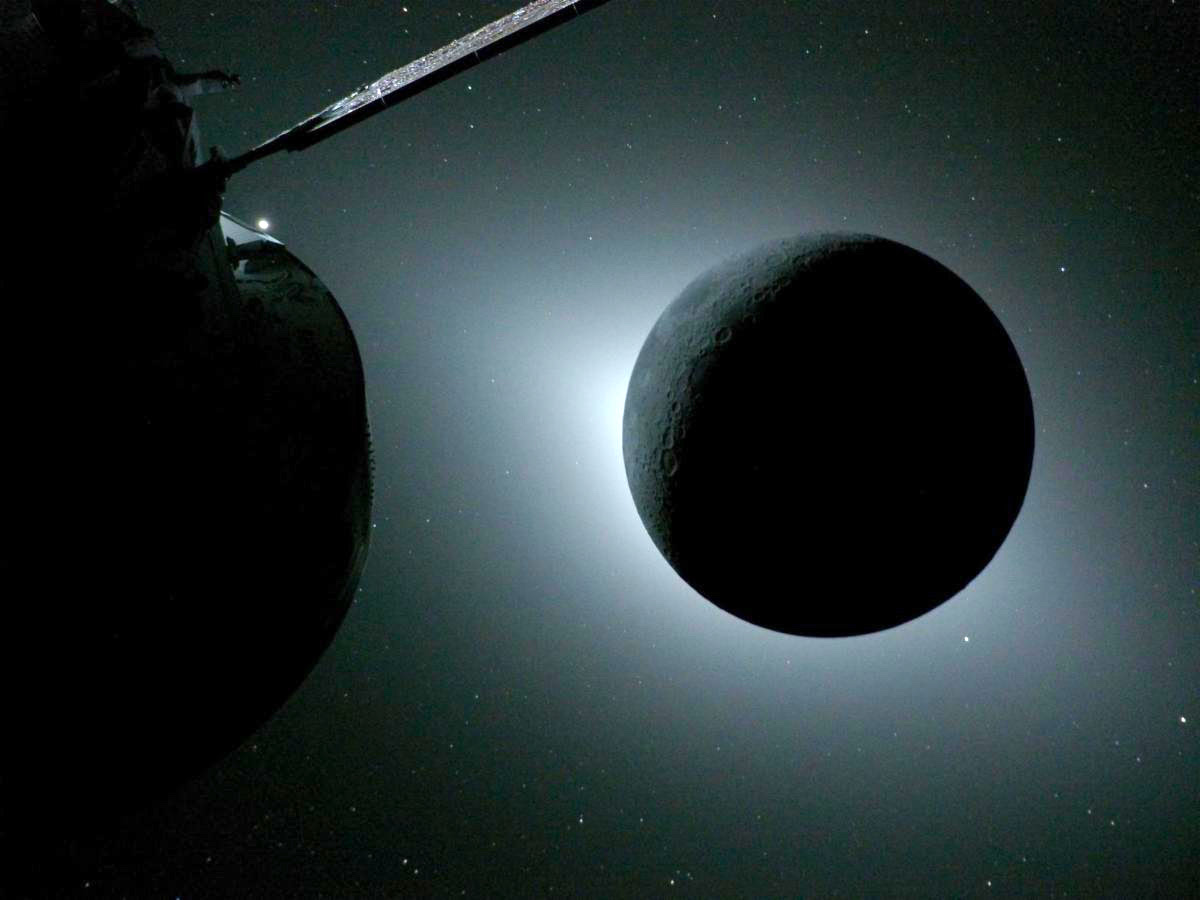
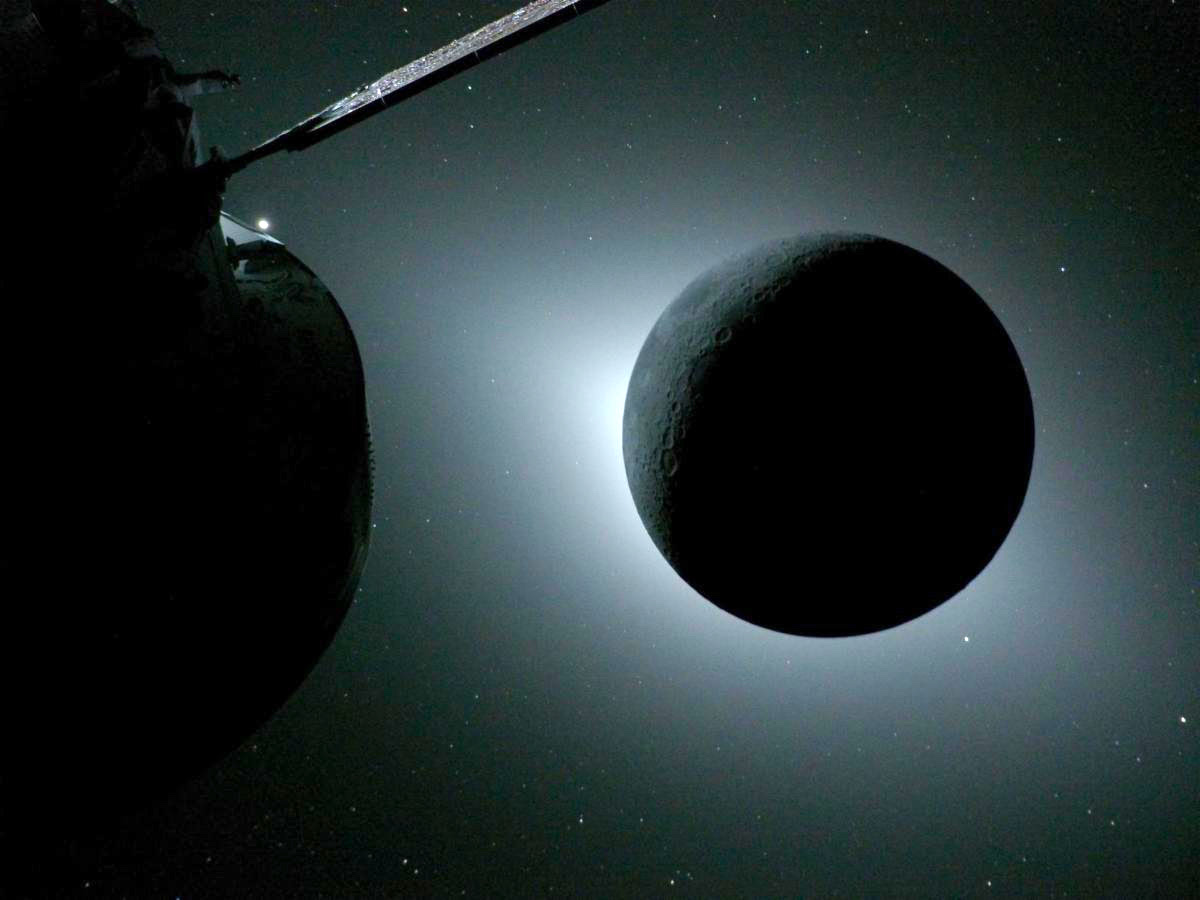
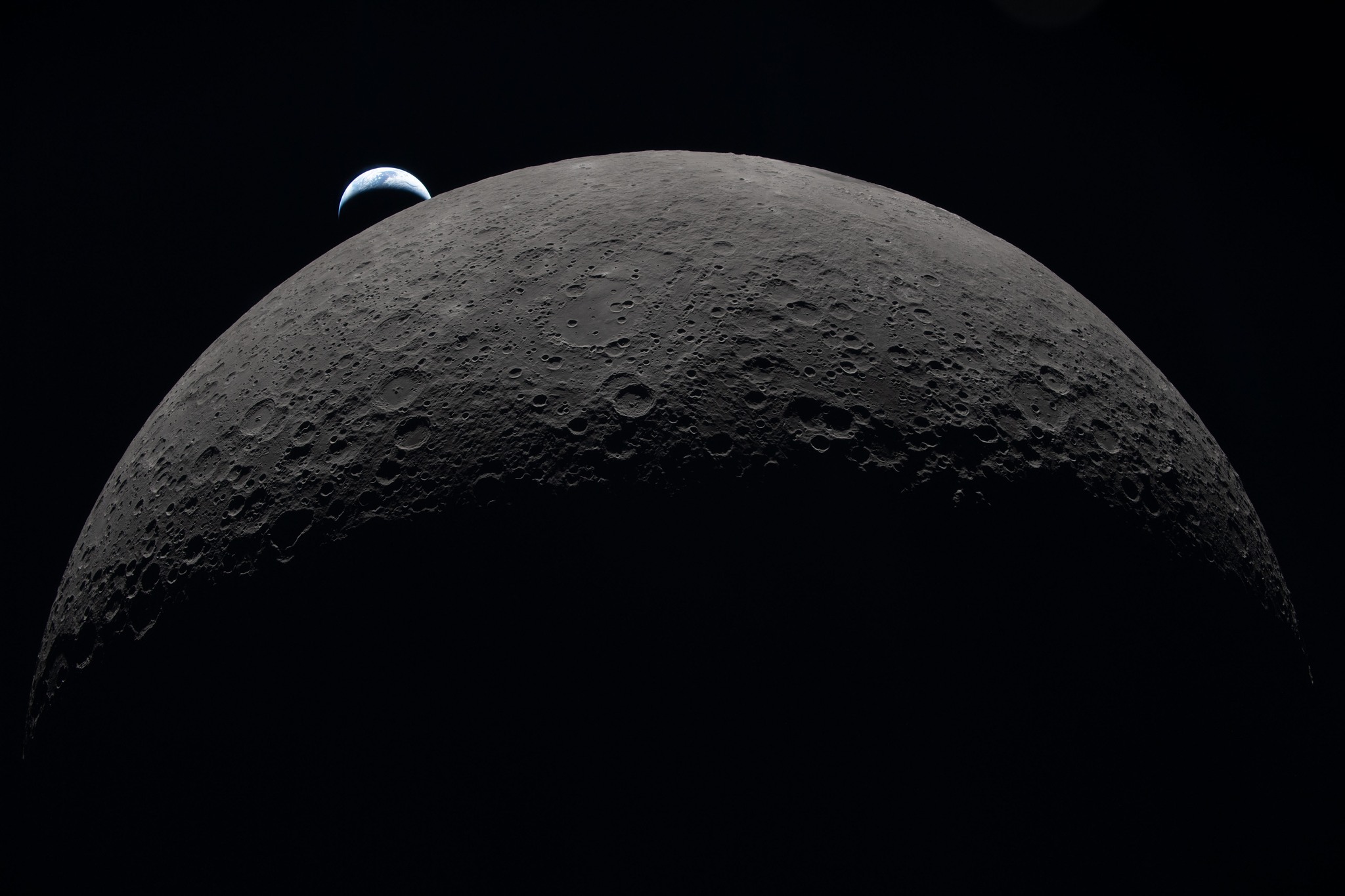
THE MOON, backlit by the Sun during a solar eclipse, is photographed by NASA’s Orion spacecraft on Monday, April 6, during the Artemis II mission. Orion is visible in the foreground on the left. Earth is reflecting sunlight at the left edge of the Moon, which is slightly brighter than the rest of the disk. The bright spot visible just below the Moon’s bottom right edge is Saturn. Beyond that, the bright spot at the right edge of the image is Mars. (NASA image)
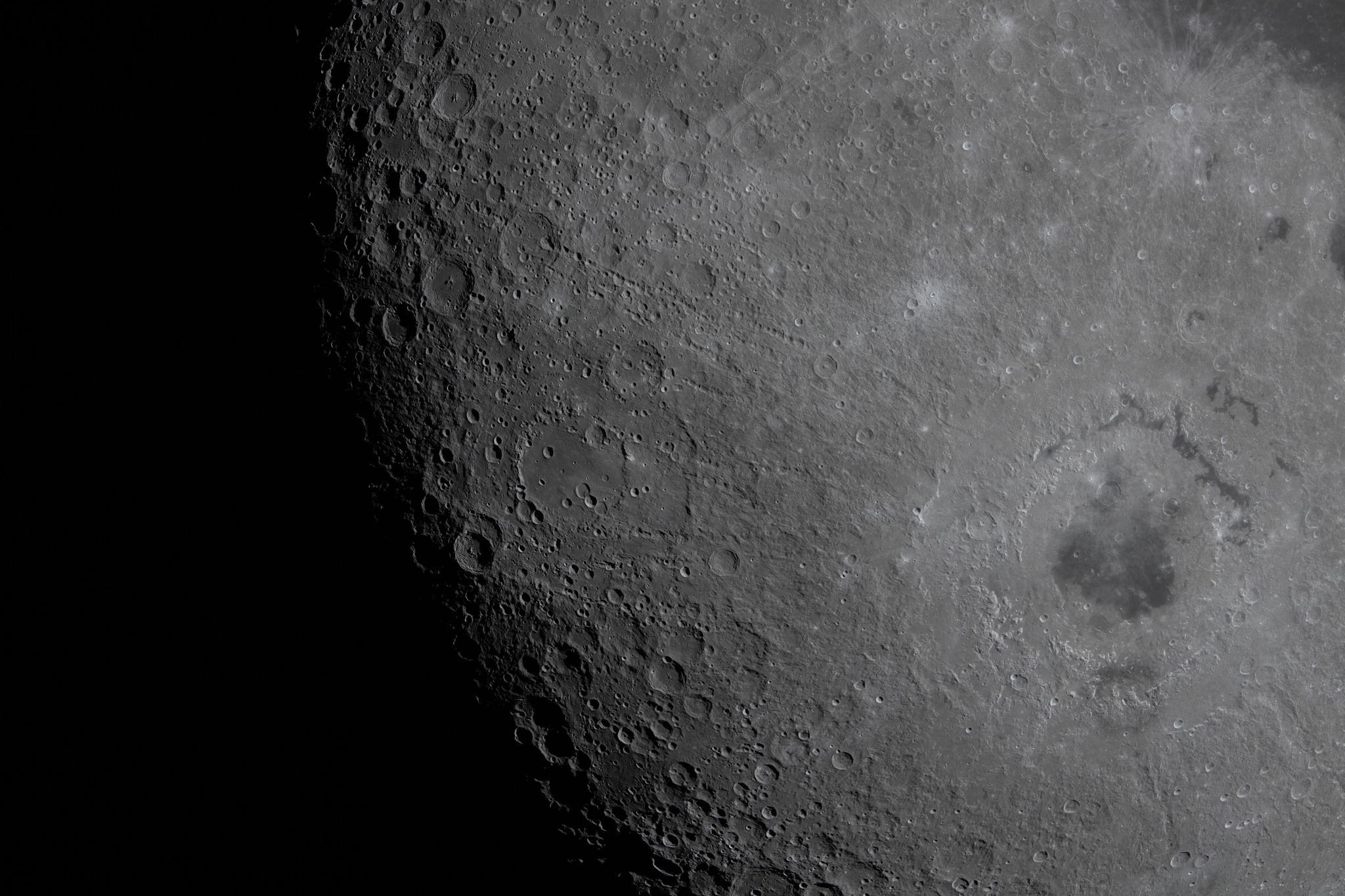
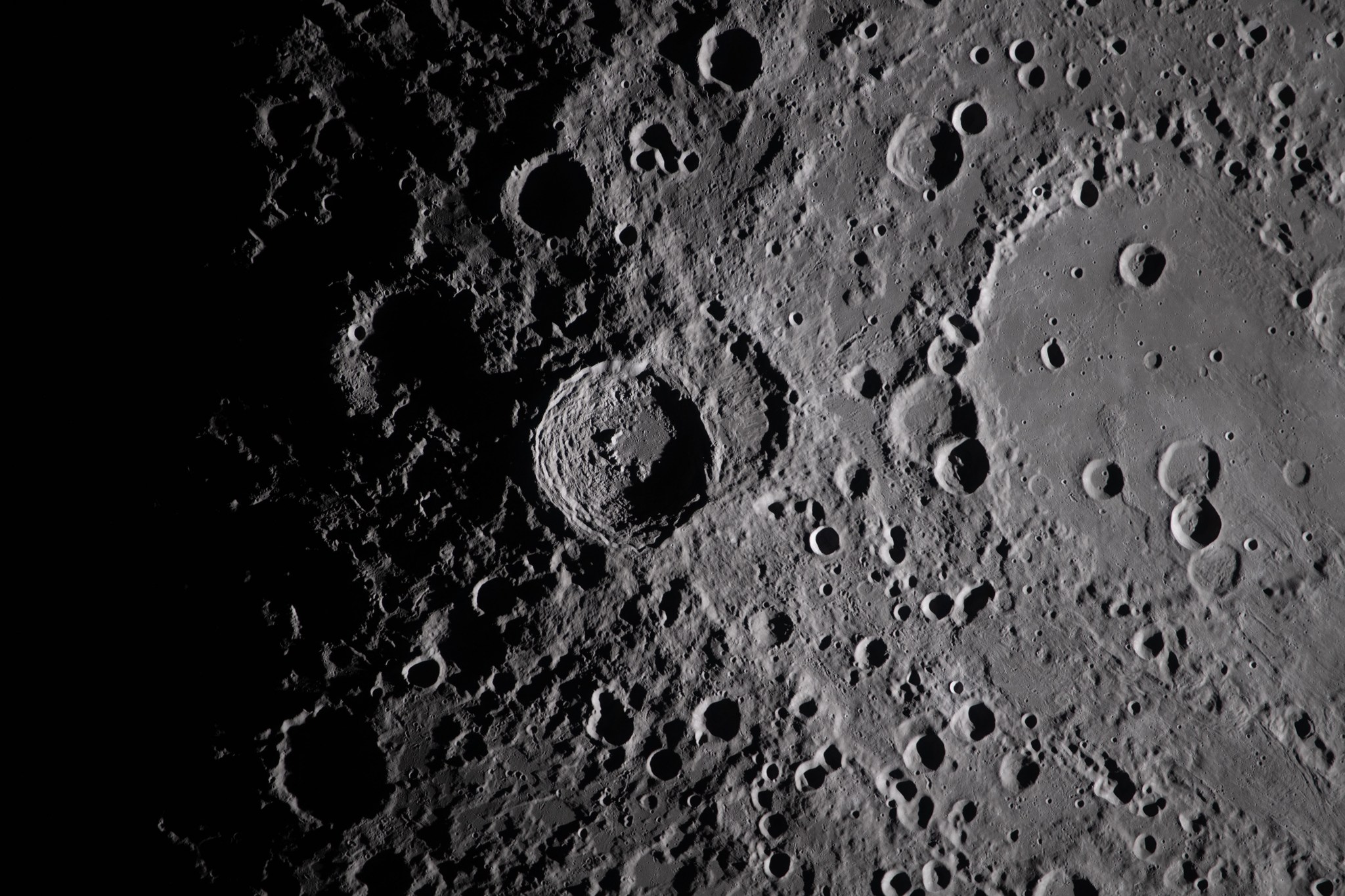
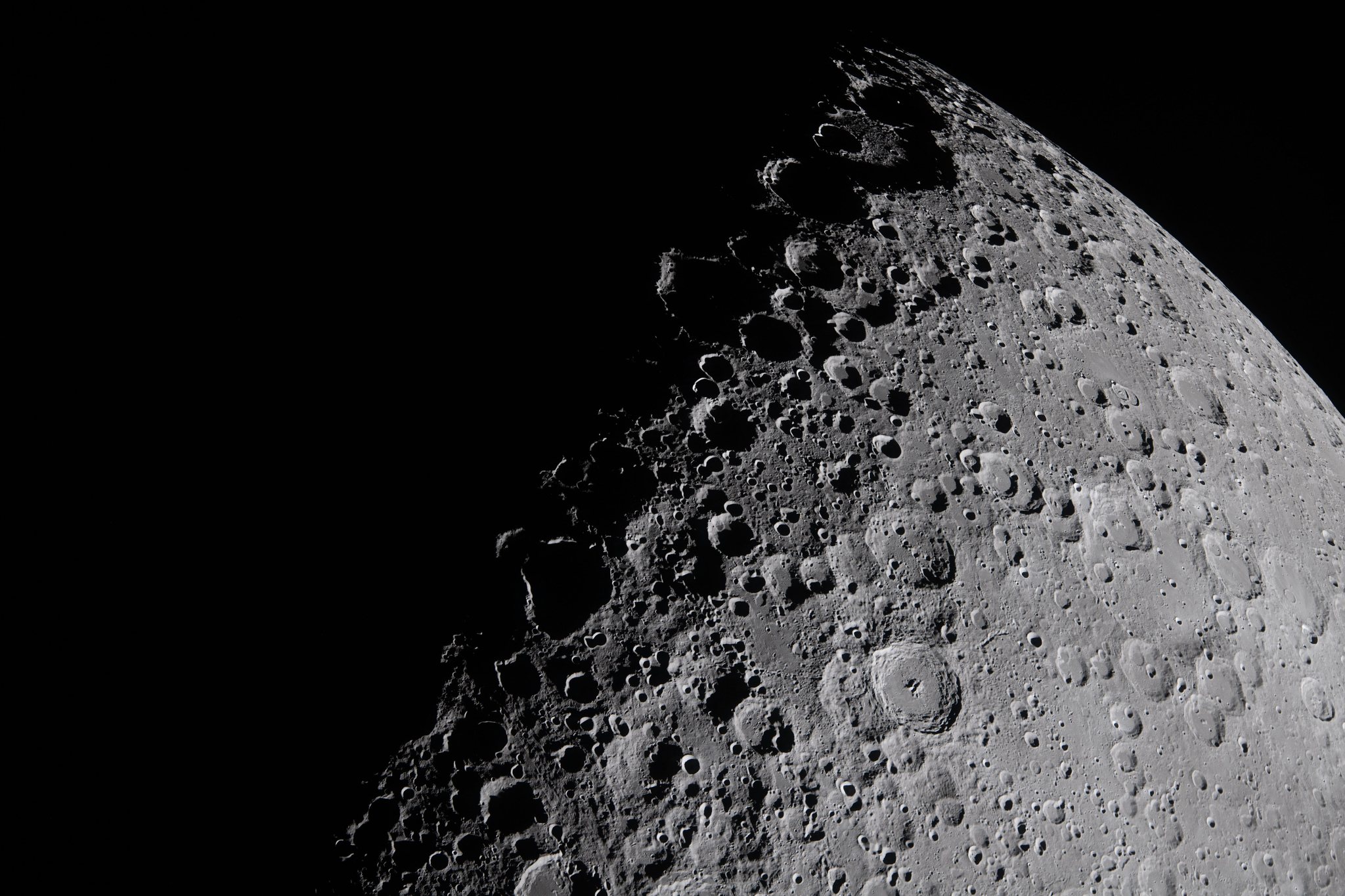
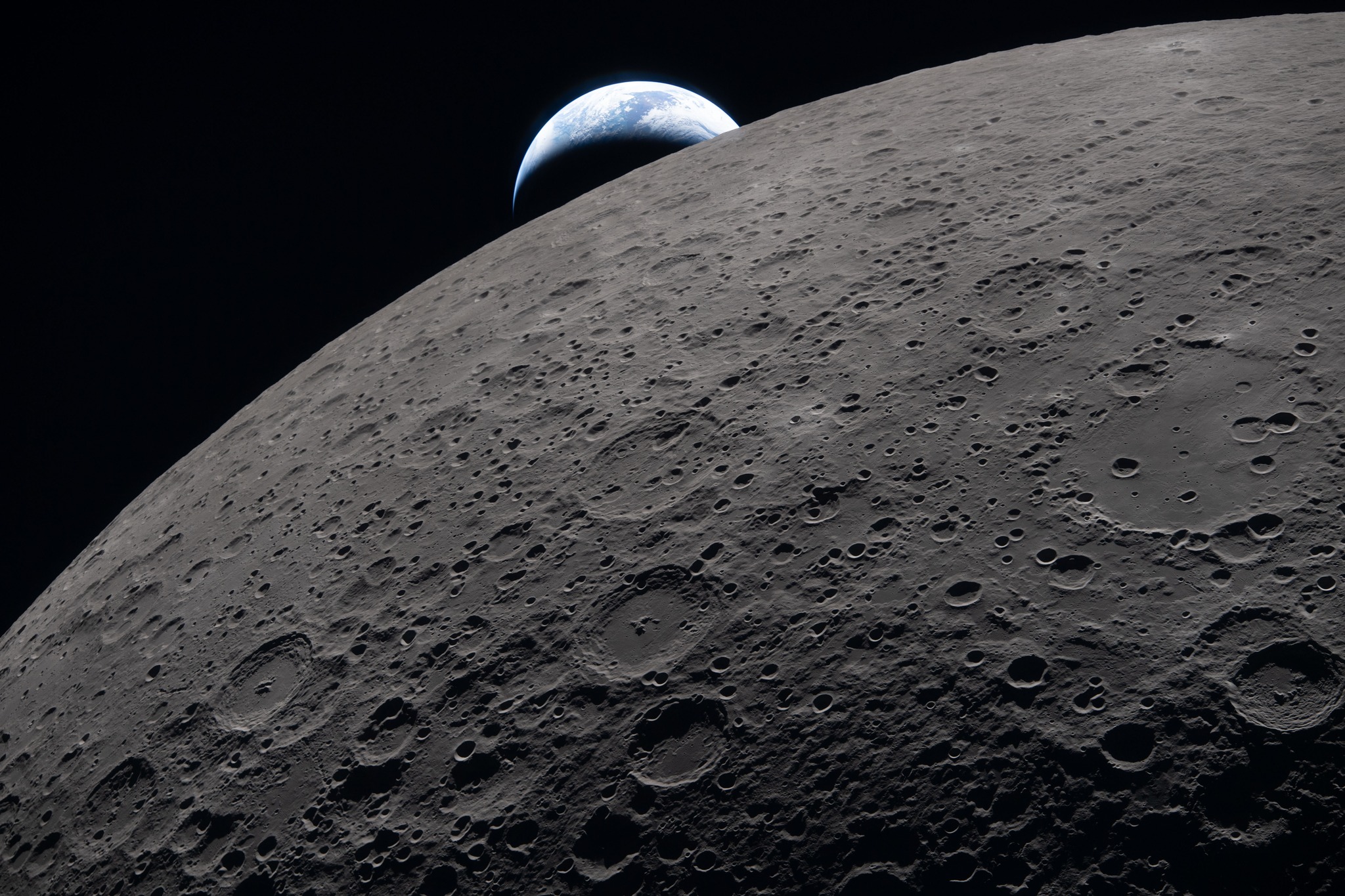
NASA – The first flyby images of the Moon captured by NASA’s Artemis II astronauts during their historic test flight reveal regions no human has seen before, including a rare in-space solar eclipse.
Released on Tuesday, the images were captured by astronauts on April 6 during the mission’s seven-hour flyby of the lunar far side, marking humanity’s return to the Moon’s vicinity and opening a trove of scientific data.
NASA astronauts Reid Wiseman, Victor Glover, Christina Koch, and CSA (Canadian Space Agency) astronaut Jeremy Hansen have used a fleet of cameras to take thousands of photos.
The agency released several images, with more expected in the coming days as the crew members are more than halfway through their journey and now headed home toward Earth.
“Our four Artemis II astronauts — Reid, Victor, Christina, and Jeremy — took humanity on an incredible journey around the Moon and brought back images so exquisite and brimming with science, they will inspire generations to come,” said Dr. Nicky Fox, associate administrator, Science Mission Directorate, NASA Headquarters in Washington.
FD06_high priority paThe Moon, backlit by the Sun during a solar eclipse, is photographed by NASA’s Orion spacecraft on Monday, April 6, during the Artemis II mission. (NASA image)
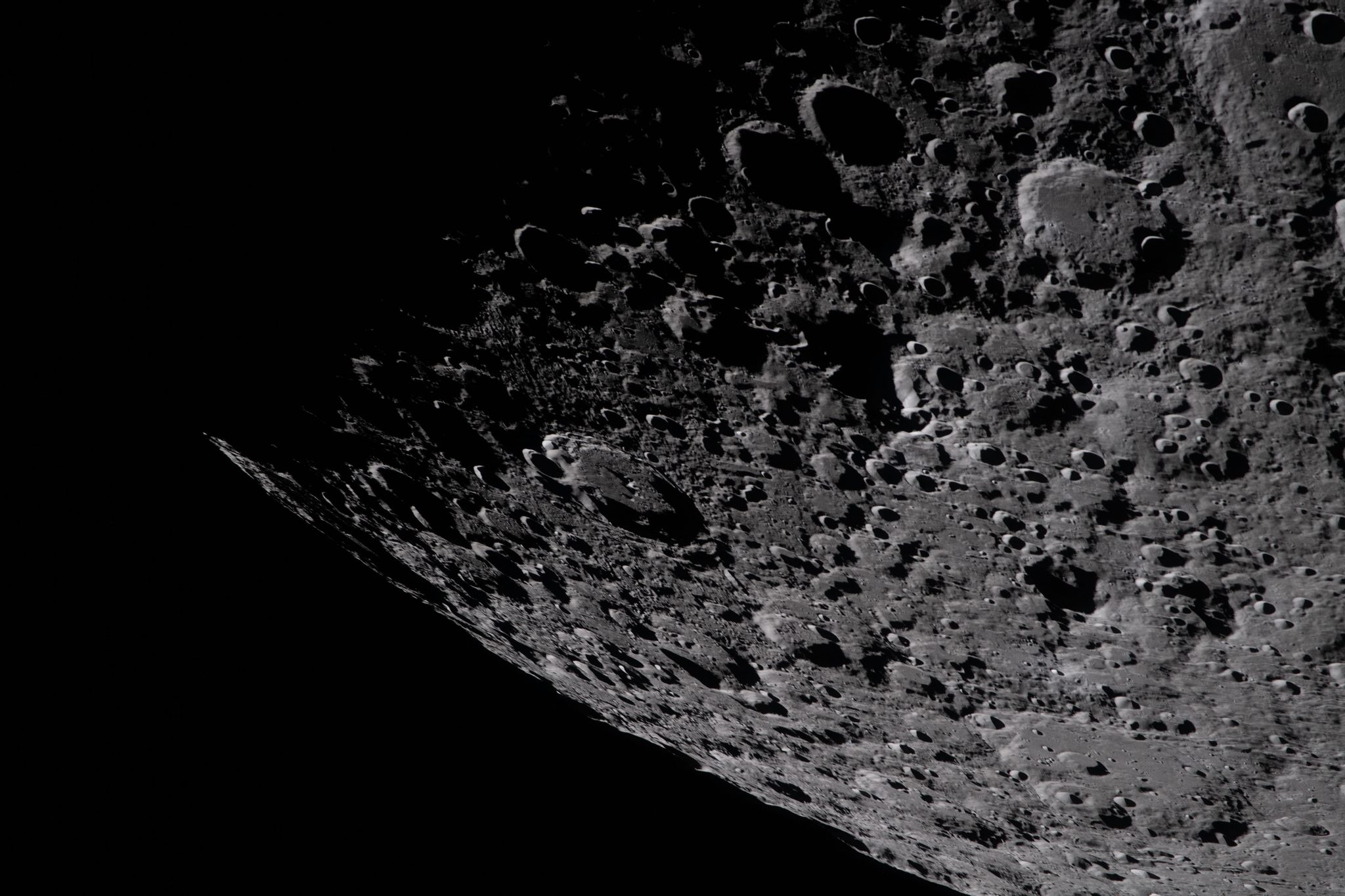
During the lunar flyby, the crew documented impact craters, ancient lava flows, and surface fractures that will help scientists study the Moon’s geologic evolution.
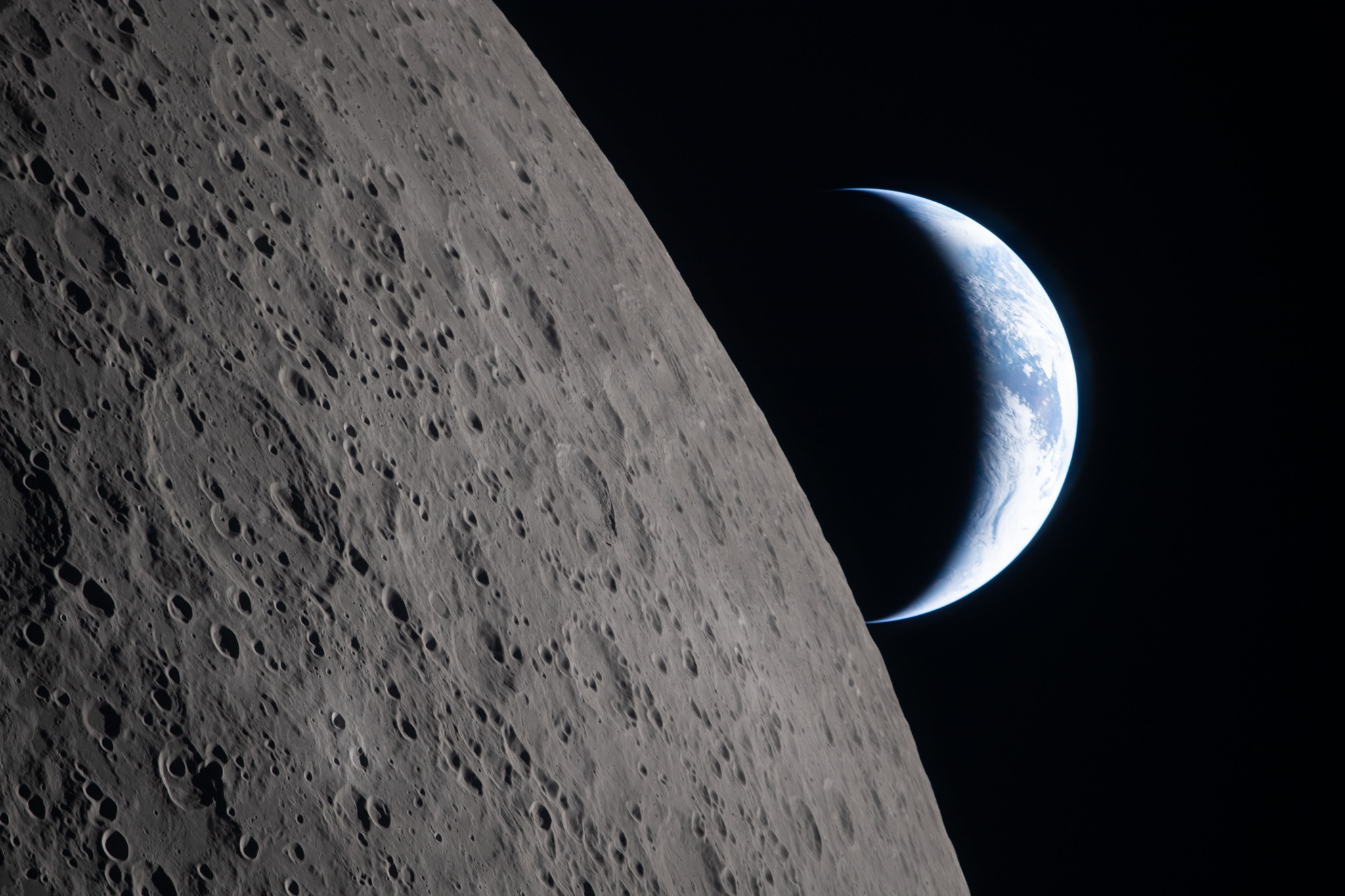
They monitored color, brightness, and texture differences across the terrain, observed an earthset and earthrise, and captured solar‑eclipse views of the Sun’s corona. The crew also reported six meteoroid impact flashes on the darkened lunar surface.
Scientists are already analyzing the downlinked images, audio, and data to refine the timing and locations of these events and compare them with observations from amateur astronomers.
The new imagery will also help NASA better understand the Moon’s geology and inform future exploration and science missions that will lay the foundation for an enduring presence on the Moon ahead of future astronaut missions to Mars.
The Moon, backlit by the Sun during a solar eclipse, is photographed by NASA’s Orion spacecraft on Monday, April 6, during the Artemis II mission. (NASA image)The Moon, backlit by the Sun during a solar eclipse, is photographed by NASA’s Orion spacecraft on Monday, April 6, during the Artemis II mission. (NASA image)The Moon, backlit by the Sun during a solar eclipse, is photographed by NASA’s Orion spacecraft on Monday, April 6, during the Artemis II mission. (NASA image)The Moon, backlit by the Sun during a solar eclipse, is photographed by NASA’s Orion spacecraft on Monday, April 6, during the Artemis II mission. (NASA image)The Moon, backlit by the Sun during a solar eclipse, is photographed by NASA’s Orion spacecraft on Monday, April 6, during the Artemis II mission. (NASA image)The Moon, backlit by the Sun during a solar eclipse, is photographed by NASA’s Orion spacecraft on Monday, April 6, during the Artemis II mission. (NASA image)The Moon, backlit by the Sun during a solar eclipse, is photographed by NASA’s Orion spacecraft on Monday, April 6, during the Artemis II mission. (NASA image)The Moon, backlit by the Sun during a solar eclipse, is photographed by NASA’s Orion spacecraft on Monday, April 6, during the Artemis II mission. (NASA image)The Moon, backlit by the Sun during a solar eclipse, is photographed by NASA’s Orion spacecraft on Monday, April 6, during the Artemis II mission. (NASA image)
“It was remarkable listening to the crew describe the stunning views during the flyby,” said Jacob Bleacher, NASA’s chief exploration scientist at the agency’s headquarters.
“At first, their descriptions didn’t quite match what we were seeing on our screens.”
Now that higher resolution images are coming down, we can finally experience the moments they were trying to share and truly appreciate the scientific return provided by these images and our other research on this mission.”
Official NASA imagery for viewing and download is available on the agency website and digital platforms, including:
NASA is targeting 8:07 p.m. EDT (5:07 p.m. PDT) Friday, April 10, for the return of Artemis II off the coast of San Diego.
NASA+ live return coverage begins at 6:30 p.m. and will continue until NASA and Department of War personnel safely assist the crew out of Orion and transport them to the USS John P. Murtha.
Briefings, events, and 24/7 mission coverage are streaming on NASA’s YouTube channel, and each event will have its own stream closer to its start time.
Learn how to watch NASA content through a variety of online platforms, including social media.
As part of the Golden Age of innovation and exploration, NASA will send Artemis astronauts on increasingly difficult missions to explore more of the Moon for scientific discovery, economic benefits, and to build on our foundation for the first crewed missions to Mars.