
The Glitter Cycle: A History of Sparkle in Fashion and Festival Culture
By Space Coast Daily // April 20, 2026
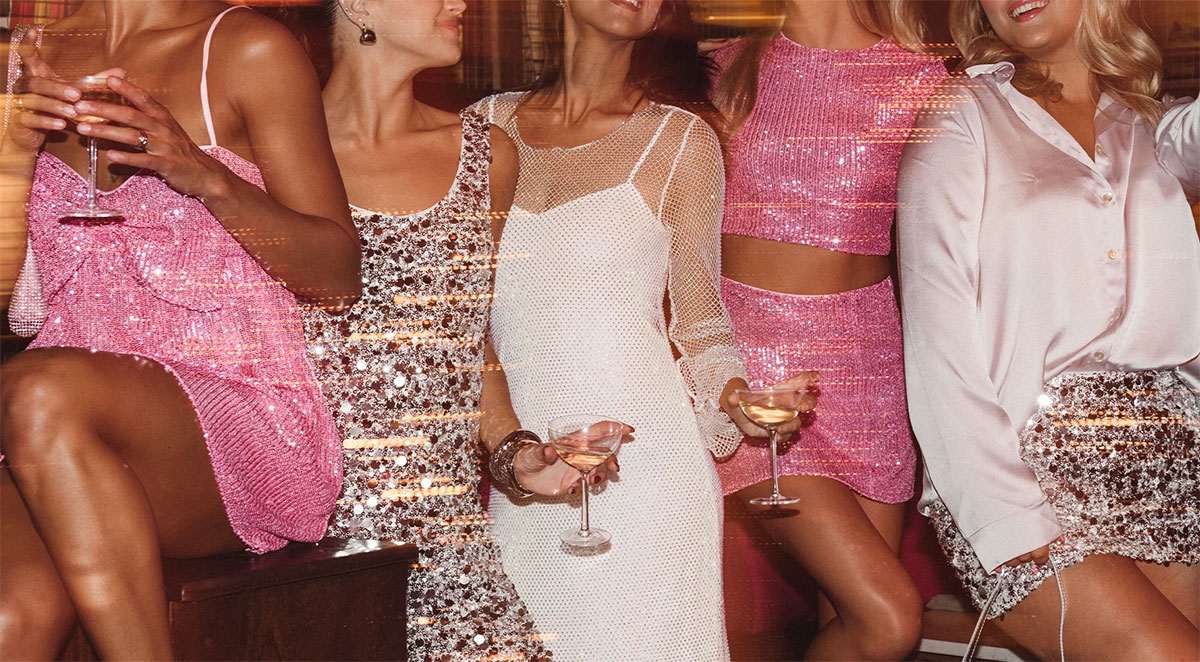
Humans have always been drawn to things that shine. From the earliest civilizations to today’s celebrations, we’ve found ways to add shimmering touches. This attraction goes deeper than simple decoration.
The story of sparkle in fashion stretches back thousands of years. Ancient Egyptians crushed beetles and minerals to create luminous cosmetics. Royalty across cultures wore garments threaded with gold to show their power.
These weren’t just pretty accessories—they were statements of identity.
Today, glitter history continues to unfold at music venues and outdoor gatherings worldwide. What once symbolized wealth has transformed into something more democratic. Now anyone can wear reflective particles to express themselves.
Modern festival culture has embraced this shimmering tradition with enthusiasm. Concert-goers and party enthusiasts cover themselves in glittery designs that catch the light. Each generation reinvents how we use these reflective materials.
This journey through shimmer trends reveals something wonderful about human nature. Our desire to catch the light connects us across time and cultures. Let’s explore how this glittery cycle keeps evolving and inspiring new self-expression.
From Ancient Shimmer to Hollywood Glamour
The story of glitter begins in the palaces and temples of ancient empires. For thousands of years, humans have loved the power of sparkle in fashion and personal adornment. Crushed minerals and beetle shells eventually transformed into the synthetic glitter we know today.
Ancient Beauty Secrets and Metallic Shine
Ancient civilizations understood that shimmer conveyed power, divinity, and social status. The Egyptians were perhaps the most innovative early users of ancient glitter. They crushed iridescent beetle shells into fine powders that caught the light beautifully.
Egyptian royalty dusted themselves with precious metals like gold. This wasn’t just about vanity—gold dust symbolized a divine connection to the sun god Ra. Both men and women wore these shimmering cosmetics, making early shimmer a universal form of expression.
Other cultures developed their own sparkling traditions. Romans ground mica into fine particles to add subtle shine to their skin and hair. The Aztecs used crushed minerals mixed with oils to create body paint that glittered during religious ceremonies.
Restrained Elegance and Manufacturing Breakthroughs
Victorian fashion took a dramatically different approach to shine compared to ancient excess. The strict social codes of the 1800s demanded subtlety and restraint in personal presentation. Sparkle existed but in carefully controlled amounts—a hint of metallic thread or delicate beading.
Women of means could afford garments with hand-sewn glass beads or metal sequins. These items required countless hours of labor, making them exclusive luxury goods. The wealthy used sparkle in fashion as a quiet indicator of status.
The early 20th century brought exciting changes to sparkle accessibility. New manufacturing techniques emerged that could produce reflective materials more efficiently. Factories began creating metal sequins at larger scales, reducing costs significantly.
Fashion designers started experimenting with more elaborate embellishments. The Art Deco movement of the 1920s celebrated geometric patterns and metallic finishes. Evening wear became bolder and more reflective.
Sparkle in Fashion: The Festival Revolution and Contemporary Culture
The evolution of sparkle in fashion tells a story of democratization and self-expression. What began as an exclusive symbol of wealth transformed into a universal tool for celebration. From dance floors to desert gatherings, glitter connected diverse subcultures united by joy and freedom.
This transformation didn’t happen overnight. It emerged through decades of cultural movements, each adding new layers of meaning. Today’s festival fashion landscape owes everything to the pioneers who first dared to wear glitter.
Disco Era and the Democratization of Shine
The 1970s disco era marked the moment when sparkle truly belonged to everyone. Studio 54 opened in 1977, and its mirrored dance floor reflected thousands of sequined outfits. This wasn’t Hollywood anymore—this was real people claiming their right to shine.
David Bowie’s Ziggy Stardust persona revolutionized how men could use glitter. He wore it across his face, in his hair, and on his costumes. His bold choices challenged gender norms and inspired millions to experiment with sparkle.
Donna Summer became the queen of disco glamour. Her stage presence dripped with shimmer that fans eagerly recreated at home.
The beauty industry responded quickly. Drugstore brands introduced affordable glitter products that made sparkle in fashion accessible beyond department store counters. Anyone with a few dollars could buy loose glitter, metallic eyeshadows, or shimmery lip gloss.
This democratization meant that a factory worker could sparkle just as brightly as a celebrity. Disco culture proved that glitter represented liberation. It symbolized breaking free from conservative values and celebrating diversity.
The dance floor became a temporary utopia. Shimmer united strangers in collective joy.
Rave Culture and Electronic Music Festivals
As disco faded, rave culture emerged in the late 1980s, taking glitter underground. Warehouses, abandoned factories, and hidden fields became venues for all-night electronic music gatherings. Ravers developed their own visual language, and glitter played a central role.
The rave scene used sparkle differently than disco had. Participants applied body glitter to enhance the sensory experience under UV lights and strobes. Reflective materials created mesmerizing visual effects as dancers moved through dark spaces.
Glitter became functional, helping ravers spot friends in crowded venues. It added to the otherworldly atmosphere.
Kandi bracelets, glow sticks, and glittered accessories formed the foundation of rave fashion. This wasn’t about glamour—it was about creating a countercultural identity. The PLUR philosophy found visual expression in colorful, glittery looks that rejected corporate fashion norms.
As electronic music festivals grew from underground gatherings to massive commercial events, the glitter aesthetic evolved. Events like Ultra Music Festival, Electric Daisy Carnival, and Tomorrowland inherited rave culture’s love of sparkle. They scaled it up to audiences of hundreds of thousands.
Modern Products: From Glitter Mascara to Body Glitter
The explosion of festival culture created enormous demand for innovative glitter products. Beauty brands responded with specialized formulas designed for different applications. The modern glitter market offers something for everyone.
Glitter mascara brought sparkle to everyday makeup routines. From high-end labels to accessible options like SHEGLAM glitter mascara, these formulas added shimmer without the mess. This variety made it socially acceptable to wear sparkle in a wide range of settings, from work to weekend events.
Specialized body glitter products emerged to meet festival demands. The Gypsy Shrine created chunky glitter gels specifically for festival wear. Lemonhead LA developed biodegradable glitter options, addressing environmental concerns.
Innovation continues driving the industry forward. Beauty brands now offer holographic glitters that shift colors in different lighting. Gel-based formulas eliminate fallout, and specialized primers help glitter adhere for 12+ hours.
Environmental concerns have pushed innovation in positive directions. Biodegradable formulas using plant cellulose, eucalyptus extract, and mineral mica offer guilt-free sparkle. Many festivals now ban traditional plastic-based glitter, making eco-friendly alternatives required for entry.
The future of glitter products looks bright and sustainable. Brands invest in research developing new technologies. The intersection of technology, sustainability, and self-expression continues driving the industry forward.
The Enduring Appeal of Sparkle
Our attraction to sparkle runs deeper than simple aesthetics. Humans naturally respond to light and reflection as evolutionary markers of water and vitality. This innate response explains why sparkle in fashion never truly disappears.
Sparkle serves different purposes across communities. For some, it represents celebration and joy. For others, it’s rebellion and self-expression.
Many simply feel more confident when they shine. The fashion evolution of glitter now includes environmental consciousness. Brands like EcoStardust and BioGlitz create biodegradable options from plant cellulose.
Festival-goers can sparkle without environmental guilt. Mineral-based alternatives offer another sustainable path forward.
Current glitter trends point toward technology integration. LED-embedded fabrics create programmable sparkle. Color-changing glitters react to temperature and light.
These innovations push boundaries while honoring sparkle’s timeless shimmer. The glitter cycle continues turning through runways and street style. Ancient Egyptians used gold dust.
Today’s makeup enthusiasts reach for glitter mascara. The methods change, but the desire remains constant.
Sparkle has woven itself into human expression across millennia. It adapts to new technologies and values while maintaining fundamental appeal. The future promises even more innovative ways to shine.
FAQ
What exactly is the “glitter cycle” in fashion?
The glitter cycle shows how sparkle has reinvented itself throughout human history. It moves between different cultures, social classes, and fashion movements. Sparkle evolved from ancient symbols of wealth to modern tools of self-expression.
Rather than being a passing trend, it has persistently adapted to new technologies and values. It maintains its fundamental appeal across generations.
When was modern glitter invented?
Modern plastic-based glitter was invented in the 1930s by American machinist Henry Ruschmann. He discovered a way to create affordable, mass-produced sparkle by grinding plastic into tiny reflective particles. This groundbreaking invention revolutionized the sparkle industry.It transformed glitter from an expensive luxury into a product that everyday people could enjoy. This paved the way for its widespread use in fashion, cosmetics, and entertainment.
How did ancient civilizations create sparkle before modern glitter existed?
Early civilizations like the Egyptians, Romans, and Aztecs created shimmering effects using crushed precious metals. They also used mica and beetle shells. The ancient Egyptians particularly loved using crushed beetle shells and malachite to create eye-catching shimmer.Egyptian royalty adorned themselves with gold dust as a symbol of divine connection. These natural materials were painstakingly prepared and reserved primarily for the wealthy and powerful.













