What Scam Protection Services Actually Do
By Space Coast Daily // April 30, 2026
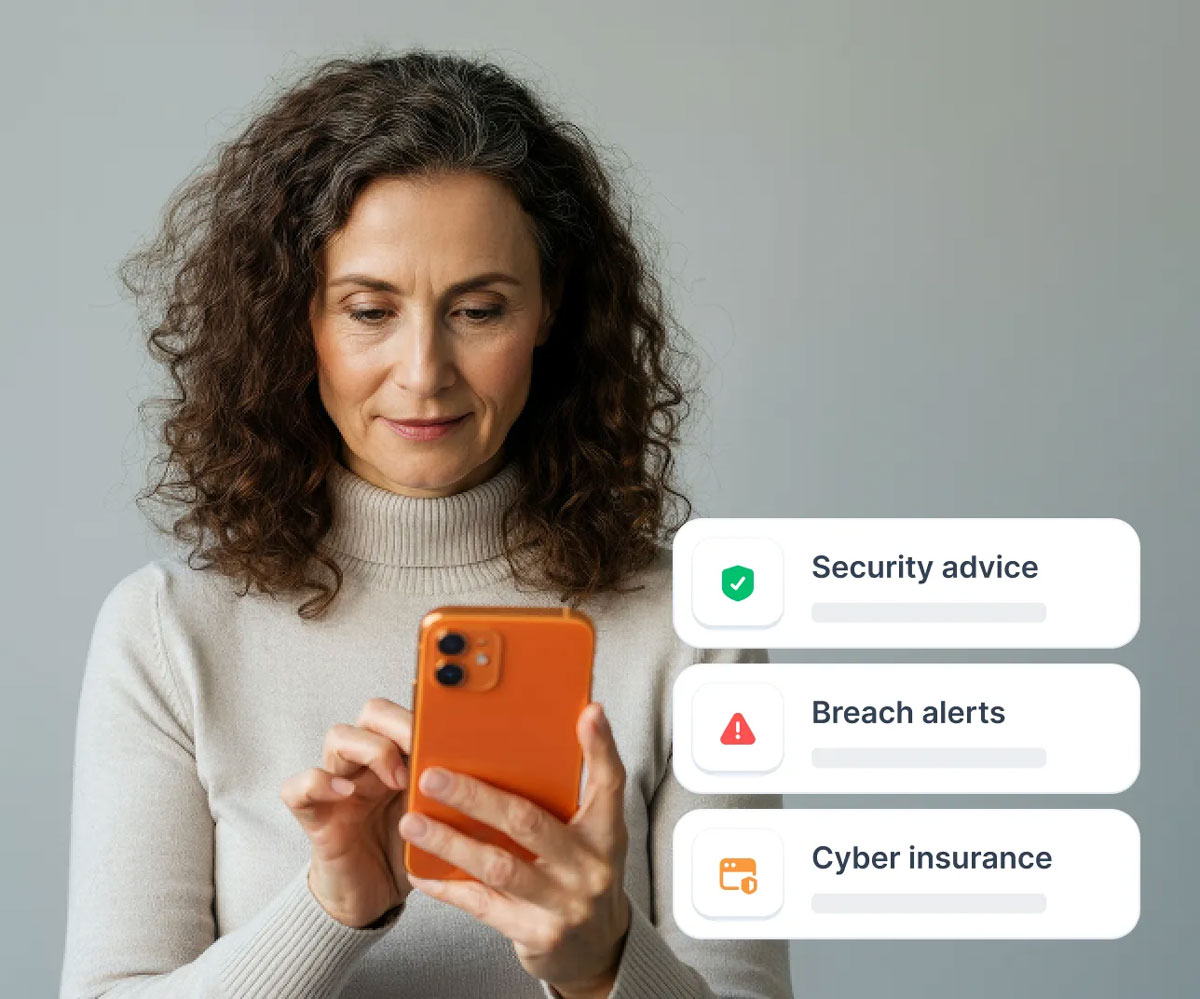
Fraud on the internet now drains billions from consumers annually. Cloned sites, phishing emails, and identity theft continue to target everyone. Yet most people still remain unclear about what specialized defense tools actually provide. These platforms go well beyond basic spam filtering. They combine constant monitoring, real-time alerts, and guided recovery assistance to shield both personal data and financial accounts. This post explains the key functions behind these solutions. This will help you understand what genuine coverage looks like.
How Fraud Detection Works Behind the Scenes
At their core, protective platforms operate automated scanning engines that run continuously. These systems hunt for suspicious activity connected to your personal details across multiple data sources. Breach repositories, dark web marketplaces, and credential dump archives are all monitored. As soon as exposed information appears, the platform triggers an alert.
Picking a trustworthy scam protection service matters because timing shapes the outcome of every fraud event. The earlier you know about compromised data, the quicker you can freeze accounts or update credentials. Reliable providers combine those instant warnings with practical, step-by-step guidance that helps you act before financial damage sets in.
Real-Time Alerts and Threat Notifications
One of the most useful features is the notification system. Rather than waiting for a monthly credit report, you get warnings the moment a risk gets flagged. Those alerts might cover unauthorized credit pulls, leaked login credentials, or irregular account activity.
Some services extend this further by screening suspicious phone calls and text messages. Incoming numbers get checked against databases of known fraud operations. This added defense layer intercepts social engineering tactics that standard antivirus programs rarely catch.
Identity Monitoring Across Multiple Channels
Capable providers go beyond tracking a single email address. They monitor Social Security numbers, bank account information, driver’s license records, and even medical files. Each data point gets scanned across public registries, financial institutions, and underground forums alike.
• Dark Web Surveillance
Criminal marketplaces move stolen credentials in massive batches. Monitoring tools crawl these concealed networks, looking for any match to your personal details. When a hit is confirmed, you receive an instant alert and clear guidance on next steps.
• Financial Account Tracking
Several platforms link directly to banking and credit card accounts. They flag unauthorized charges, abrupt balance changes, or newly opened accounts that the subscriber never authorized. This type of round-the-clock oversight narrows the gap between a breach and its discovery from weeks to mere hours.
Recovery Assistance After an Incident
Prevention gets most of the attention, but recovery support is just as essential. After fraud strikes, there’s a lot you need to manage. Reaching out to banks, challenging charges, filing police reports, and placing credit freezes all take considerable time.
Top-level services assign dedicated case managers who do the heavy lifting. They walk you through every required action and handle communication with financial institutions directly. Certain providers also bundle insurance coverage that reimburses losses from identity theft, offering a practical layer of financial backup.
What These Services Do Not Cover
Setting realistic expectations prevents unnecessary frustration. No platform can guarantee absolute immunity from fraud. Here’s what scam protection services generally don’t cover:
• Human Errors: Mistakes like clicking a phishing link or handing over a password to the wrong party. These remain the most common gateway for criminals.
• Decreased Credit Scores: These tools also cannot repair a damaged credit profile overnight. Complete restoration takes time, even with professional guidance in place. Their strength lies in early detection and organized response, not in building a wall that blocks every threat.
How to Evaluate a Provider
Before signing up, you should compare a handful of important factors. These include the following:
• Check the coverage breadth carefully. Wider monitoring catches threats that limited packages miss entirely.
• Alert speed, access to live support agents, and reimbursement policies all require close review.
• Reading independent assessments and complaint logs through consumer groups offers a better perspective.
• Free trials let you test the platform and measure alert responsiveness before locking into a paid plan.
Conclusion
Scam protection services act as an early warning network driven by expert support. They monitor your personal information across financial systems, data breaches, and criminal forums. The moment they detect a threat, platforms send alerts and guide you through recovery.
No single tool can avert every risk fully, but these platforms reduce exposure and response times significantly. If you’re concerned about identity theft or digital fraud, these tools can help. Knowing what they do and how is the first step in setting up better safety measures.