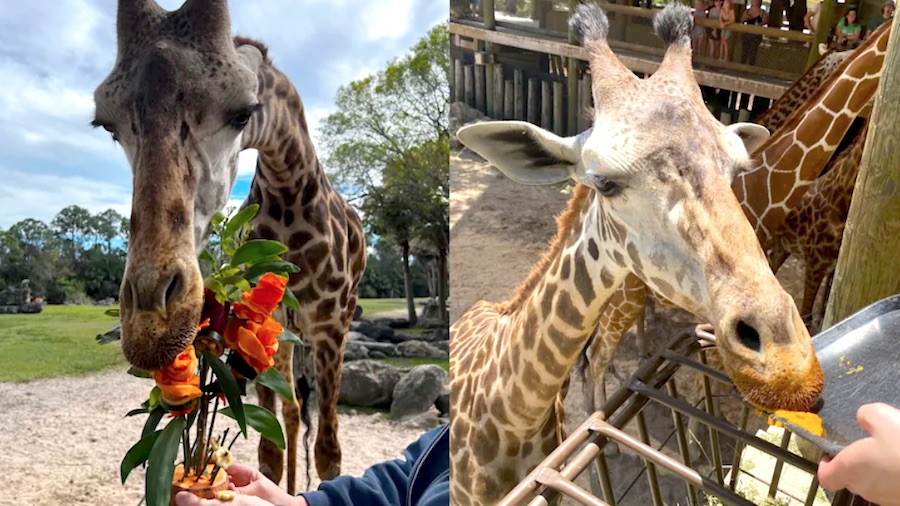
Brevard Zoo Announces Passing of Beloved Masai Giraffe Floyd Following Ongoing Health Challenges
By Space Coast Daily // May 14, 2026
Veterinary staff believe the injury may have been connected to long-term health issues dating back to his infancy
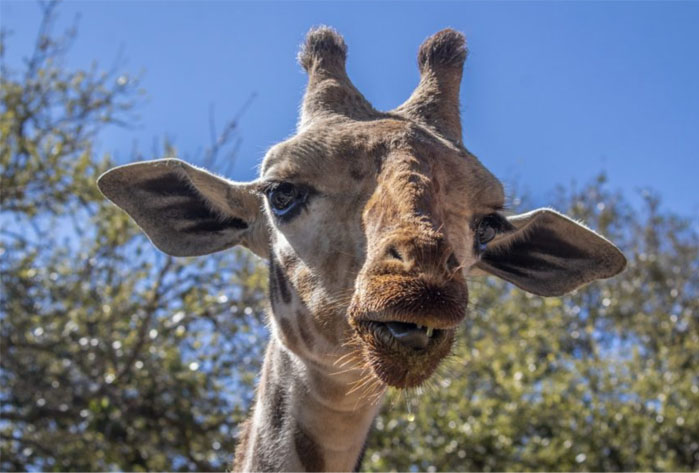
BREVARD COUNTY, FLORIDA – Brevard Zoo announced the loss of Floyd, a 9-year-old Masai giraffe who was humanely euthanized after veterinarians discovered a severe fracture in his right front foot during an extensive medical examination.
Floyd had been experiencing increasing difficulty walking over the past several weeks.
What began as mild lameness progressed to the point where he was barely able to place weight on his right front leg.
The zoo’s veterinary team had been closely monitoring Floyd while providing stall rest, pain-management medications, and a series of diagnostic tests, including blood and urine analyses, radiographs, thermography, and hoof examinations.
Despite extensive testing, veterinarians were unable to determine the exact cause of his worsening mobility.
To gain a clearer understanding of Floyd’s condition, the zoo proceeded with a full-body examination requiring anesthesia — a procedure considered especially risky for giraffes because of their unique anatomy and Floyd’s existing mobility complications.
During the examination, veterinarians discovered Floyd had suffered a major fracture in his right front foot, along with tendon damage in the affected leg. Zoo officials said it remains unclear how the injury occurred, as Floyd had not been observed falling, jumping, or sustaining any obvious trauma.
Veterinary staff believe the injury may have been connected to long-term health issues dating back to his infancy.
Custom polyethylene rubber support shoes were created and fitted to Floyd’s front hooves to assist with healing and stabilization.
Although the examination procedure itself went smoothly, Floyd was unable to stand following anesthesia. Zoo staff attempted multiple times to assist him to his feet using specialized hoisting equipment, but the efforts were unsuccessful.
Due to his inability to bear weight and the likelihood that the fracture would not heal, the difficult decision was made to humanely euthanize him.
Zoo veterinarians said Floyd experienced developmental and health complications throughout his life.
They believe he may have suffered from failure of passive transfer (FPT) as a calf, an immunodeficiency disorder caused when newborn animals do not receive sufficient antibodies from their mother’s colostrum during the first days of life.
As a young giraffe, Floyd displayed stunted growth, excessive drooling, and urinary complications. Despite those challenges, zoo staff said he was able to live a largely normal life among the giraffe herd with ongoing veterinary care.
At approximately three years old, Floyd also began experiencing intermittent balance and walking difficulties.
Multiple evaluations and consultations with giraffe specialists at other institutions failed to determine a definitive cause. Over time, his symptoms improved with treatment before worsening again recently.