
Orphaned Florida Black Bear Cub Rickie is Now Happy Permanent Resident of Brevard Zoo
By Space Coast Daily // May 4, 2026
Of 17 bears rehabilitated and released, Rickie was brought back into human care
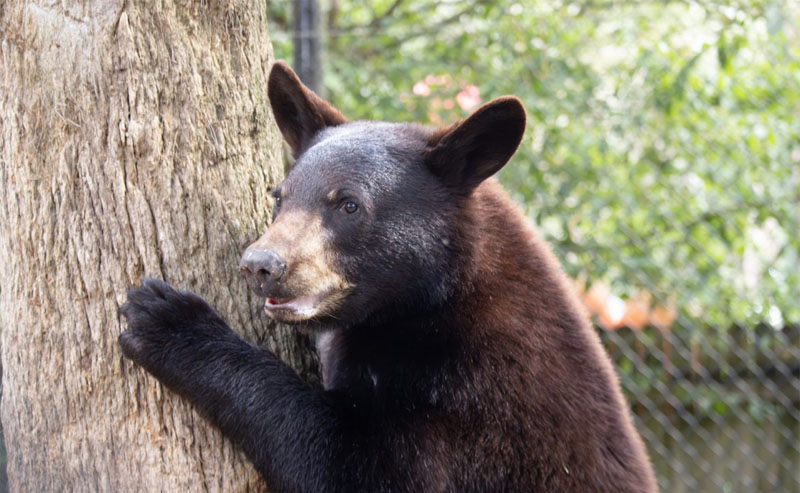
Rickie is now being gradually introduced to the zoo’s resident bears—Brody, Betty, and Cheyenne—in the Wild Florida habitat.
BREVARD COUNTY, FLORIDA – An orphaned Florida black bear cub that captured hearts across the state has returned to the Brevard Zoo—this time as a permanent resident.
Rickie, a Florida black bear, was first rescued in April 2025 after being found wandering alone in the Florida panhandle at just six weeks old.
Without her mother, the young cub had little chance of survival in the wild.
The Florida Fish and Wildlife Conservation Commission Bear Management team quickly transported her to the zoo’s L3Harris Animal Care Center, where she received a full veterinary evaluation and began intensive care.
At the time of her rescue, Rickie weighed just 2.5 pounds, making her one of the smallest and youngest bear cubs the zoo had ever treated.
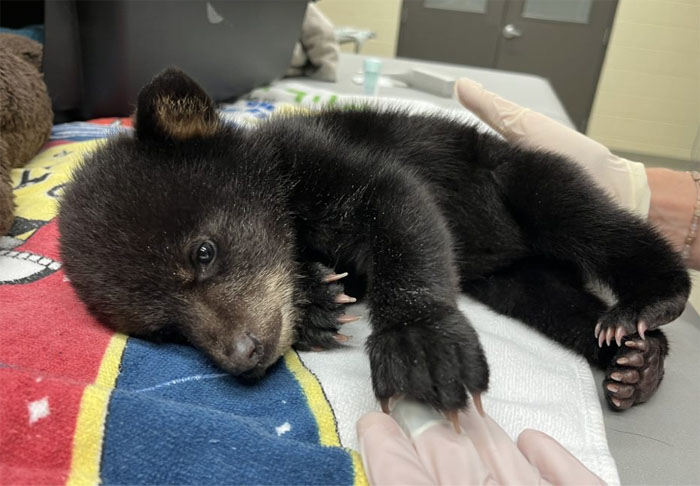
Due to her fragile condition, she required around-the-clock bottle feeding and specialized care from the zoo’s animal well-being team.
Staff implemented extraordinary measures to ensure that Rickie did not become accustomed to humans—a critical factor for any bear intended for release back into the wild.

Caregivers wore masks and ghillie suits, avoided speaking, and used background noise to mask their presence while feeding and cleaning.
“The way we cleaned, the way we fed, the way we interacted was different,” said Lauren Hinson, Director of Animal Programs. “If she showed signs of becoming too interested, we adjusted immediately.”
After gaining strength, Rickie was transferred to the zoo’s Black Bear Rehabilitation Center, where she spent nearly ten months learning essential survival skills such as foraging, climbing, and socializing with other cubs.
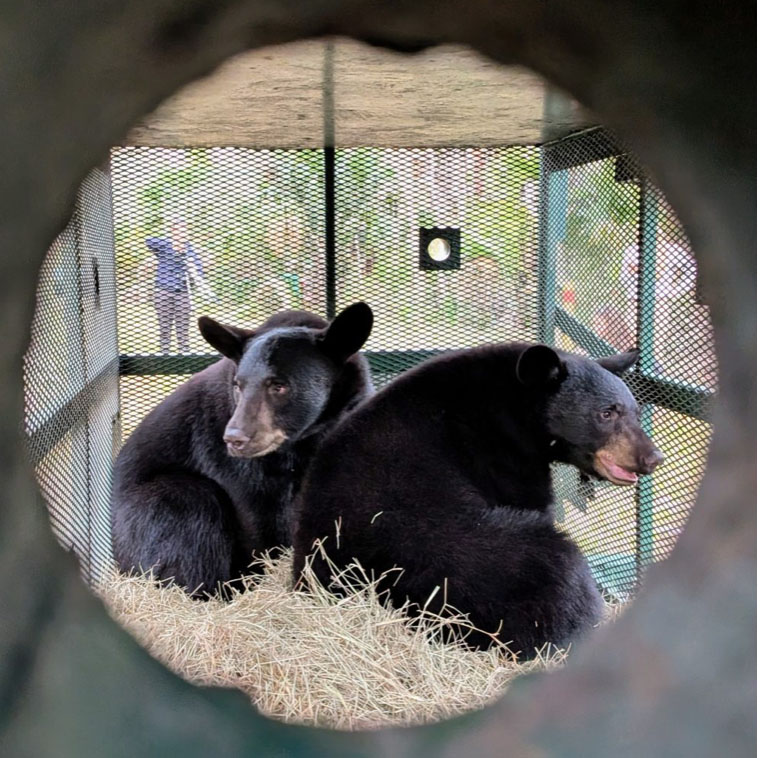
In January, Rickie and a group of rehabilitated cubs were released into suitable habitats across Florida.
While she initially demonstrated the independence and natural wariness needed to survive, officials had established a contingency plan due to her young age and unique circumstances.
In the months following her release, wildlife officials determined that Rickie had been fed by members of the public, which had made her overly comfortable around humans.
This behavior increases the risk of dangerous human-bear interactions and often prevents bears from remaining in the wild.














