
Car Accident Property Damage Claims: 9 Questions Drivers Ask Before Hiring a Lawyer
By Space Coast Daily // May 13, 2026
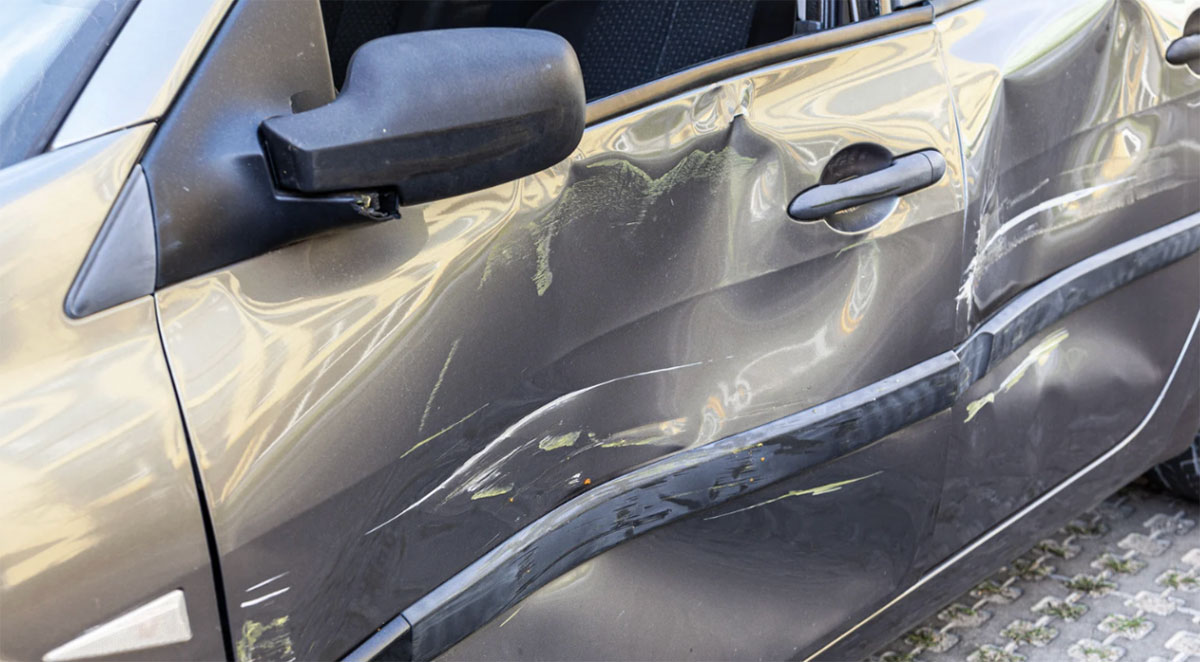
Most people who hire a car accident lawyer are focused on their injuries. The property damage side of the claim gets less attention until the insurance company sends a total loss offer that does not match what the car was actually worth. Car accidents are expensive. The totaled vehicle, the rental car, the drop in resale value all carry their own disputes and surprises.
These are the nine questions injured drivers ask most often before signing any representation agreement.
Do Car Accident Lawyers Charge Fees on Property Damage?
It depends on the firm and how the contract is written.
Some firms apply their contingency fee to the full recovery. That means bodily injury and property damage combined. That means the lawyer takes a percentage of your total loss payout, your rental reimbursement, and any diminished value recovery, not just your injury settlement.
Other firms limit the fee to the bodily injury portion and assist with property damage separately.
The difference matters. A 33 percent fee on a $12,000 total loss payout is $4,000 out of a vehicle settlement that was probably already below what your car was worth.
Before signing anything, ask specifically how the fee applies to the vehicle side of the claim. Then check that the written contract says the same thing.
Property damage claims follow different legal rules than bodily injury claims. A car accident attorney in Houston at Sutliff and Stout can walk through how each portion of a claim is structured before any agreement is signed.
A driver described being told verbally that no fees would apply to the vehicle payout, then finding the written contract used language broad enough to cover it. The verbal conversation and the contract were two different documents.
Can Attorney Fees Be Limited to Bodily Injury Only?
Yes, and it is worth asking for.
A representation agreement can be drafted to apply the contingency fee only to the bodily injury recovery. The firm then handles property damage issues separately, sometimes at no additional fee.
Not every firm will agree to this structure. But it is a legitimate ask, and some firms offer it as standard practice.
If this matters to you, bring it up in the first conversation. Ask whether it can be written into the agreement. Do not proceed until the contract reflects what you were told.
What Is a CCC Valuation and Can You Dispute It?
CCC ONE is an automated vehicle valuation tool used by most major insurers to calculate total loss offers. When your car is declared a total loss, the insurer runs a CCC report that pulls comparable vehicle listings and produces a market value estimate.
That estimate becomes the opening offer.
The problem is that CCC reports often use comparables from other markets where prices are lower, apply condition adjustments that do not reflect your car’s actual history, or miss upgrades and documented maintenance that would raise the value.
You can dispute the valuation. The way to do it is to find real comparable vehicles in your local area that match on make, model, year, trim, and mileage, and show what they are actually selling for. Dealer listings help. Actual purchase orders showing what buyers paid are stronger.
Submit the documentation in writing, not over the phone.
Insurers do adjust their offers when the counter-evidence is organized and specific.
A driver received a CCC valuation based on comparables from a market two hours away where the same model sold for several thousand dollars less. She found three local dealer listings for identical vehicles at higher prices, submitted them in writing, and the insurer increased the offer.
What Is a Diminished Value Claim?
Diminished value is the drop in your car’s resale value because it now has a crash on its history, even after repairs are complete.
A repaired vehicle is worth less on the resale market than an identical vehicle with no accident history. That difference is a real financial loss, and in most states it is recoverable when another driver caused the crash.
There are three types:
- Inherent diminished value is the loss caused by the crash history itself, regardless of how well the car was repaired.
- Repair-related diminished value reflects additional loss from incomplete or poor repairs.
- Immediate diminished value is the gap between what the car was worth before the crash and what it was worth right after, before any repairs.
Pursuing this claim requires an independent appraisal. Not all firms handle diminished value as part of standard representation, so ask specifically whether it is included and whether a separate fee applies.
What Is a Loss-of-Use Claim?
Loss of use covers the cost of not having access to your vehicle while it is being repaired or replaced.
When another driver caused the crash, their insurer is responsible for providing you with a rental car or paying a daily rate for the period your vehicle is unavailable.
The issue is that insurers often cap rental reimbursement at a daily rate lower than what a comparable rental actually costs. And when the total loss determination drags out, the rental period extends beyond what the insurer covers.
Document the rental period, the actual costs, and any correspondence where the insurer limits reimbursement. The out-of-pocket gap between what they cover and what you paid is part of the property damage claim.
Is the Contingency Fee Taken Before or After Case Expenses?
This is one of the most important questions to ask, and the answer varies by firm.
There are two structures.
In a gross fee arrangement, the attorney’s percentage is calculated from the total recovery before expenses are deducted. On a $100,000 recovery with $10,000 in expenses, a 33 percent gross fee is $33,000. You receive $57,000.
In a net fee arrangement, expenses come out first. The attorney’s percentage is calculated on what remains. On the same $100,000 recovery, expenses reduce the base to $90,000. A 33 percent net fee is $29,700. You receive $60,300.
On a complex case with significant litigation costs like expert witnesses, depositions, medical records, and accident reconstruction, the difference between gross and net can be thousands of dollars.
Ask the question directly. Make sure the contract specifies which method applies.
Can You Negotiate the Total Loss Offer?
Yes. The first offer is not final.
The CCC report that generated the number is an automated estimate. It can be countered with market evidence showing your car was worth more.
The most effective counter includes dealer purchase orders for comparable vehicles in your area. Not just listing prices. What buyers actually paid in recent transactions. That data is harder for an insurer to dismiss than a general valuation guide.
Submit everything in writing. Keep copies of every exchange.
Florida law requires insurers to negotiate in good faith on total loss valuations. If an insurer refuses to engage with documented counter-evidence, that behavior can be reported to the Florida Department of Insurance.
What Documentation Makes the Strongest Case?
Four categories of documentation consistently produce better outcomes in property damage disputes.
Local comparable listings show what identical or near-identical vehicles are selling for in your area. Match the make, model, year, trim, and mileage as closely as possible.
Dealer purchase orders go further. They show what buyers actually paid, not just what sellers asked.
Vehicle condition records support a higher pre-loss value. Service records, recent maintenance receipts, and any prior independent appraisals help establish your car was in better shape than the CCC report assumed.
Written communication logs preserve the negotiation. Every exchange with the insurer about the valuation, the counter-offer, and the timeline should be in writing. Phone calls are easy to dispute later.
A driver who assembled all four categories before submitting a counter-valuation had the insurer revise their offer within five business days.
How Long Does Property Damage Take Compared to a Bodily Injury Claim?
Property damage moves faster.
A straightforward total loss case with clear liability and organized documentation can close in two to four weeks. Valuation disputes, diminished value claims, and unresponsive adjusters push that timeline out.
Bodily injury claims take longer because treatment needs to reach maximum medical improvement before the full value of the claim can be calculated. Settling the injury side too early risks accepting an amount that does not cover future care.
The two claims do not need to resolve at the same time. Many drivers resolve the vehicle claim in the first few weeks and continue treating injuries separately. Whether your representation agreement allows for that separation is worth confirming before you sign.
The questions above are the ones drivers ask when they are paying attention. Understanding how attorney fees apply to property damage, how CCC valuations work, and what documentation supports a counter-offer does not require a lawyer. It requires asking the right questions before any agreement is signed.













