How Preventive Roof Maintenance Can Save Homeowners Money
By Space Coast Daily // May 25, 2026
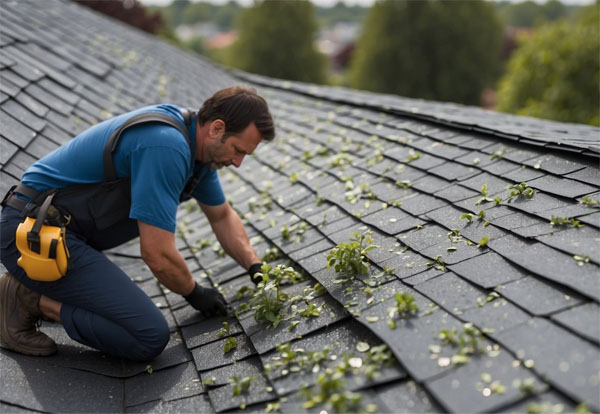
Are you tired of finding leaks and paying surprise bills after big rains?
A damaged roof can cut its life short and raise repair costs.
This post shows simple upkeep steps that spot issues early and save money.
Read on to learn what to do.
Key Ways Preventive Roof Maintenance Saves Money
Preventive roof maintenance can help you save money in many ways. Keeping an eye on your roof stops small problems from becoming big, costly repairs later.
Reduced Repair Costs Through Early Issue Detection
Early roof inspections catch loose shingles, cracked flashing, and clogged gutters. A roof inspection finds small problems fast. Roof repair stays simple and cheap when issues are small.
Homeowners see clear cost savings this way.
Timely maintenance programs address leaks before they spread into sheathing or insulation. Fixing a small leak costs far less than replacing water-damaged drywall or stored belongings.
Roofing contractors recommend checks at least twice a year. This routine protects property value and cuts long-term repair costs.
Extended Roof Lifespan to Delay Replacement Expenses
Following quick repairs, regular maintenance helps lengthen a roof’s life. Small fixes stop damage from spreading. Roof inspection finds cracked shingles, loose flashing, and clogged gutters.
A maintenance program replaces worn parts and seals weak spots. Homeowners lower repair costs and protect property value.
Routine care delays full replacement. Contractors extend lifespan for asphalt, metal, and tile roofs. Scheduled inspections and roof repair keep roofing materials in better shape. Energy efficiency stays higher with fewer leaks and drafts.
Regular maintenance saves homeowners money over time.
Prevention of Costly Interior Water Damage
A leaky roof lets water soak into ceilings, walls, and insulation. Regular roof inspection and maintenance catch loose shingles, clogged gutters, and failed flashing before they lead to interior water damage.
Quick repairs cut repair costs and protect home value for homeowners. A roofing contractor can seal leaks and replace damaged underlayment to keep energy efficiency and extend roof lifespan.
Lower Insurance Premiums with Regular Maintenance
Homeowners can lower insurance premiums by keeping up with regular roof maintenance. Insurers often reward those who care for their roofs with better rates. A well-maintained roof is less likely to have major problems, which lowers the risk for the insurer.
Regular inspections and repairs demonstrate that homeowners are proactive about protecting their property.
Many roofing contractors recommend restoration roofing as a cost-effective solution to extend the life of your roof.
This preventive care can lead to savings over time. Many insurance companies offer discounts for homes with updated roofs or documented maintenance records. Keeping a clean and sound roof protects your home and helps save money on insurance costs.
Improved Energy Efficiency and Reduced Utility Bills
A well-maintained roof boosts energy efficiency. It keeps the home cooler in summer and warmer in winter. Proper sealing and insulation help reduce heat loss. This means your heating and cooling systems work less hard.
Lower energy usage leads to smaller utility bills. Regular inspections find problems like loose shingles or gaps that let air escape. Fixing these issues can lead to significant savings over time.
By caring for your roof, you protect your wallet while staying comfortable at home.
What’s Included in Preventive Roof Maintenance
Preventive roof maintenance includes regular checks for damage and wear. It also involves cleaning debris to keep your roof in good shape.
Inspections for Damage and Wear
Inspections play a vital role in roof maintenance. They help identify problems before they worsen.
1. Regular checks find leaks early. Spotting leaks can prevent expensive repairs later.
2. Inspections reveal signs of wear, such as missing shingles or cracks. Addressing these issues keeps your roof strong.
3. Professionals assess the overall condition of the roof. Their expertise ensures nothing is overlooked.
4. The process includes checking seams and flashing for damage. These areas are often weak points in roofing.
5. Inspections consider weather effects on roofs. Harsh weather can cause unseen damage that needs attention.
6. Detecting mold or mildew during inspections is essential. These issues can lead to health problems and costly fixes.
7. Comprehensive reports come from professional inspections. This information helps homeowners plan for future maintenance.
8. Scheduled inspections provide peace of mind for homeowners. Knowing your roof is in good shape reduces stress about potential issues.
9. Documentation from inspections may lower insurance premiums over time. Insurance companies may offer discounts for well-maintained roofs.
10. An inspection typically lasts less than an hour, saving you time while protecting your investment effectively.
Taking care of your roof through regular inspections saves money on repairs and extends its lifespan significantly.
Cleaning and Clearing of Debris
Cleaning and clearing debris from the roof is vital for maintenance. It helps keep the roof in good shape and prevents future problems.
1. Leaves and twigs can trap water on the roof. This extra water can lead to leaks and rot over time.
2. Dirt buildup can damage roofing materials. Regular cleaning protects these materials and extends the roof’s lifespan.
3. Clogged gutters can cause water to overflow. Clearing out gutters ensures proper drainage, preventing costly repairs.
4. Debris on the roof can attract pests like rodents or insects. Keeping it clean helps protect your home from these unwanted guests.
5. A clean roof looks better and adds value to your home. Curb appeal is important when considering property value.
Maintaining a clean roof saves homeowners money by avoiding damage and keeping repairs low.
Resealing and Repairing Vulnerable Areas
Resealing and repairing vulnerable areas is a key part of preventive roof maintenance. This work helps keep roofs strong and safe from damage.
- Checking for spots that need repair. Inspecting the roof often finds cracks or loose materials. Fixing these issues early saves money later.
- Sealing around vents and chimneys. These areas are prone to leaks. Resealing them prevents water from entering your home.
- Repairing flashing. Flashing protects joints on the roof. Damaged flashing can lead to leaks, so fixing it is crucial.
- Replacing broken shingles. Missing or damaged shingles expose the roof to the elements. Quick replacement keeps your roof intact.
- Inspecting sealants around skylights. Sealants may wear out over time. Resealing ensures they remain watertight.
- Addressing drainage issues. Clogged gutters can trap water on your roof. Regularly cleaning and checking drains prevents overflow and damage.
- Maintaining gutter systems. Well-kept gutters direct water away from the house. This reduces stress on the roof and prevents costly repairs.
Taking care of these small areas leads to big savings for homeowners in repair costs down the line.
Choosing a Reliable Roofing Service
Find skilled roofing experts to care for your roof. Check their experience and past reviews to ensure you’re making a good choice.
Importance of Experienced Professionals
Experienced professionals make a big difference in roof maintenance. They know how to spot problems early. These experts can find issues that may not be obvious to an untrained eye.
Fixing small problems now prevents larger, costlier repairs later.
Choosing skilled roofing contractors ensures quality work. Proper maintenance keeps roofs safe and lasts longer. An experienced team also understands the best materials for your home.
This knowledge helps avoid common mistakes and saves money over time. Homeowners benefit greatly from hiring seasoned pros for roof care and inspections.
Factors to Consider When Selecting a Maintenance Plan
Moving from the importance of skilled roofers, these plan factors help you pick the right service.
| Factor | Summary Points |
|---|---|
| Cost |
|
| Service Frequency |
|
| Scope of Work |
|
| Technician Qualifications |
|
| Warranties and Guarantees |
|
| Emergency Response |
|
| Materials and Methods |
|
| Inspection Reports |
|
| Plan Flexibility |
|
| References and Reviews |
|
Conclusion
Preventive roof maintenance is a smart choice for homeowners. It saves money by catching problems early. This practice also extends the lifespan of your roof, delaying replacement costs.
Regular care prevents leaks that can damage your home’s interior and raises energy efficiency. Invest in upkeep today to protect your home and keep more cash in your pocket tomorrow.