
How to Choose Trailer Storage in Tucson AZ
By Space Coast Daily // May 18, 2026
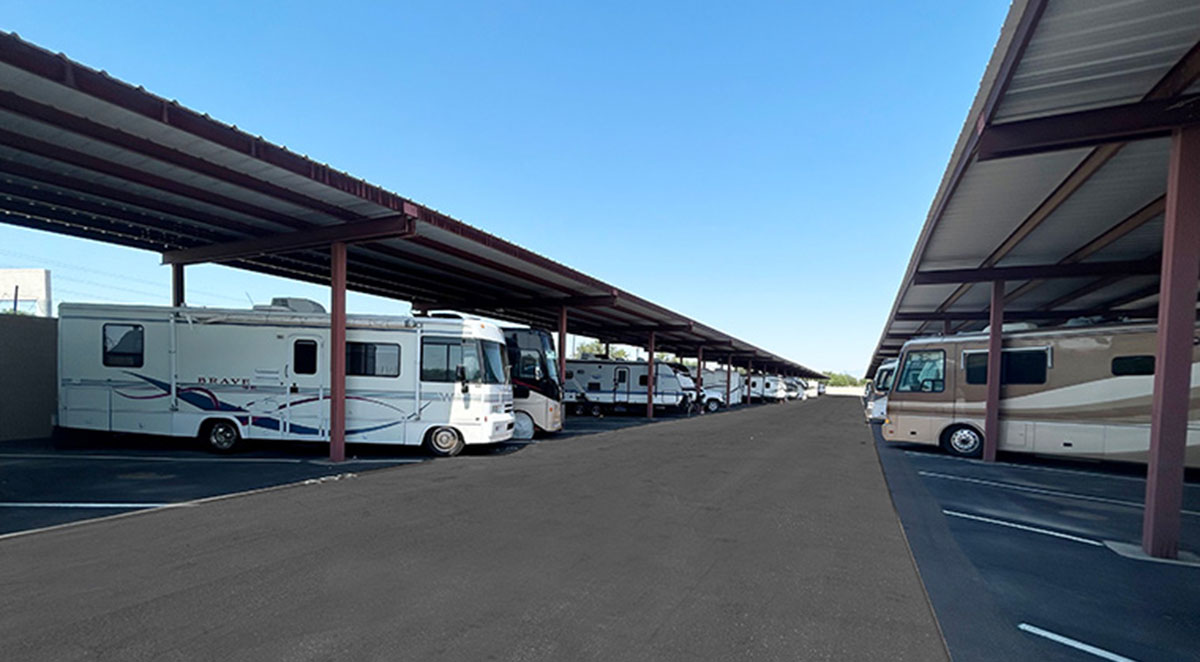
Tucson’s desert climate is unforgiving, and leaving a trailer exposed to intense UV radiation, extreme heat, and dust without proper protection is a reliable way to shorten its lifespan. Whether you own a utility hauler, a recreational vehicle, or a boat trailer, finding a storage facility that genuinely protects your investment requires more than a quick search and a price comparison. The right facility balances physical security, weather protection, and practical accessibility in a way that matches how you actually use your trailer throughout the year.
In this article, we walk through the key factors Tucson owners should evaluate before committing to a storage facility. From sizing your space correctly and choosing between indoor and outdoor options, to assessing security infrastructure and understanding insurance requirements, this guide covers everything you need to make a confident, well-informed decision.
Key Takeaways
• Always measure your trailer’s full length and height, including any roof-mounted accessories, before reserving a storage space.
• Indoor storage offers the strongest protection against Arizona’s UV rays and heat, while covered outdoor parking provides a practical middle-ground option.
• Electrical hookups for battery maintenance are a valuable amenity for trailers stored through long off-season periods.
• Facilities with 24/7 HD surveillance, reinforced perimeter fencing, and on-site management offer meaningfully stronger protection than basic alternatives.
• Proximity to major Tucson routes such as I-10 and I-19 reduces retrieval time and makes frequent access significantly more convenient.
Assessing Your Specific Trailer Storage Needs
Before evaluating any facility, it is worth taking the time to understand exactly what your trailer requires in terms of space, protection, and amenities. Storage needs vary considerably depending on the type of trailer, how frequently you access it, and the condition you need to maintain it in between uses. Rushing this step often leads to signing up for a space that is either too small, too exposed, or missing a feature you will wish you had arranged from the start.
A clear picture of your requirements also puts you in a stronger position when speaking to facility managers, making it easier to ask the right questions and compare what different providers are actually offering.
Measuring Length and Height Requirements
The starting point for any storage search is accurate measurements. Measure your trailer from the hitch pin to the rear bumper, and factor in any accessories that extend beyond that footprint, such as spare tire mounts, bike racks, or tow bars. For height, measure from the ground to the highest point on the roof, including any vents, air conditioning units, or antennas.
Arriving at a facility with a trailer that does not fit the reserved space creates unnecessary delays and can sometimes result in additional fees or the need to find alternative arrangements at short notice. Having your measurements documented before you begin comparing facilities eliminates this risk entirely.
Indoor Versus Outdoor Storage Options
The choice between indoor and outdoor storage comes down to the level of protection you need and the budget you are working with. Each option has a distinct set of trade-offs worth understanding clearly before making a decision.
• Outdoor spaces are the most affordable option and are well suited to large rigs that need straightforward drive-in, drive-out access.
• Indoor units provide the strongest protection from UV degradation, protecting your trailer’s paint, seals, and rubber components from Arizona’s intense sun exposure.
• Covered outdoor parking sits between the two in both cost and protection, shielding your trailer from direct sunlight without the higher price point of a fully enclosed unit.
For trailers with sensitive interiors, high-quality paintwork, or components that are particularly vulnerable to heat damage, the additional cost of indoor or covered storage is generally a worthwhile investment over a long storage period.
Electrical Hookups for Battery Maintenance
If your trailer is equipped with a battery, storage facilities that offer electrical hookups are worth prioritising. Connecting a trickle charger during the off-season keeps the battery at an appropriate charge level, preventing the sulphation and capacity loss that occurs when batteries are left to discharge completely over extended periods. Arriving at your trailer ready for a trip, only to find a flat battery, is a frustrating and avoidable problem.
Not all facilities offer this amenity, so it is worth confirming availability and any associated cost before committing. For owners who store their trailers for several months at a time, electrical access is a practical feature that pays for itself in avoided replacement costs.
Climate Control Needs in the Arizona Heat
Tucson’s summer temperatures regularly exceed 100 degrees Fahrenheit, and the interior of a sealed trailer in direct sun can reach significantly higher temperatures than the ambient air outside. For trailers containing electronics, upholstered seating, wooden cabinetry, or other heat-sensitive components, climate-controlled storage is the most reliable way to prevent long-term damage from repeated thermal stress.
Climate control is not a necessity for every trailer type, but for those where interior condition is closely tied to resale value or usability, the cost of a climate-controlled unit is modest compared to the cost of replacing damaged components. A realistic assessment of your trailer’s interior materials and electronics will tell you whether this feature belongs on your must-have list.
Evaluating Security and Accessibility
Once you have a clear picture of your storage needs, the next step is evaluating the security infrastructure and practical accessibility of the facilities you are considering. These two factors have the greatest influence on your day-to-day experience as a tenant and on the safety of your trailer throughout its time in storage. A facility that is secure but inconvenient to access creates friction every time you need your trailer. One that is conveniently located but poorly secured creates risk that no amount of convenience can offset.
The best facilities address both dimensions seriously, and the differences between a basic operation and a well-managed premium site become clear quickly when you know what to look for.
Surveillance Systems and Perimeter Fencing
A credible security setup begins with comprehensive camera coverage and a well-maintained physical perimeter. Facilities worth considering operate 24/7 digital surveillance across all entry points, exit points, and internal areas of the site. Camera systems serve both as a deterrent against opportunistic theft and as an evidentiary resource in the event that an incident does occur.
The quality of perimeter fencing matters equally. Heavy-duty chain link, masonry walls, or reinforced steel barriers create a meaningful physical barrier that defines the boundary of the property and makes unauthorized access significantly more difficult. The table below illustrates how security provision typically differs between basic and premium facilities:
| Security Feature | Basic Facility | Premium Facility |
| Surveillance | Limited cameras | 24/7 HD monitoring |
| Gate Access | Manual lock | Electronic keypad |
| Staffing | Remote only | On-site management |
| Fencing | Standard wire | Reinforced perimeter |
On-Site Management and Controlled Gate Access
Electronic gate access systems that operate via unique personal codes or key cards provide a reliable record of who enters and exits the facility and at what time. This access logging is a practical security feature that deters misuse and creates accountability among tenants. Facilities that still rely on a single padlocked gate offer considerably less control over who has access to the site at any given time.
On-site management adds a further layer of security that camera systems alone cannot replicate. Staff who are physically present on the property can identify unusual behaviour, verify the identity of individuals on site, and respond to incidents in real time. For owners storing high-value trailers, the presence of on-site personnel is a meaningful differentiator between facilities that are broadly comparable on other criteria.
Proximity to Major Tucson Highways
When searching for trailer storage options in Tucson AZ, factoring highway proximity into your comparison is particularly worthwhile if you anticipate accessing your trailer frequently throughout the season.
For owners who use their trailers regularly, the location of a storage facility relative to the main road network has a direct and ongoing impact on how convenient the experience is. Facilities located close to Interstate 10 or Interstate 19 allow you to collect your trailer and get moving without navigating through residential streets or adding significant time to your journey.
Remember: if you’re someone who uses their trailer on most weekends during peak season, a poorly located facility can become a genuine source of frustration over time.
Access Hours, Facility Policies, and Insurance
Before signing any storage contract, confirm the facility’s access hours and read the full terms of the tenant agreement carefully. Some facilities offer 24-hour access seven days a week, while others restrict entry to daylight hours or specific operating windows. Understanding these limits before you commit ensures there are no surprises when you need to collect your trailer outside of standard hours.
Most reputable storage providers require tenants to carry a minimum level of insurance coverage for stored vehicles. This protects both the facility and the owner in the event of fire, theft, weather damage, or other unforeseen incidents.
Confirm the minimum coverage requirements before signing, and check whether your existing vehicle or home insurance policy extends to cover items in off-site storage, as this is sometimes the case and can eliminate the need for a separate policy.
Conclusion
Choosing the right trailer storage facility in Tucson requires a structured approach that accounts for your trailer’s specific dimensions, protection requirements, and how frequently you need to access it. Facilities that combine strong physical security with practical amenities like electrical hookups, covered or indoor parking, and convenient highway access represent the best overall value, even when their headline price is not the lowest available.
Taking the time to visit sites in person, ask detailed questions, and review policy documents before committing is the most reliable way to ensure your trailer remains in excellent condition and is always ready when you need it.
FAQs
How Do I Measure My Trailer for a Storage Space?
Measure from the hitch pin to the rear bumper for total length, and include any accessories that extend beyond either end. For height, measure from the ground to the highest fixed point on the roof, including vents or air conditioning units. Having these figures on hand before contacting facilities saves time and prevents the risk of reserving a space your trailer will not fit into.
Is Indoor Storage Worth the Extra Cost in Tucson?
For trailers with painted exteriors, rubber seals, or heat-sensitive interior components, indoor storage offers meaningful protection against Arizona’s UV intensity and high temperatures. The cost difference between indoor and outdoor spaces varies by facility, but the savings on avoided repairs and preserved resale value generally justify the premium for owners storing trailers through the summer months.
What Security Features Should a Reliable Facility Have?
At minimum, look for 24/7 camera surveillance covering all access points, a controlled electronic gate entry system, and reinforced perimeter fencing. On-site management during operating hours adds a further layer of security that is particularly valuable for long-term storage of high-value trailers.
Do I Need Insurance to Store My Trailer in Tucson?
Most storage facilities require tenants to carry a minimum level of insurance as a condition of the rental agreement. Before purchasing a separate policy, check whether your existing vehicle or homeowner’s insurance extends to cover items stored at an off-site facility, as this can often meet the minimum requirement without additional cost.
How Important Is Highway Access When Choosing a Storage Facility?
For owners who access their trailers frequently, proximity to major routes like I-10 or I-19 has a tangible impact on how convenient the overall experience is. It reduces travel time, simplifies towing in busy traffic, and makes it easier to get on the road quickly after collection. For occasional users, location carries less weight, but it remains worth factoring into your comparison alongside security and pricing.













