
How to Pay for Hurricane Repairs Without New Debt
By Space Coast Daily // May 26, 2026
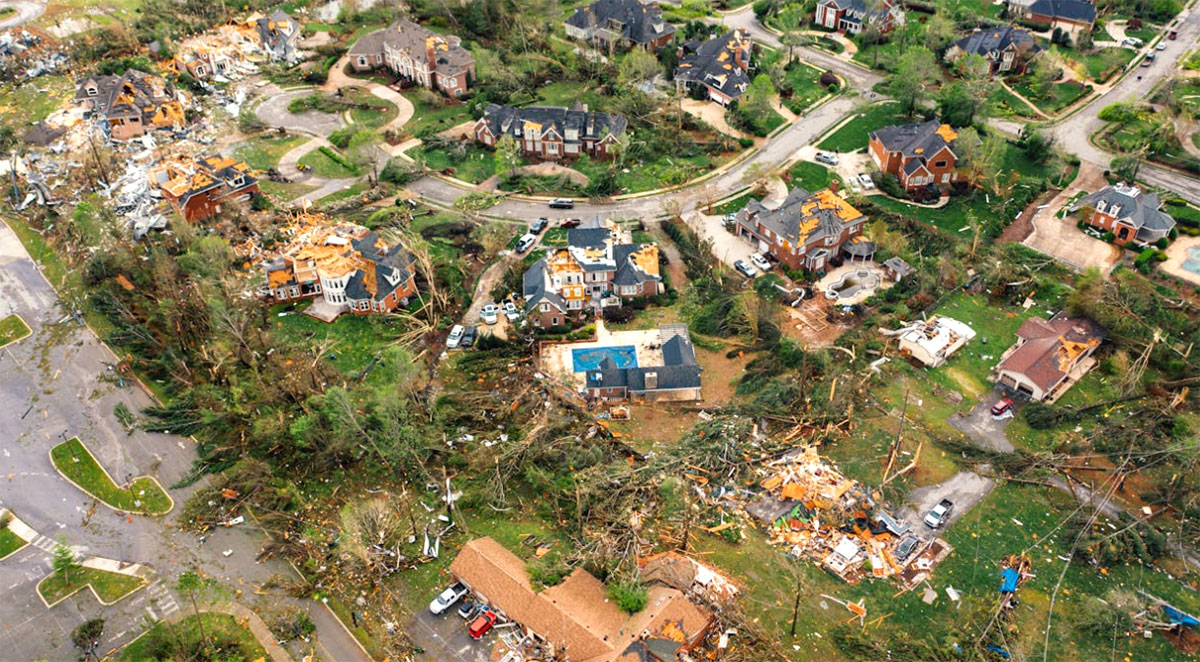
When you are left staring at roof leaks, soaked drywall, and repair quotes that feel insurmountable, panic may prompt you to reach out for credit cards or high-interest loans within days of a hurricane’s rampage. However, taking a deep breath, stopping yourself from freaking out, and then considering your choices might offer you the best shot.
You may just have to take the time to understand insurance timing, disaster aid, contractor payment terms, and emergency funding strategies, so that you can efficiently rebuild your property without creating years of additional financial hurdles going your way.
Storm Damage Bills Feel Urgent, But Fast Borrowing Can Backfire
After being devastated by a hurricane, urgency pushes many homeowners into expensive financial choices. That is why, according to the Insurance Information Institute, hurricane-related insured losses in the United States regularly reach tens of billions of dollars annually, especially in its coastal states like Florida.
This pressure becomes even worse when homeowners are faced with contractors that demand deposits before their insurance payouts are even processed and released. Some homeowners use personal loans immediately, only to discover later that insurance reimbursements covered most repairs anyway. To avoid these hurdles and instead of rushing into debt, start by separating projected repairs into three categories.
-
Emergency stabilization
-
Insurance-eligible repairs
-
Cosmetic improvements that can wait
These steps, albeit simple, can help you avoid borrowing more money than necessary.
Insurance Timing Can Save You Thousands Later
One costly mistake you make after a hurricane is rushing to accept the first insurance estimate. The Federal Emergency Management Agency (FEMA) encourages you to carefully document everything before you invite a repair crew in and begin re-roofing, since clear proof can change your payout later.
You need to make your claim solid; that’s why you have to keep and provide reliable photos, videos, receipts, and even documents of small and temporary fixes. Many of today’s Space Coast homeowners also miss coverage for debris cleanup, temporary shelter, mold issues, and required code upgrades, so a detailed Florida hurricane insurance guide can help you avoid blind spots. You need not push for phased contractor payments instead of large upfront deposits.
More builders now use milestone billing, since insurers release funds in stages, helping ease your financial bumps effectively. At the same time, local credit unions and disaster relief programs can be of help, with their offers of short-term support at a lower overall cost, helping you bridge gaps while claims are still on the way.
Turning Future Payments Into Immediate Repair Cash
Many homeowners may already have a nest egg of investments they can access to fund repairs without initiating a new debt account. Sometimes those investments are in the form of structured settlements or annuity payments that could generate instant resources when a home repair can’t wait.
When you are in need of fast cash for your annuities, some expert firms and platforms like Annuity Freedom can explain how lump sum settlement options work, and help you evaluate whether selling your future payments can be more advantageous. The process typically involves reviewing payment schedules, transfer approvals, fees, timing, and possible tax considerations. This option works best when used carefully and strategically.
You’ll have to compare the long-term value of future payments against the immediate cost of storm recovery before making a final decision.
Grants And Disaster Programs Often Go Unused
Many homeowners assume disaster grants only apply to extreme financial hardship. In reality, several state, federal, and nonprofit recovery programs assist middle-income families after major storms.
Some U.S. agencies, like the Small Business Administration (SBA) and its disaster loan initiative, are often misunderstood sources of assistance. Although technically a loan program, SBA disaster loans, for example, often provide lower interest rates and longer repayment flexibility compared to private lending, so it is not a grant. If you’re a Florida homeowner, you also need to monitor county emergency management offices and nonprofit rebuilding groups after hurricanes.
These relief programs sometimes cover roofing, accessibility repairs, temporary tarping, or critical structural works. Although you need to keep tabs and act timely, since many programs operate within limited application windows after every federally declared disaster.
Your Smartest Recovery Move Starts Before Panic Does
It pays if you are more proactive and act before panic mode locks in. This way, you can bounce back early after a hurricane.
Just make sure to document everything, negotiate payment timing, and explore grants before looking at loan proposals. It may not be the most remarkable approach, but it can help you prevent years of financial hassles. So when the next storm season arrives, protecting your home need not mean sacrificing your finances and future cash flow.













