
What to Do When You Need Urgent Dental Care
By Space Coast Daily // May 25, 2026
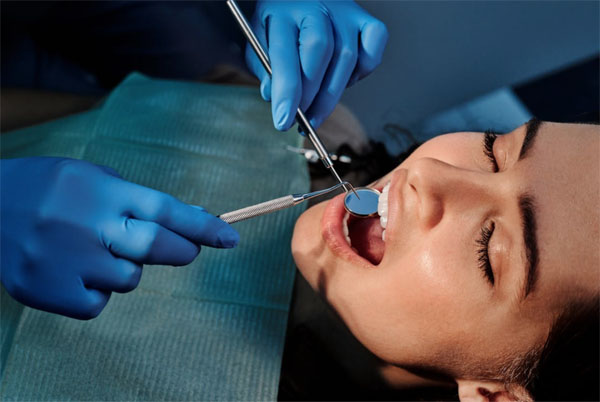
Has a sudden toothache or a broken tooth left you worried and unsure what to do? Many dental issues need care within 24 hours. This post will show quick first aid steps and when to see a dentist or go to the ER.
Keep reading.
What is Considered a Dental Emergency?
A dental emergency is when you have severe pain or a serious injury to your teeth or gums. This can include things like a cracked tooth, uncontrolled bleeding, or even losing a tooth completely.
Severe tooth pain
Severe tooth pain feels sharp or throbbing and can wake you at night. It often signals an abscess, deep cavity, or tooth injury that needs urgent care. Call your dentist or use emergency dental services if pain lasts more than 24 hours or if swelling or fever occurs.
While awaiting treatment, rinse with warm water and use over-the-counter pain relief per the label. Keep clear notes on symptoms and share them with your dentist for faster treatment and follow-up.
Cracked, chipped, or broken teeth
A cracked, chipped, or broken tooth counts as a dental emergency. It can cause sharp pain and make eating hard. Call your dentist for urgent care or a walk-in appointment. Protect the tooth and control bleeding with gentle pressure.
Save any broken pieces for the dentist to inspect.
Your dentist can offer pain relief and quick treatment. They may use bonding, crowns, or root canal therapy depending on the tooth injury. Emergency dental services aim to prevent infection and restore function.
Keep the tooth area clean and avoid hard foods before the visit. Next, learn what to do for a knocked-out tooth.
Knocked-out tooth
Knocked-out tooth needs fast action. Handle the tooth by the crown, not the root, in a dental emergency. Rinse it gently with clean water if it has debris. Place the tooth in milk or a saline solution to preserve cells.
Call an emergency dentistry clinic or urgent care right away. Time matters, aim for treatment within one hour for the best chance to save the tooth. Dentists may reimplant the tooth and provide pain relief and follow-up care.
Uncontrolled bleeding or swollen gums
Uncontrolled bleeding or swollen gums can be a serious issue. It may happen due to gum disease, injuries, or infections. If you notice blood when brushing or flossing, act quickly.
Rinse your mouth gently with warm water to clean it. Use gauze or a clean cloth to apply pressure on the area for 10 minutes. This helps stop the bleeding.
Swollen gums are often signs of an infection that needs urgent care. Pain and discomfort might follow swelling as well. If symptoms do not improve within a few minutes, contact your dentist right away for help with the issue at hand.
Immediate attention is vital in these situations to avoid further problems like tooth loss or more severe health concerns. Next, let’s discuss what steps to take during a dental emergency.
Immediate Steps to Take During a Dental Emergency
In a dental emergency, rinse your mouth with warm water right away. This helps clean the area and ease discomfort. Apply a cold compress to reduce any swelling you may have. If you’ve lost a tooth, keep it in milk or saline solution until you can see a dentist.
There are more steps to take for urgent care, so keep reading!
Rinse your mouth with warm water
Rinsing your mouth can help in a dental emergency. It keeps your mouth clean and soothes discomfort.
• Use warm water for the rinse. Hot or cold water may cause more pain.
• Swish the water gently around your mouth. This helps remove any food particles.
• Spit out the water after rinsing. Do not swallow it, especially if you have bleeding.
• Repeat as needed to feel comfortable. Keeping your mouth clean is important during a dental crisis.
• Avoid using mouthwash or alcohol-based products at this time; they can irritate sensitive gums.
Apply a cold compress to reduce swelling
After rinsing your mouth with warm water, applying a cold compress can help. This method is useful in easing swelling and pain.
• Use a clean cloth or towel to wrap ice or a bag of frozen vegetables. This protects your skin from the cold.
• Place the cold compress on the outside of your cheek. Position it near the area where you feel pain or swelling.
• Hold the compress in place for 15 to 20 minutes. Take breaks between applications to avoid skin damage.
• Repeat this process as needed throughout the day. Reapplying will help keep swelling down until you see a dentist.
• Cold therapy also helps numb sharp tooth pain. This relief makes waiting for treatment easier.
Preserve a knocked-out tooth in milk or saline solution
A knocked-out tooth can often be saved if you act fast. Keeping it moist is key.
• Place the knocked-out tooth in milk. Milk helps keep the roots alive.
• If milk is not available, use a saline solution. This also keeps the tooth safe.
• Avoid touching the root of the tooth. Handle it only by the crown, which is the part you see.
• If possible, gently rinse the tooth with water. Do this only to clean away dirt, not to scrub it.
• Try to place the tooth back in its socket. Hold it there while you get help if possible.
• If reinserting is not an option, keep it in your mouth between your cheek and gums. This keeps it warm and moist until you see a dentist.
Getting urgent dental care as soon as possible will give you the best chance for saving your tooth.
When to Visit the Emergency Room vs. the Dentist
Some dental issues need a dentist’s care. Others may require a trip to the emergency room for immediate attention.
Situations requiring a dentist
Dental issues can happen anytime. Some problems need a dentist right away.
1. Severe tooth pain needs urgent care from a dentist. This could be due to an infection or decay.
2. A cracked, chipped, or broken tooth calls for immediate dental help. Leaving it untreated can cause more damage.
3. If you have knocked out a tooth, see a dentist quickly. They may save the tooth with quick treatment.
4. Uncontrolled bleeding or swollen gums should not be ignored. These symptoms can signal serious problems that require a dentist’s attention.
5. Any dental abscess needs fast treatment from a dentist. An abscess is often very painful and can spread infection.
6. Pain while biting or chewing can mean trouble with your jaw or teeth. A dentist should check this issue soon.
7. If you have a filling that falls out, visit the dentist without delay. This can lead to further damage if not fixed quickly.
8. Orthodontic emergencies, like broken braces or wires, also need timely help from your dentist.
Seek urgent dental services when faced with these situations to ensure proper treatment and relief from pain and discomfort.
Situations requiring an ER visit
Situations may arise when a dental issue cannot wait for a dentist. Some cases need immediate help from an emergency room.
1. Uncontrolled bleeding requires urgent care. If your mouth keeps bleeding after 15 minutes of applying pressure, seek help right away.
2. Severe pain that does not go away can signal a big problem. If pain makes you feel faint or sick, visit the ER.
3. A knocked-out tooth often needs quick action. When this happens with heavy bleeding or fractures in the jaw, head to the nearest emergency room.
4. Swelling in the face may indicate an infection or a serious injury. If swelling affects your breathing or swallowing, get emergency care immediately.
5. Trauma to the mouth from an accident can lead to serious injuries. Go to the ER if you have cuts that won’t stop bleeding or damage to your jawbone.
If you’re experiencing a dental emergency, don’t hesitate to contact an emergency dentist in Astoria for immediate assistance.
Taking these steps can keep you safe and healthy until you see your dentist for further treatment.
What to Expect During an Emergency Dental Visit
During an emergency dental visit, the dentist will first check your mouth. They will look for any damage and ask about your pain.
Initial examination
The dentist will start with an initial examination of your mouth. They will check for any visible damage or signs of infection. This includes assessing your teeth, gums, and supporting structures.
X-rays may be taken to get a better view of the problem. These images help the dentist identify issues that are not easily seen.
Pain relief options will be discussed based on what they find. Short-term solutions might be offered to ease your discomfort immediately. A follow-up plan for treatment can also be created after the exam is complete.
You can expect clear steps to take from here as you progress towards proper care.
Pain relief and temporary solutions
After the initial examination, pain relief becomes a top priority. Over-the-counter pain relievers like ibuprofen or acetaminophen can help ease your discomfort. Follow the instructions on the label for proper dosage.
Cold compresses reduce swelling and numb pain. Apply one to the affected area for 15-20 minutes every hour as needed. If you have a cracked tooth, avoid chewing hard foods until you see your dentist.
For a knocked-out tooth, place it gently in milk or saline solution to keep it alive until treatment. These temporary solutions will provide some relief while you seek urgent care from your dentist for more lasting treatment options.
Follow-up plan for treatment
A follow-up plan is vital after emergency dental care. Your dentist will discuss the next steps based on your situation. You may need more treatments, like fillings or crowns, to fix any lasting damage.
Regular check-ups are important for ongoing oral health. Make sure to schedule these appointments with your dentist as needed. This helps prevent problems and keeps your teeth in good shape.
Follow their advice for home care too; it can aid your recovery and prevent future issues.
Conclusion
Urgent dental care is key when you face a crisis. Quick action can make a big difference. Whether it’s severe pain, a knocked-out tooth, or bleeding gums, don’t wait too long. Follow these steps and seek help right away.
Your smile matters and taking care of it is important!