
Essential Tips for Proper Dental Care
By Space Coast Daily // September 6, 2026
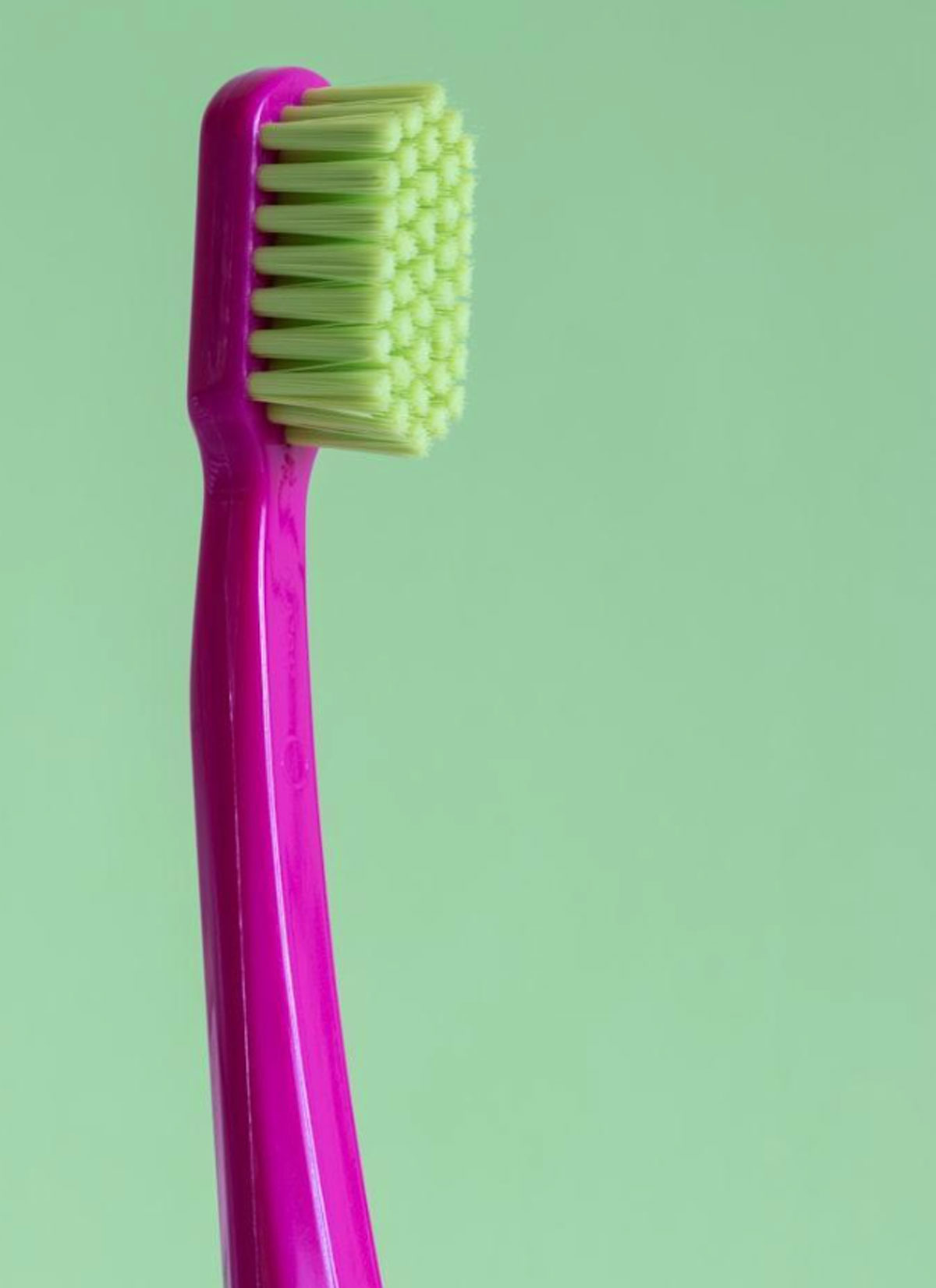
Taking control of your daily oral hygiene routine can transform your smile and prevent expensive dental visits down the road. Maintaining a clean mouth is straightforward once you build the right daily habits. By implementing simple changes to your morning and night routines, you can keep plaque away and preserve your tooth enamel for decades.
Image Source: https://unsplash.com/photos/purple-and-green-toothbrush-a4MRm2Zbj2E
Daily Brushing Habits That Make a Difference
Brushing twice every day serves as your first line of defense against plaque buildup and tooth decay. Most people hurry through this process without realizing they miss crucial surfaces along the gumline. Spend 2 full minutes moving your toothbrush in gentle circular motions across all sides of every tooth.
Selecting quality tools helps you clean every tooth effectively without damaging delicate gums. Switching to modern oral care products will help elevate your daily routine and protect your teeth long-term. Upgrading your toothbrush periodically makes a huge difference in how clean your mouth feels after every routine.
Using toothpaste containing fluoride strengthens enamel surfaces and helps prevent early decay from forming. Soft bristles are best because hard bristles can strip away protective enamel and irritate your gums. Replacing your toothbrush every 3 to 4 months keeps the bristles effective at wiping away soft debris.
Understanding the Role of Proper Technique
Angles matter just as much as the time spent scrubbing away surface debris. Hold your toothbrush at a 45-degree angle toward your gumline to sweep bacteria out of tight crevices. Heavy pressure is unnecessary and often leads to receded gums and sensitive tooth surfaces over time.
• Hold your toothbrush at a 45 degree angle to target the gumline
• Clean the outer, inner, and chewing surfaces of every single tooth
• Brush your tongue gently to eliminate bad breath bacteria
Rushing through your morning routine leaves hidden plaque behind to harden into stubborn tartar. Recent clinical data examining the optimal duration of daily tooth-brushing encounters relies on plaque indices, which are surrogate measures rather than direct measures of caries or gingivitis. Taking your time ensures every surface gets equal attention before plaque takes hold.
Cleaning Between Your Teeth Every Night
Toothbrush bristles simply cannot reach the tight spaces where adjacent teeth touch together. Daily flossing removes trapped food particles and sticky biofilm before bad bacteria multiply overnight. Thread the floss gently between your teeth without snapping it down hard into your gums.
Water flossers offer a great alternative for anyone who struggles with traditional string floss. Curved floss picks also make reaching back molars easier if you have limited dexterity. Making interdental cleaning a habit every single night stops hidden cavities from forming between teeth.
Rinsing Solutions for Extra Protection
Using an antimicrobial mouthwash adds another layer of defense to your complete oral care routine. Swishing for 30 seconds helps wash away remaining loose particles and reduces overall bacteria levels. Choose alcohol-free formulas to avoid uncomfortable burning sensations and dry mouth symptoms.
Rinsing with plain water after eating sugary snacks during the day offers quick protection. Water neutralizes harmful acids produced by lingering food particles before they attack enamel. Carrying a small bottle of mouthwash or water keeps your mouth fresh when on the go.
Dietary Habits That Support Healthy Teeth
What you eat directly impacts how strong your teeth remain against everyday wear and tear. Crunchy vegetables like carrots and celery stimulate saliva flow and naturally scrub tooth surfaces clean. Calcium-rich foods like milk, cheese, and yogurt provide necessary nutrients to keep jawbones strong.
Sugary sodas, candies, and acidic juices weaken enamel and create prime conditions for decay. Limiting sugary snacks between meals reduces the frequency of acid attacks on your teeth. When you do enjoy sweet treats, drink plenty of water alongside them to rinse away excess sugars.
Hydration and Saliva Production
Drinking plenty of tap water throughout the day keeps your entire mouth healthy and hydrated. Water rinses away loose food bits while keeping your oral tissues moist and comfortable. Saliva serves as your body’s natural defense mechanism against tooth decay and gum irritation.
Certain medications and lifestyle factors can cause dry mouth, which increases your risk of cavities. Counteract dry mouth by sipping water regularly and using specialized moisturizing oral sprays. Staying hydrated protects your enamel and keeps your breath smelling fresh all day.
Professional Cleanings and Routine Checkups
Even meticulous home care cannot remove hardened tartar once it binds to your teeth. Regular dental checkups allow professionals to scrape away stubborn deposits with specialized tools. Hygienists reach deep pockets and spots that standard toothbrushes miss completely.
Dentists also check for early signs of trouble like hairline cracks, gum recession, or oral lesions. Catching problems early saves you time, money, and discomfort from invasive procedures down the road. Schedule professional cleanings every 6 months to keep your smile in peak condition.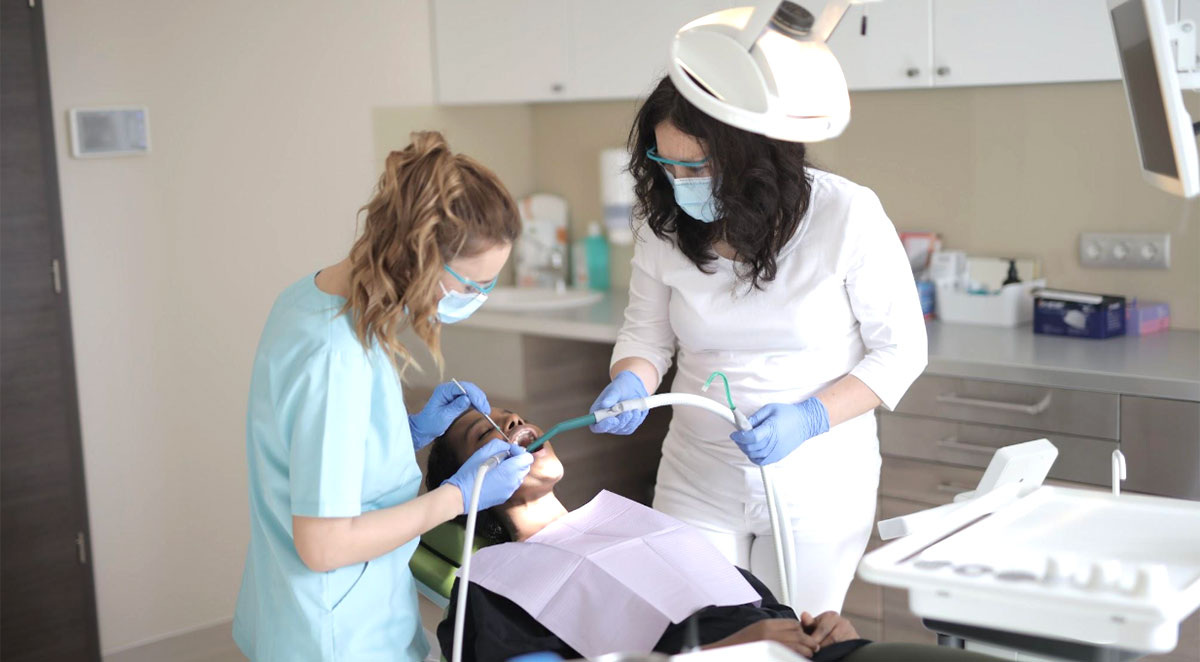
Building a solid dental care routine takes a little time and consistency, but the rewards last a lifetime. Combining daily brushing, flossing, healthy eating, and routine dental visits preserves your natural teeth. Take care of your mouth today, and your smile will stay strong for years to come.