Planning for Hurricane Season: Financial Steps Every Brevard Household Should Take
By Space Coast Daily // June 1, 2026
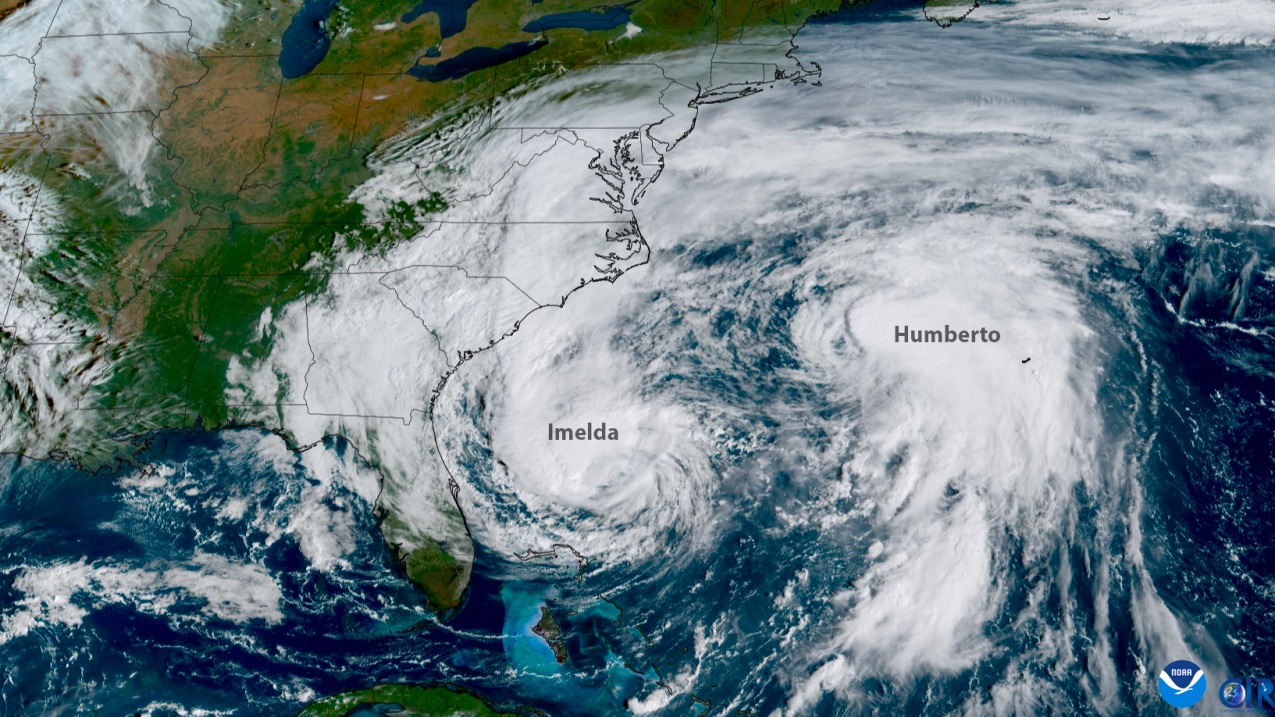
For Brevard County residents, hurricane season planning is a familiar routine. Many households know to check shutters, stock up on bottled water, trim trees, and keep flashlights nearby. But storm preparation is not only about physical supplies. It is also about being financially ready for the costs that can come before, during, and after a major weather event.
Evacuation expenses, insurance deductibles, temporary repairs, lost income, fuel, hotel stays, and spoiled groceries can all add up quickly. A strong financial plan can help Space Coast families respond faster and recover with less stress when storms threaten the area.
Review Your Insurance Before a Storm Is Named
One of the most important steps is reviewing your insurance coverage early. Once a storm is approaching, it may be too late to make changes or add certain protections.
Homeowners should check what their policy covers for wind damage, roof damage, water intrusion, and temporary living expenses. It is also important to understand what is not covered. Flood damage, for example, is usually separate from standard homeowners insurance.
Renters should review renters insurance to make sure personal belongings are protected. Drivers may also want to confirm whether their auto policy includes comprehensive coverage, which can help with storm-related damage from flooding, falling branches, or debris.
Before hurricane season gets busy, write down your policy numbers, insurer contact information, deductibles, and claim instructions. Keep both digital and printed copies in a safe place.
Build a Storm Emergency Fund
A storm emergency fund does not have to be large to be useful. Even a small amount set aside specifically for hurricane-related costs can make a difficult situation easier to manage.
This fund can help cover fuel, groceries, batteries, prescriptions, pet supplies, plywood, tarps, hotel stays, meals on the road, or temporary repairs. It can also help if you need to evacuate quickly and pay for transportation, lodging, or extra childcare.
If saving a large amount feels overwhelming, start with a smaller goal. Setting aside a little each paycheck can build a useful cushion over time. The key is to separate storm savings from everyday spending so the money is available when it is needed most.
Know Your Deductibles and Out-of-Pocket Costs
Many households are surprised by how much they may need to pay before insurance coverage begins. Hurricane deductibles can be different from regular homeowners insurance deductibles and may be based on a percentage of the insured value of the home.
In addition to deductibles, families may face costs for tree removal, temporary roof repairs, water cleanup, spoiled food, generator fuel, and short-term lodging. Some of these expenses may be reimbursed later, while others may not be covered at all.
Before hurricane season, estimate what you might realistically need to pay out of pocket after a storm. Having a number in mind can make it easier to plan ahead and avoid rushed decisions during an emergency.
Prepare for Power Outages and Home Protection Costs
Storm preparation often includes practical purchases. For Brevard households, this may include flashlights, batteries, portable chargers, water storage containers, tarps, first-aid supplies, weather radios, and nonperishable food.
Some families may also invest in larger items such as generators, storm shutters, roof inspections, tree trimming, or impact-resistant windows. These upgrades can be helpful, but they should be prioritized carefully.
Start with essentials first. Protecting people, pets, medications, food, water, and basic communication should come before cosmetic home improvements. If larger home protection projects are needed, gather estimates early so you can compare costs before hurricane season peaks.
Protect Important Financial Documents
After a storm, quick access to documents can make recovery easier. Store important papers in a waterproof folder or container, and keep secure digital backups when possible.
Documents to protect may include insurance policies, photo IDs, mortgage or lease paperwork, bank information, vehicle titles, medical records, birth certificates, Social Security cards, emergency contacts, and recent photos of your home and belongings.
Taking photos or videos of your property before a storm can also help if you need to file a claim later. Walk through each room, document valuable items, and save the files somewhere accessible if your phone or computer is damaged.
Plan for Income Interruptions
Hurricanes can affect income as well as property. Hourly workers, contractors, service employees, small business owners, and gig workers may lose work before or after a storm. Businesses may close, roads may be blocked, power may be out, or customers may cancel appointments.
If possible, talk with your employer about storm policies before an emergency. Ask about paid leave, remote work options, payroll timing, and expectations if evacuation orders are issued. Small business owners and freelancers should communicate with clients early and keep backup records of invoices, contracts, and payment information.
A few days of lost income can strain a household budget, especially when emergency costs arrive at the same time. Planning for that possibility can reduce pressure later.
Compare Backup Options Before You Need Them
Savings are the best first line of defense, but not every household has enough cash set aside for major storm expenses. That is why it helps to understand backup options before an emergency happens.
Depending on the situation, residents may consider payment plans, credit cards, insurance advances, community assistance, local relief programs, or help from family. For larger recovery expenses, some residents may compare options such as savings, payment plans, credit cards, community resources, or a personal loan to decide what best fits their situation.
The important thing is to compare costs, repayment terms, interest rates, and timing before making a decision. Avoid rushing into high-pressure offers, especially after a storm when scams and predatory services may become more common.
Create a Post-Storm Recovery Checklist
A recovery checklist can help your household stay organized once it is safe to assess damage. Start by taking photos and videos before moving or repairing anything. Keep receipts for supplies, repairs, hotel stays, meals, and other storm-related expenses.
Contact your insurance company as soon as possible if you need to file a claim. Follow their instructions carefully and ask what documentation is required.
Be cautious when hiring contractors after a storm. Avoid paying large amounts upfront, check licenses and reviews, and watch for anyone pressuring you to sign quickly. Prioritize urgent safety issues first, such as roof damage, electrical hazards, flooding, broken windows, or blocked access.
Final Thoughts
Hurricane preparation is both practical and financial. Stocking supplies and protecting your home are important, but so is preparing for deductibles, evacuation costs, lost income, and recovery expenses.
For Brevard households, a little planning before a storm can make a major difference afterward. By reviewing insurance, building an emergency fund, protecting documents, and understanding backup options, families can move through hurricane season with more confidence and less financial stress.