
Strategic Considerations When Expanding Your Commercial Footprint
By Space Coast Daily // June 23, 2026
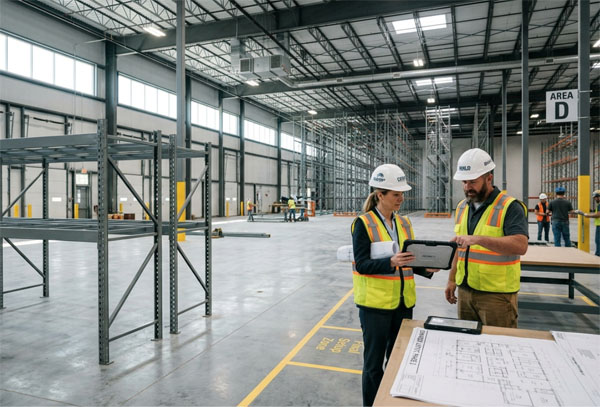
Expanding a physical footprint is one of the clearest indicators that a business has outgrown its current operational capacity, and, with commercial premises costs ranging from $10 to $40 per square foot, depending on location, it’s a key financial decision. Whether you are moving into a larger facility, adding a new regional storefront, or retrofitting an existing property to boost output, scaling physical operations requires absolute financial clarity. The decisions made during this phase will dictate your operational overhead and profit margins for years to come.
Market Demand and Space Utilization
Before committing to a long-term lease or property purchase as you grow your business, you must accurately project your local market demand. Expanding simply because your current warehouse feels crowded is a reactive mistake. A true growth strategy demands a granular evaluation of how efficiently your current square footage is used.
Optimizing your layout can sometimes delay the need for expansion, saving significant capital. However, when demand consistently outpaces your maximum operational capacity, a larger footprint becomes unavoidable.
Companies looking to expand in high-growth regions often face stiff competition for premium space, which drives up acquisition costs. Securing the right location requires a deep understanding of local zoning laws, logistical corridors, and long-term economic development plans.
Financial Planning and Capital Allocation
A successful expansion hinges on your ability to secure competitive financing without draining your working capital. Commercial real estate transactions involve high upfront costs, including down payments, architectural fees, and environmental assessments. Relying entirely on cash reserves can leave your business vulnerable to unexpected market shifts or supply chain disruptions.
Savvy business owners evaluate specialized funding structures to keep their operations fluid during transition periods. For example, regional market dynamics dictate specialized financing terms, so you should click for commercial real estate loans in Houston if you’re expanding in Texas, or your specific target metro, as this is a foundational step in your capital planning strategy. Balancing your debt service with projected revenue ensures that the new location actively fuels growth rather than creating a financial bottleneck.
Tightening credit conditions mean lenders are looking more closely than ever at cash flow stability and debt service coverage ratios. Securing capital before breaking ground or signing a purchase agreement protects your business from sudden interest rate fluctuations.
Mitigating Risk in Commercial Construction
Renovating an existing property or building a new facility from scratch introduces a complex layer of operational risk. Construction delays, material cost inflation, and permitting hurdles can quickly push a project over budget. Business leaders must establish strict contingency funds to absorb these inevitable friction points.
Managing these moving parts requires a transparent framework for project oversight. A standard commercial expansion checklist involves several critical phases of risk management:
• Pre-construction feasibility studies must confirm that the site can support your specific operational infrastructure
• Contractor agreements need clear milestones and penalties for unexcused project delays
• Insurance policies must be updated immediately to cover the asset during the construction phase
Failing to plan for these variables can stall your launch timeline, resulting in double rent or missed revenue targets. Minimizing downtime during the transition between properties is just as critical as the physical build itself.
Structural Efficiency and Future Scalability
The ultimate goal of any physical expansion is to build a more resilient, efficient business. Modern commercial spaces should be designed with flexibility in mind, allowing you to scale operations up or down without requiring another major renovation. Investing in energy-efficient systems and adaptable layouts lowers your long-term operational costs from day one.
If you are planning your next physical move, balancing spatial needs with structured financing is the best way to protect your bottom line. You can explore more strategies for managing your business, and read all sorts of other posts on our site.














