How Road Conditions Make Speeding Trucks Even More Dangerous
By Space Coast Daily // July 10, 2026
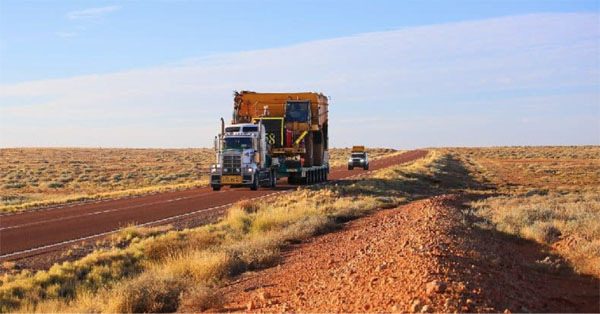
Speeding is dangerous in any vehicle, but the risk becomes much greater when a large truck is involved. Commercial trucks are heavier, longer, and harder to stop than passenger vehicles. When a truck driver travels too fast for the road, even a small mistake can lead to a serious crash involving multiple vehicles.
Road conditions can make speeding even more dangerous because drivers have less control and less time to react. Wet pavement, curves, hills, construction zones, and heavy traffic can all increase the chances of a devastating collision. When a crash involves a speeding truck, victims may turn to Seattle Injury Law for help understanding how road conditions, driver behavior, and evidence may affect a claim.
Trucks Need More Time and Space to Stop
Large trucks require more stopping distance than smaller vehicles, especially when they are fully loaded. The faster a truck is moving, the more distance it needs to slow down or stop. If the road is wet, uneven, or crowded, that stopping distance can become even longer.
When a truck driver speeds, they reduce the time available to notice stopped traffic, pedestrians, red lights, or sudden hazards. A passenger vehicle may be able to brake quickly, but a large truck may continue forward with enormous force. This is one reason rear-end truck crashes can cause severe injuries.
Wet Roads Reduce Tire Grip
Rain can make roads slick, especially during the first part of a storm when oil and dirt rise to the surface. For a speeding truck, reduced traction can make it harder to brake, steer, or stay in the correct lane. Even a skilled driver may struggle to control a heavy truck if speed and slick pavement combine.
Wet roads also increase the risk of hydroplaning, especially when water builds up in low areas or worn tire tracks. If a truck loses contact with the road surface, the driver may not be able to correct the vehicle in time. At high speeds, this can lead to jackknifing, lane departures, or crashes involving nearby vehicles.
Curves and Ramps Can Become More Dangerous
Curves, highway ramps, and tight turns require drivers to slow down and maintain control. A truck that enters a curve too fast may shift weight suddenly, causing the trailer to sway or tip. The higher the speed, the harder it becomes to keep the truck stable.
This is especially dangerous on ramps or roads with sharp bends. A truck may drift into another lane, roll over, or strike vehicles beside it. Drivers are expected to adjust their speed for the shape of the road, not just the posted speed limit. Ignoring that duty can put everyone nearby at risk.
Hills Can Affect Braking and Visibility
Seattle and surrounding areas include roads with hills, slopes, and changing elevations. A speeding truck traveling downhill can be especially dangerous because gravity adds force and makes braking more difficult. If the driver waits too long to slow down, the truck may gain speed quickly.
Hills can also affect visibility. Drivers may not see stopped traffic, a stalled vehicle, or a curve until they reach the top of a hill or begin descending. A truck traveling too fast may not have enough time to react. Safe truck driving requires anticipating these road features before they become emergencies.
Construction Zones Leave Less Room for Error
Construction zones can be difficult for any driver, but they are especially risky for large trucks traveling too fast. Lanes may narrow, barriers may sit close to traffic, and signs may require sudden changes in speed or direction. Workers, equipment, and uneven pavement can also create unexpected hazards.
A speeding truck has less room to adjust in these areas. If traffic slows suddenly or lanes shift, the driver may not be able to stop or steer safely. Crashes in construction zones can be severe because vehicles have fewer escape routes and less space between them.
Heavy Traffic Makes Speeding More Reckless
In heavy traffic, conditions can change from moving smoothly to sudden braking in seconds. A truck driver who speeds through congestion may not be able to respond when cars slow, merge, or stop. The size and weight of the truck can turn a simple traffic slowdown into a chain-reaction collision.
Speeding in traffic also increases the risk of unsafe lane changes. A truck driver may try to move around slower vehicles but misjudge the space available. Smaller cars can disappear in blind spots, and a fast-moving truck may sideswipe or crush a vehicle while attempting to merge.
Poor Road Maintenance Can Add to the Danger
Potholes, broken pavement, missing lane markings, debris, and uneven shoulders can all make truck travel more hazardous. A speeding truck may hit a rough patch and lose stability, especially if the driver is already braking or changing lanes. The truck’s cargo may also shift, making control even harder.
Poor road maintenance does not excuse unsafe driving. Truck drivers must adjust their speed when conditions are not ideal. If the road is damaged or visibility is poor, slowing down may be necessary to protect everyone nearby. Driving too fast despite those conditions can show a dangerous lack of caution.
Evidence Can Show Why the Crash Happened
After a truck crash, evidence may help show whether the driver was traveling too fast for the conditions. Investigators may review skid marks, vehicle damage, traffic camera footage, dash camera video, electronic logging data, black box information, weather reports, and witness statements. These details can help explain how the crash unfolded.
Road conditions should also be carefully documented. Photos of standing water, construction signs, pavement damage, curves, hills, or traffic congestion may become important later. When evidence shows that a truck driver failed to slow down for dangerous conditions, it can help victims understand what caused the crash and why the harm could have been prevented.