Natural Oils for Hair Care: Benefits, Limitations & Myths
By Space Coast Daily // August 3, 2026
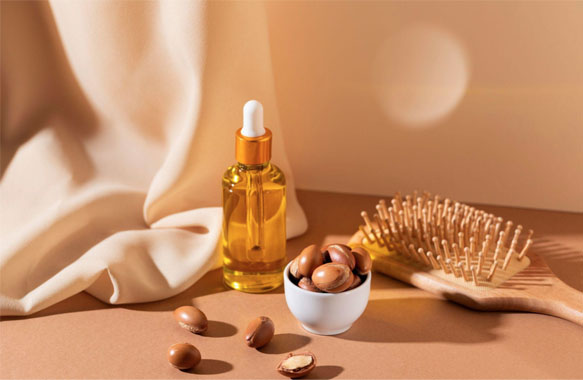
Walk into any pharmacy or scroll through any wellness page, and you’ll find rows of oils promising thicker, longer, shinier hair. Some of them have been used for centuries. Some are newer additions riding the natural beauty wave. But how much of what we believe about hair oiling is actually grounded in science — and how much is just passed-down habit? The answer sits somewhere in the middle, and understanding it can help you use oils more effectively.
What Hair Oils Actually Do
There’s a common misconception that oils feed or nourish hair the way food nourishes the body. Hair strands are made of dead keratin cells, so they can’t absorb nutrients the way living tissue does. What oils genuinely do is quite different — and still valuable.
Oils primarily work by:
• Reducing protein loss from the hair shaft during washing and styling
• Coating the cuticle to reduce friction and breakage
• Softening the scalp and helping with moisture retention
• Reducing hygral fatigue (the swelling and shrinking of hair when wet)
The key is that oils protect. They don’t rebuild. Understanding this distinction changes how you approach oiling as a practice.
Oils That Have Actual Evidence Behind Them
Not all oils are equal. A few have been studied more rigorously than others, and the results are worth knowing.
Coconut oil is the most researched. It’s a medium-chain fatty acid-rich oil that can partially penetrate the hair shaft — making it one of the rare oils that goes beyond surface coating. It reduces protein loss both before and after washing, which makes it effective as a pre-wash treatment.
Mineral oil and sunflower oil also show solid results in reducing protein loss, though they work mainly on the surface of the hair rather than penetrating it.
Then there’s castor oil for hair, which has a devoted following but a more complicated story. It’s rich in ricinoleic acid and has strong moisturizing properties. It can improve scalp health and reduce breakage from dryness. However, it’s very thick, which means using it incorrectly — too much, too often, or without proper washing — can actually clog follicles and cause buildup. When used in small amounts with a proper rinse routine, it does have real benefits.
Why Oils Alone Won’t Fix Hair Loss
Here’s where a lot of people get stuck. They try oil after oil, massage diligently, and still see hair thinning or shedding continue. The frustration is real, but the gap is in the understanding.
Hair loss — particularly androgenetic alopecia, diffuse thinning, or stress-related shedding — originates at the root level, often driven by hormonal shifts, nutritional deficiencies, or systemic imbalances. No topical oil can address DHT sensitivity, low ferritin levels, or thyroid dysfunction. These require internal intervention.
Oils can create a healthier environment at the scalp surface. They can’t change what’s happening at the follicle’s biological level. Expecting them to reverse active hair loss is the most common — and most expensive — mistake people make.
Common Myths That Need to Be Retired
A few beliefs about hair oiling have persisted despite not holding up well under scrutiny.
• Overnight oiling is always better: Leaving oil on too long can cause hygral fatigue, especially if your hair is naturally porous. 30 minutes to 2 hours before washing is usually sufficient.
• More oil means more benefit: Excess oil leads to scalp buildup, which can actually block follicles and increase shedding.
• Scalp massage with oil grows hair: Massage improves blood circulation and is genuinely useful. The oil itself is not the growth agent.
• Any oil works for any hair type: Fine hair can get weighed down by heavy oils like castor or coconut. Lighter oils like argan or jojoba are often better for low-density hair.
How to Build a Smarter Oiling Practice
If you want to use oils as part of a hair care routine, the approach matters more than the product choice.
• Use oil as a pre-wash treatment, not a leave-in (unless the oil is specifically formulated for that)
• Warm the oil slightly to help it spread more evenly
• Focus on the scalp and mid-lengths, not just the ends
• Always follow with a gentle, sulphate-free shampoo to remove buildup
• Keep frequency to 1–2 times a week for most hair types
Brands like Traya take a more integrated approach to hair health, combining topical care with internal diagnostics to understand what’s actually causing the problem rather than just addressing surface symptoms.
Final Thoughts
Natural oils have a real and legitimate place in hair care — but it’s a supporting role, not a starring one. They protect, condition, and improve the feel and manageability of hair. What they can’t do is reverse the biological causes of hair loss on their own. The smarter approach is to understand what your hair actually needs, address the root cause whether it’s nutritional, hormonal, or structural, and let oils do what they genuinely do well. That shift in thinking alone can save you months of trying the wrong solutions.