
Space Coast Businesses Went Digital Fast. Did Security Keep Up?
By Space Coast Daily // August 26, 2026
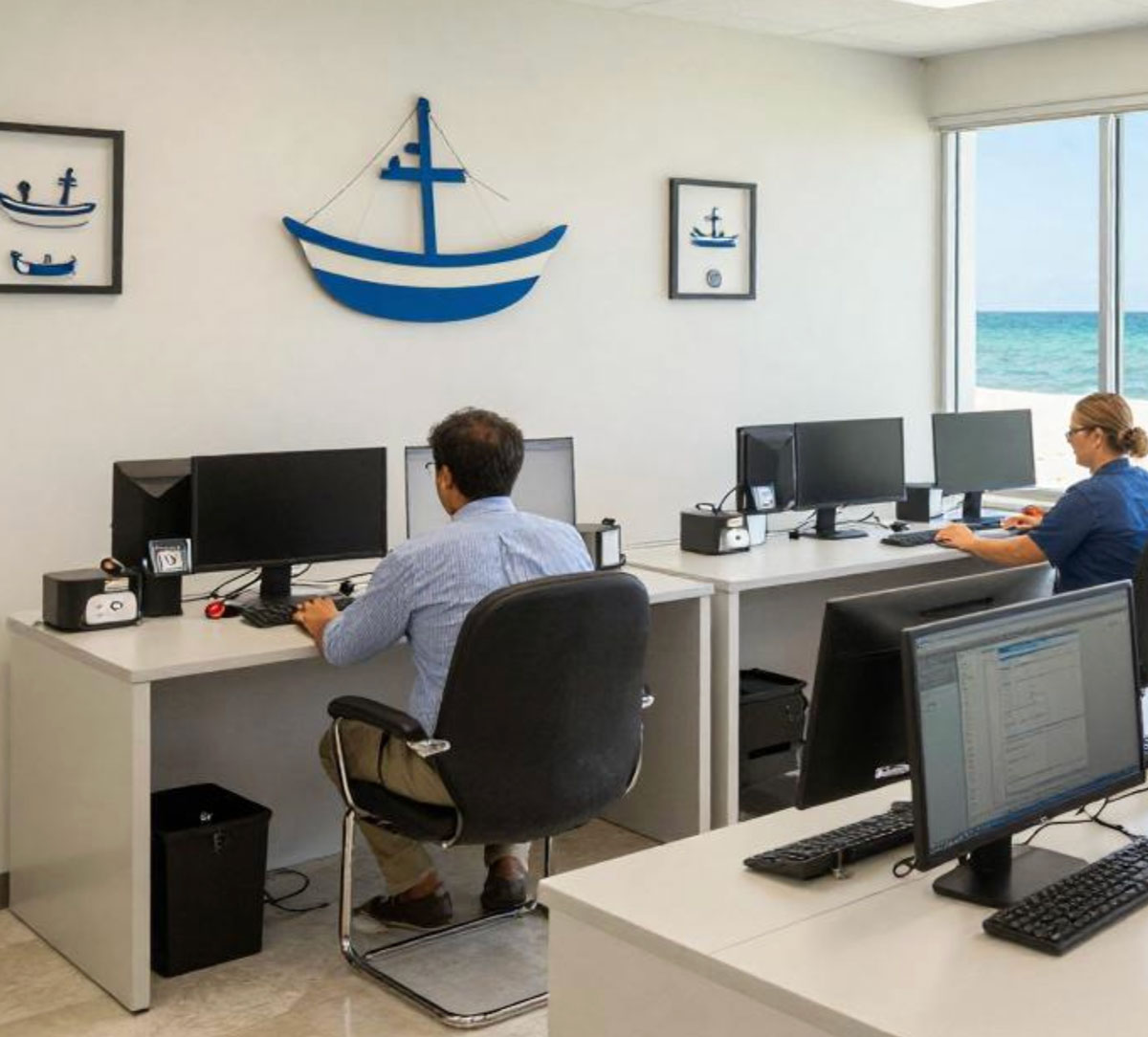 The Space Coast has always been defined by innovation. From the early launches at Cape Canaveral to the aerospace and tech corridor running from Titusville down through Melbourne, this stretch of Florida has never been reluctant about the future. But as more local businesses digitise their operations, moving from paper files to cloud systems, from countertop terminals to mobile payments, from in-person only to hybrid, a quieter question has come with it.
How secure is your business network?
Coastal offices, seasonal staff and remote access all widen the same set of gaps.
The Digital Shift Nobody Planned
If you run a business here, a surf shop in Cocoa Beach, a restaurant in downtown Melbourne, a real estate office in Viera, or a startup near the research park, your operations almost certainly look different from five years ago. Online ordering, digital invoicing, remote management, cloud inventory. None of it is futuristic anymore. It is just Tuesday.
What came with it is a set of entry points that did not exist before. Every new device, every cloud login, every remote connection widens the surface someone could reach through, and most of that expansion happened one convenient decision at a time rather than as a plan anyone reviewed.
Guidance from the Cybersecurity and Infrastructure Security Agency makes the point that smaller businesses are frequently targeted precisely because they lack the dedicated IT resources larger operations take for granted. In a region running everything from beachfront retail to aerospace subcontracting, that covers a wide spread of exposure.
The Local Version of the Problem
Here is a scene that plays out along the coast constantly. An owner checks inventory from a phone over lunch at a beachside cafe. An agent pulls up client documents on a tablet between showings using coffee shop Wi-Fi. A restaurant manager logs into the POS vendor portal from home to review nightly totals.
Each of those moves business data across a network that is public, shared, or otherwise outside anyone’s control. It is worth being accurate about the risk rather than alarming: most traffic today is encrypted, so the contents are usually not simply readable. What remains visible is which services a device reached and when, and the bigger practical danger is a network set up to look legitimate that your phone joins without asking.
This is why more local operators are looking at a vpn for business as an affordable way to close that gap without hiring an IT department.
What It Means for a Business Here Specifically
1. Seasonal turnover: a tourism economy means hiring spikes and departures. Central access management lets you grant and revoke connections as staff rotate, rather than discovering an old login still works in November.
2. Multiple locations: if you run rental properties, vacation homes or several sites along the coast, connections between them stay protected rather than depending on whatever router is at each one.
3. Vendor access: web designers, bookkeepers and POS technicians often need temporary access. Scoped, time-limited connections are considerably better than sharing a password and forgetting about it.
4. Storm season: during hurricane season, when offices may be unreachable and staff are working from wherever they evacuated to, protection travels with the team rather than living in the building.
That last point is worth dwelling on, because it is the one most specific to this coast. Continuity planning here tends to focus on generators and shutters. The digital half of it, being able to operate securely from a relative’s house in Orlando for a week, gets far less attention and costs almost nothing to arrange in advance.
It Does Not Have to Be Complicated
The main misconception is that this is complex, expensive and needs expertise. That was truer a decade ago. Business tools now run from a dashboard where you manage the team, see active connections and set policy in minutes.
1. Current encryption: AES-256 or WireGuard.
2. A no-logs policy verified by independent audit, not just claimed.
3. User management you can operate yourself, without calling anyone.
4. Every platform your team uses: Windows, macOS, iOS, Android.
5. Support that answers, because downtime in peak season is not a scheduling inconvenience.
What It Will Not Fix
Being straight about this matters, because a business that thinks it is covered will skip the things that matter more. Protection at the network layer does nothing about a reused password, a convincing email asking you to update bank details for a supplier, or a terminal running software that has not been updated in two years.
Payment fraud through persuasion costs small businesses far more than network interception does. Unique passwords, two-factor authentication on anything financial, and a habit of verifying payment changes by phone will do more for you than any single tool. This is one layer, and it is a cheap one, but it is not the whole job.
Protecting More Than Data
For a business here, this is finally about reputation. In a community where word travels quickly, an incident involving customer payment details damages relationships that took years to build, and the recovery is slower than the technical cleanup.
As the region keeps growing, the businesses that do well will be the ones pairing innovation with a bit of care. You do not need to be a rocket scientist to secure a network, though given where we live, thinking like one is not the worst instinct.














