The Evolution of SpaceX’s Starlink: From V3 Satellites in Orbit to Ultra-Portable Terminals on Earth
By Space Coast Daily // August 25, 2026
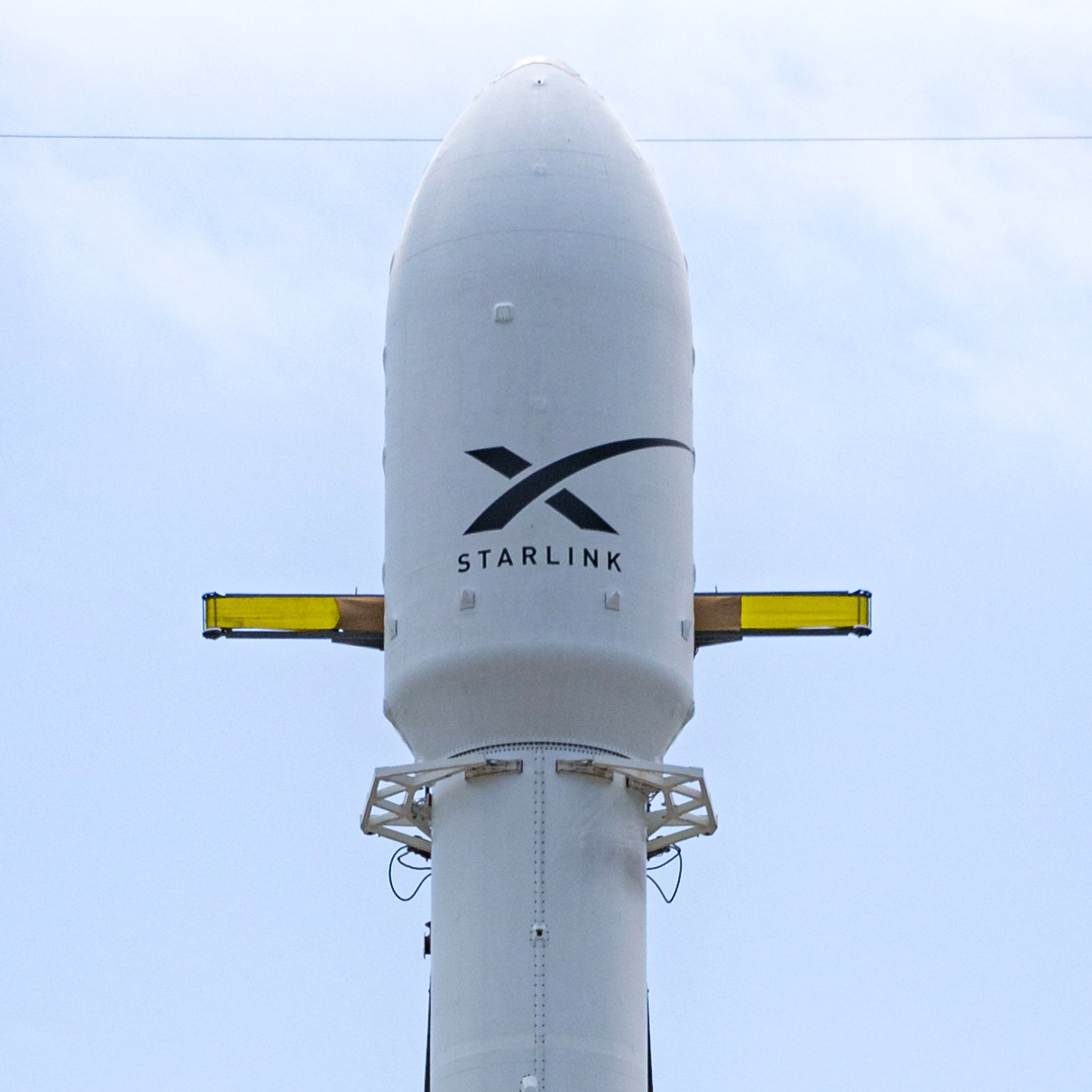
On July 24, 2026, SpaceX marked a historic milestone with the successful launch of Starship Flight 13 from Starbase, Texas. Beyond providing critical heatshield and splashdown data, this highly anticipated test flight officially deployed the first batch of 20 next-generation Starlink V3 satellites into low-Earth orbit.
This deployment signals a massive leap forward for the Starlink constellation. The V3 satellites are larger, significantly more powerful, and feature advanced laser communications—a technology so robust that NASA recently selected SpaceX’s Starlink network to deliver 4K Artemis III imagery from the Orion spacecraft back to Earth. But while the infrastructure in space is growing larger and increasingly complex, the hardware back on the ground is moving in the exact opposite direction: it’s getting remarkably small.
The true evolution of the Starlink network lies in its everyday accessibility. As the orbital constellation gains unprecedented capacity, consumer ground terminals are becoming ultra-portable. The highly popular Starlink Mini is a testament to this shift, offering high-speed, low-latency internet in a compact form factor small enough to slide into a standard backpack.
For residents of Florida’s Space Coast, digital nomads, and off-road enthusiasts, this hardware evolution completely changes the game. You no longer need a bulky, stationary setup to stay online. Whether you are tracking the upcoming August 10 Falcon 9 launch from a remote stretch of Canaveral National Seashore or taking an RV deep into the wilderness, enterprise-grade connectivity now travels directly with you. Furthermore, in regions prone to severe weather and grid disruptions—a reality for many Floridians during hurricane season—having a portable satellite connection is rapidly transitioning from a luxury to an essential lifeline.
However, taking full advantage of this untethered freedom requires more than just the dish itself. Because the Starlink Mini is engineered for ultimate mobility, securely mounting and powering the device in rugged, off-grid environments is paramount.
This is where specialized aftermarket hardware becomes essential. Mobile users frequently need to adapt their terminals for moving vehicles, boats, or remote campsites. For instance, utilizing a heavy-duty magnetic roof mount with a 560-lb grip ensures your Mini stays locked onto your vehicle without drilling, even at highway speeds. Similarly, swapping standard cords for 30V boost DC power cables, or protecting the dish with a precision-cut waterproof hard case—like the specialized gear developed by Parts4Star—guarantees your equipment survives harsh outdoor conditions and off-grid power constraints.
As SpaceX maintains its aggressive launch cadence to populate the V3 network, the barrier between deep-space infrastructure and everyday consumer convenience is rapidly vanishing. With next-generation satellites overhead and ruggedized, portable Minis on the ground, the future of global connectivity is officially mobile.