What Makes a Great Slot Game Design?
By Space Coast Daily // August 11, 2026
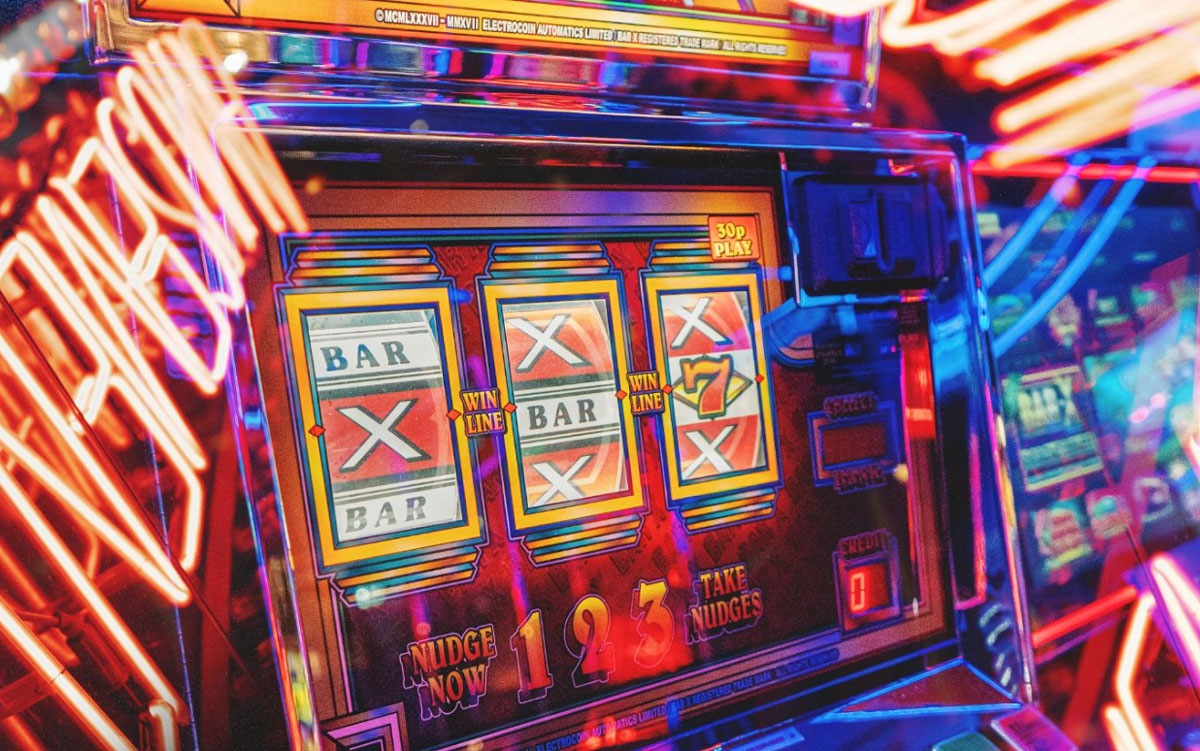
Two slots can run on nearly identical math, similar RTP, similar volatility, and still feel worlds apart the moment you actually play them. That gap comes down to design, not statistics. Scroll through best online pokies and the difference becomes obvious fast: some titles feel considered from the first spin, and others feel like a spreadsheet with graphics bolted on.
That gap is worth understanding properly, because it explains a pattern most regular players have noticed without necessarily being able to name: why some games get revisited for months while others, despite similar odds and similar themes, get tried once and forgotten.
The Ingredients That Actually Make Up a Slot
Strip a slot down to its components and there are really only a handful of levers a designer has to work with. What separates a great game from a forgettable one is how well those pieces work together, not how many of them are stacked on top of each other. Browsing a library like Vega Stars’ makes this pattern easy to spot, since titles from different studios sitting side by side highlight just how differently those same basic ingredients can be assembled.
| Element | What It Contributes to the Experience |
| Visuals and theme | Sets the emotional tone before a single spin happens |
| Sound design | Reinforces wins, builds anticipation during near misses |
| Core mechanic | Determines pacing, whether a spin feels fast or deliberate |
| Bonus features | Breaks up repetition, gives the base game a destination |
| Volatility | Shapes how wins are distributed across a session |
Why Sound and Visuals Aren’t Just Decoration
It’s tempting to treat theme and audio as surface-level polish, but peer-reviewed research published in the Journal of Gambling Studies identifies the theme of a game, its color and lighting choices, and its sound effects as genuine structural characteristics, the same category as mathematical features like payout frequency and event speed, that shape how a game actually gets played. None of these elements exist in isolation from the mechanics. A tumbling-reel slot with flat, muted sound design loses most of the payoff a cascading win is supposed to deliver, regardless of how well the math behind it is tuned.
This is also why theme and mechanic mismatches tend to fall flat even when both pieces are individually well made. A slow, atmospheric horror theme paired with a frantic, rapid-fire bonus mechanic creates a kind of tonal whiplash that players notice even if they can’t articulate exactly why the game feels off. The best-received titles tend to have every layer, visuals, sound, pacing, and mechanic, pulling in the same emotional direction.
What This Looks Like Side by Side
A real-world example makes the difference concrete. Picture two five-reel slots with the same 96% RTP and similar volatility. One uses generic stock sound effects and a static background. The other builds its audio around the specific rhythm of its bonus round, with music that shifts noticeably once a free spins feature triggers. Statistically, the games are nearly identical. Sitting down to actually play them feels completely different, because one was designed as a full sensory experience and the other was assembled around a math model with art added afterward.
Responsible Gambling Notice
Keeping track of session length and spend matters just as much on a beautifully designed slot as a plain one, since good design makes a session more absorbing, not less. Responsible gambling helps you mitigate the negative effects, and allows for a more sustainable, long-term relationship with your favorite games.
Core Mechanics: The Engine Underneath the Theme
Mechanics are the part of a slot that decides how a spin actually resolves, and they matter more than almost anything else on this list, since visuals and sound are ultimately built to serve whatever mechanic sits underneath them. A fixed-payline slot pays out on specific symbol combinations across set lines, which is the oldest and simplest structure still in wide use. Ways-to-win systems drop the fixed lines entirely, paying for matching symbols in adjacent reels regardless of exact position, which usually means more frequent smaller wins. Megaways-style mechanics take that a step further, changing how many symbols appear on each reel every single spin, so the number of ways to win shifts constantly rather than staying fixed.
Cascading or tumbling reels add another layer on top of any of these structures. Instead of clearing the board after a win and dealing a fresh set of symbols, winning symbols disappear and new ones fall in to replace them, letting a single spin chain into several consecutive wins without a new bet. Hit frequency, how often a spin produces any win at all, interacts with all of this directly. A mechanic built around frequent small wins feels very different in the hand than one designed around rare, larger payouts, even when the two share an identical theoretical RTP. Choosing a mechanic is really choosing a pacing profile for the entire game, and everything else, sound, visuals, bonus structure, gets built around that choice rather than the other way around.
Bonus Features: Why the Base Game Needs a Destination
A base game on its own, spin after spin of the same reel mechanic, tends to flatten out after a while no matter how well it’s built. Bonus features exist to interrupt that flatness with something structurally different, which is why the best-designed ones change the rules of play rather than simply paying out faster.
Free spins rounds are the most familiar version, often adding multipliers, extra wilds, or an expanded reel set that isn’t available in the base game. Pick-and-click bonuses swap the reels out entirely for a short, more deliberate sequence with a set number of choices, giving players a brief change of pace rather than more of the same. Buy-a-bonus features, where a player pays a multiple of their stake to trigger a bonus round immediately, have become common specifically because they let a player skip straight to the part of the game the mechanics were really built around. Progressive or persistent bonus elements, features that build up value across multiple spins before paying out, add a longer arc to a session that a single, isolated bonus round can’t replicate on its own.
What separates a well-designed bonus feature from a weak one usually comes down to whether it actually changes the underlying mechanic during the bonus, rather than just multiplying the same base game math by a bigger number. A free spins round that simply repeats the base game with a flat multiplier attached is a much thinner design than one that swaps in new symbols, new win conditions, or a genuinely different pace.
What a Sound Designer Says Is Actually Happening
Philip Bennett, a researcher who studies slot machine audio, laid out the mechanism directly in an essay covered by CDC Gaming’s commentary on casino sound design: specific sound cues trigger dopamine release in a way that “reinforces the players’ intrinsic motivation to continue playing”. That’s a useful way to think about why sound design carries real weight in slot development, not just as a finishing touch but as a mechanism that shapes how a session actually feels from the first spin to the last.
What Separates Considered Design From the Rest
Strip away theme and branding, and a handful of practical traits tend to define slots that hold up over repeated play:
• A bonus round that changes the base game meaningfully, not just a faster version of it
• Sound design built around the game’s specific mechanics, not generic stock effects
• A pace that matches the theme, frantic for high-energy titles, slower for atmospheric ones
• Volatility that’s honestly represented, rather than marketed as something it isn’t
Part of a Broader Design Conversation
Slot design doesn’t sit still. New tools and techniques keep changing what’s technically possible, which shifts what counts as well-designed from one year to the next.
Space Coast Daily’s broader coverage of local business and technology reflects a similar pattern already underway across many industries: developers using better tools and faster feedback loops earlier in a project, rather than relying purely on instinct and post-launch data. That shift is changing how quickly good design ideas reach players, though it doesn’t remove the basic craft question of whether a game’s various elements, visuals, sound, mechanics, and bonus rounds, actually work together.
Design That Doesn’t Announce Itself
The best slot design is often the kind players don’t consciously notice while they’re playing, only afterward, when they realise they’ve been at a specific game far longer than they expected to be, or when they keep coming back to one title over dozens of similar options. Visuals, mechanics, sound, and bonus features aren’t separate boxes to tick. They’re a single experience, and the games that actually get it right treat them that way from the very first design meeting rather than bolting them together at the end.
That’s the real test worth applying next time you’re scrolling through a library like Vega Stars deciding what to play. Not which title has the flashiest thumbnail, but which one feels like every piece was built to support the same idea, rather than a handful of features stitched together because they tested well individually.