How to Choose a Car Accident Lawyer for Your Case
By Space Coast Daily // September 22, 2026
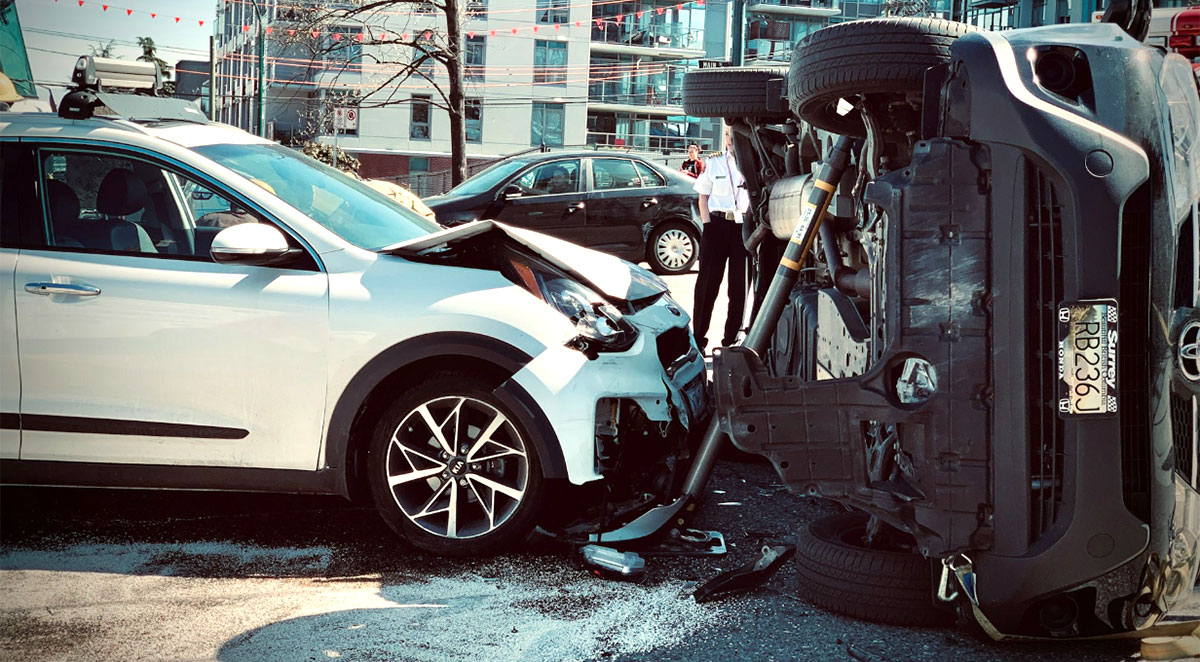
A car accident can turn your life upside down in seconds. Along with injuries, vehicle damage, and missed work, you may be dealing with insurance adjusters who want to settle quickly and cheaply. The right car accident lawyer can take that pressure off you and help you pursue the compensation you deserve. The wrong one can leave you with a smaller settlement, poor communication, and more stress than you started with.
This guide walks you through how to choose a car accident lawyer who fits your case, your needs, and your budget.
Why the Right Lawyer Matters
Not every personal injury attorney is the same. Some mainly handle medical malpractice or workplace injuries. Others settle nearly every case quickly and rarely go to court. Your choice of lawyer can affect:
• The value of your settlement. Experienced lawyers know how to document medical costs, lost wages, future care, and pain and suffering.
• How insurers treat your claim. Insurance companies often take claims more seriously when the victim’s lawyer has a record of winning at trial.
• Your stress level. A good lawyer handles paperwork, deadlines, and negotiations so you can focus on recovery.
Step 1: Look for Car Accident Experience Specifically
Start by finding lawyers who handle car accident cases regularly, not just “personal injury” in general. Car accident claims involve specific issues such as fault rules, insurance policy limits, accident reconstruction, and medical evidence.
When reviewing a lawyer’s website or speaking with them, look for:
• A clear focus on motor vehicle accidents
• Experience with cases similar to yours (rear-end collisions, truck accidents, rideshare crashes, hit-and-runs, uninsured drivers)
• Familiarity with the courts and insurance practices in your state
If your case has unusual features, such as a commercial truck, a government vehicle, or a defective car part, look for a lawyer with experience in that area.
Step 2: Check Their Track Record
Past results do not guarantee future outcomes, but they show whether a lawyer can deliver. Ask about:
• Settlements and verdicts in car accident cases
• Trial experience. Many cases settle, but a lawyer who is prepared to go to trial usually has more leverage in negotiations.
• Cases like yours. A lawyer who has handled serious injury cases will understand how to value long-term damages.
Be cautious of lawyers who make big promises about how much your case is worth before reviewing the details.
Step 3: Read Reviews and Check Credentials
Online reviews and professional records can reveal a lot. Check:
• Client reviews on Google, Avvo, and similar platforms. Look for patterns in comments about communication, honesty, and results.
• Your state bar association. Confirm the lawyer is licensed and check whether they have any disciplinary history.
• Peer recognition. Memberships in trial lawyer associations or professional ratings can be a helpful signal, though they should not be your only factor.
Pay attention to how the lawyer responds to negative reviews. A professional, respectful response is a good sign.
Step 4: Understand How They Charge
Most car accident lawyers work on a contingency fee basis. This means you pay nothing upfront, and the lawyer takes a percentage of your settlement or court award only if you win.
Before signing, make sure you understand:
• The percentage. Contingency fees commonly fall around one-third of the recovery, and some lawyers charge more if the case goes to trial.
• Case costs. Filing fees, expert witnesses, medical records, and accident reconstruction can add up. Ask whether these are deducted before or after the lawyer’s fee is calculated, since that affects how much you take home.
• What happens if you lose. Some firms waive costs if you do not recover anything, while others may still expect reimbursement.
Always get the fee agreement in writing and read it carefully.
Step 5: Schedule Free Consultations
Most car accident lawyers offer free initial consultations. Use them to meet two or three lawyers before deciding. This lets you compare their knowledge, approach, and personality.
Bring any documents you have, such as:
• The police report
• Photos of the accident scene and your injuries
• Medical records and bills
• Insurance correspondence
• Witness contact information
Step 6: Ask the Right Questions
A consultation is your chance to interview the lawyer. Useful questions include:
1. How many car accident cases have you handled?
2. What percentage of your cases settle, and how many go to trial?
3. Who will actually work on my case, you or another attorney or paralegal?
4. How often will I receive updates, and how can I reach you?
5. What do you see as the strengths and weaknesses of my case?
6. How long do you expect my case to take?
7. What is your fee, and what costs will I be responsible for?
Listen to how they answer. A good lawyer will be honest about challenges instead of only telling you what you want to hear.
Step 7: Evaluate Communication and Comfort
Your case may take months or even years, so you need a lawyer you can trust and talk to easily. During your first meeting, notice:
• Did they listen carefully to your story?
• Did they explain legal terms in plain language?
• Did they return your call or email promptly?
• Did you feel rushed or pressured?
Poor communication is one of the most common complaints clients have about lawyers. If a firm is hard to reach before you hire them, it is unlikely to improve afterward.
Step 8: Consider Firm Size and Resources
Both large and small firms can serve you well, but they offer different experiences.
• Larger firms may have more resources for expert witnesses, investigators, and long trials, which matters in serious injury cases.
• Smaller firms often provide more personal attention and direct access to the attorney.
The best choice depends on the complexity of your case and how involved you want to be.
Red Flags to Watch Out For
Be cautious if a lawyer:
• Contacts you uninvited shortly after your accident (often called “ambulance chasing,” which is restricted by professional conduct rules in many places)
• Guarantees a specific settlement amount
• Pressures you to sign a contract on the spot
• Is vague about fees or costs
• Has little or no experience with car accident cases
• Rarely returns calls or passes you off to staff without explanation
Don’t Wait Too Long
Every state sets a statute of limitations, a legal deadline for filing a car accident lawsuit. If you miss it, you may lose your right to compensation entirely. Evidence can also disappear quickly: skid marks fade, surveillance footage gets deleted, and witnesses forget details. Contacting a lawyer early gives them the best chance to build a strong case.
Final Thoughts
Choosing a car accident lawyer is one of the most important decisions you will make after a crash. Focus on relevant experience, a solid track record, transparent fees, and clear communication. Take advantage of free consultations, ask direct questions, and trust your instincts about who will genuinely fight for you.
The right lawyer will not only help you seek fair compensation but also give you peace of mind while you focus on healing.
This article is for general informational purposes only and does not constitute legal advice. For advice about your specific situation, consult a licensed attorney in your state.