
Where Launch-Day Tourist Dollars Go in Cocoa Beach
By Marcus T. | Local business reporter, 6 years covering Space Coast tourism and hospitality // September 10, 2026
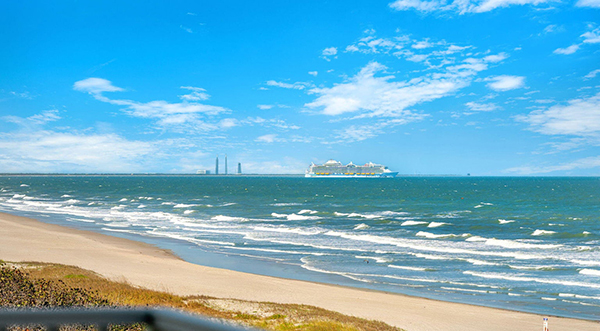
NASA Launch-Day Crowds Are Big Business for Cocoa Beach: Where the Tourist Dollars Really Go
At 6:40 a.m. On a launch morning, the parking lot at a Cocoa Beach hotel is already full. Not the launch itself. The parking lot. By the time SpaceX’s countdown clock hits T-minus 20 minutes, every balcony facing east on A1A has someone on it holding a phone, a coffee, or both.
That scene repeats itself dozens of times a year now, and it’s worth more to Brevard County than most locals realize. A single Artemis II departure was projected to bring a $160 million impact to Florida’s Space Coast, spread across hotels, restaurants, retail, and transportation. Falcon 9 launches from Cape Canaveral don’t carry that same headline number individually, but stack enough of them together (and SLC-40 has been running close to weekly this year) and the annual total dwarfs it.
So where does the money actually land? Not evenly, and not always where you’d guess.
Hotels Fill First, But Not the Way You’d Think
Room rates in Cocoa Beach spike two to three days before a confirmed launch window, not the night before. Visitors have learned the hard way that scrubs happen, so they book a buffer. A hotel manager on Ridgewood Avenue told a reporter last year that Artemis-adjacent bookings ran 40% above baseline for the entire week surrounding the launch, not just launch day itself.
That buffer is where the real spending shows up. A family that planned for one night ends up staying three because the first attempt got scrubbed on a fuel leak. NBC News has documented how Space Coast businesses get a direct financial lift from exactly this kind of extended-stay pattern, and it hasn’t changed much in the twenty years since that reporting, just the rockets have gotten bigger.
Charter boat operators out of Port Canaveral see something similar. A two-hour viewing charter that normally runs $75 a head jumps to $150 during launch week, and captains book out solid. One operator running trips near SLC-40 says he turns away more people than he takes during a confirmed Falcon 9 window.
The Scrub Problem: What Happens When the Rocket Doesn’t Go
Here’s the part that doesn’t get covered enough. Scrubs are common. Weather, range safety, a stuck valve, whatever the reason, a scrub means a hotel full of people who planned their whole trip around a 90-second window that just evaporated.
That’s dead time. And dead time still needs filling.
Beachfront bars are the first beneficiary. Someone who drove up from Orlando for a 7 a.m. Launch and got a scrub notice at 6:52 isn’t driving home. They’re getting a beer and waiting for the next attempt, which might be 48 hours out. Titusville and Cocoa Beach restaurants have started planning their hours around exactly this pattern, opening earlier and staying flexible because nobody actually knows when liftoff happens until it happens.
But bars close. Boardwalks close. And a lot of visitors are stuck in a hotel room for a full extra day with nothing booked and nowhere to be until the next scheduled window opens.
That’s where the gap shows up. Plenty of these visitors are traveling from states where their usual sports betting app doesn’t work, or from countries where it never worked in the first place. International tourists flying in specifically for a launch, and there are more of them every year given how much Artemis and Starship coverage circulates globally, often don’t have access to a licensed U.S. Sportsbook account at all. Some of that downtime money quietly finds its way to offshore casinos on a phone screen instead of a poker table at the hotel bar, simply because it’s the thing that’s actually available to them at 9 p.m. On a Tuesday with nothing else open.
It’s a small slice of the overall spend, but it’s a real one, and it says something about how launch tourism creates hours of dead time that local businesses don’t always capture.
Gambling involves risk. Please play responsibly and only wager what you can afford to lose. If you feel gambling is becoming a problem, visit BeGambleAware.org or call 1-800-GAMBLER.
Retail Catches the Overflow
T-shirt shops along A1A do their best business in the 48 hours after a launch, not before. Nobody wants a shirt commemorating a rocket that hasn’t gone up yet. Merchandise tied to a specific mission (mission patches, launch-date shirts, commemorative pins) sells almost entirely in that post-launch window when the outcome is locked in and confirmed.
National coverage of the Artemis II crowds noted shops stocking up specifically on mission-branded gear ahead of confirmed windows, betting (correctly, mostly) that the crowd would show up ready to spend once the countdown actually held. One Cocoa Beach shop owner said her post-launch sales day outperforms her entire week around a typical holiday weekend.
Grocery stores near the hotel corridor see a smaller but steady bump too. Visitors staying an extra day because of a scrub still need sunscreen, still need snacks, still need ice for the cooler. It’s not glamorous money, but it adds up across a few hundred delayed departures.
Who Actually Captures the Spend, and Who Doesn’t
Not every business benefits equally, and that’s worth being honest about. Big beachfront hotel chains capture the lion’s share of launch tourism dollars because they can flex pricing and they have the room inventory to absorb last-minute bookings. Smaller independent motels further inland barely see a ripple.
Local TV reporting on the Artemis II surge put the visible crowd size in the hundreds of thousands for a single major mission, and that scale only benefits businesses positioned to actually serve that volume: parking lot operators, viewing-site vendors, chain restaurants with the staff to handle a surge.
A mom-and-pop diner three miles off the beach corridor might not see a single extra customer from a launch that draws 200,000 people six miles away. Geography matters as much as timing here.
What This Means Heading Into the Next Launch Window
With O3b mPOWER satellites scheduled to fly from Cape Canaveral later this month, and the Space Coast’s hurricane season still active into October, the same pattern is about to play out again. Weather delays. Scrubs. Extended hotel stays. A crowd with money to spend and, sometimes, more waiting around than they planned for.
Cocoa Beach businesses that plan around the scrub, not just the launch, tend to be the ones that actually see the full dollar figure. The ones that only prep for launch morning leave money sitting in hotel rooms two days later.
FAQ
How much money does a single NASA launch bring to the Space Coast? Estimates vary by mission size, but a major launch like Artemis II has been projected at roughly $160 million in regional economic impact, covering hotels, dining, retail, and transportation across Brevard County.
Why do hotel bookings spike days before a launch instead of the night before? Visitors have learned that scrubs are common, so they build in a buffer of two to three extra nights to cover a delayed attempt. That buffer, not the single launch night, is where a lot of the real spending happens.
Do launch scrubs actually hurt local businesses? Not always. A scrub often extends a visitor’s stay by a day or more, which can mean extra hotel nights, meals, and retail purchases, though it depends heavily on how flexible a business’s hours and staffing are.
Which Cocoa Beach businesses benefit most from launch tourism? Large beachfront hotels, charter boat operators near Port Canaveral, and retail shops selling mission-branded merchandise tend to capture the most. Smaller inland businesses often see little to no bump.
Are international tourists a growing part of launch-day crowds? Yes. Global interest in Artemis and commercial launches has pulled in more international visitors, some of whom face limited access to certain U.S. Services during their stay, which shapes how they spend downtime between launch attempts.
The next confirmed window will bring another wave of cars onto A1A before sunrise, another full parking lot, and another round of hotel buffers built around the chance of a scrub. That’s the real economy of a launch day: less about the ninety seconds of liftoff, more about everything Cocoa Beach does with the two or three days around it.















